- Insights This article was written by a TIA community member. Insights pieces undergo the same rigorous editorial process that newsroom-produced articles have.
 Jaclyn Tiu · · 5 min read
OBike’s exit from Singapore signals problems for bike-sharing
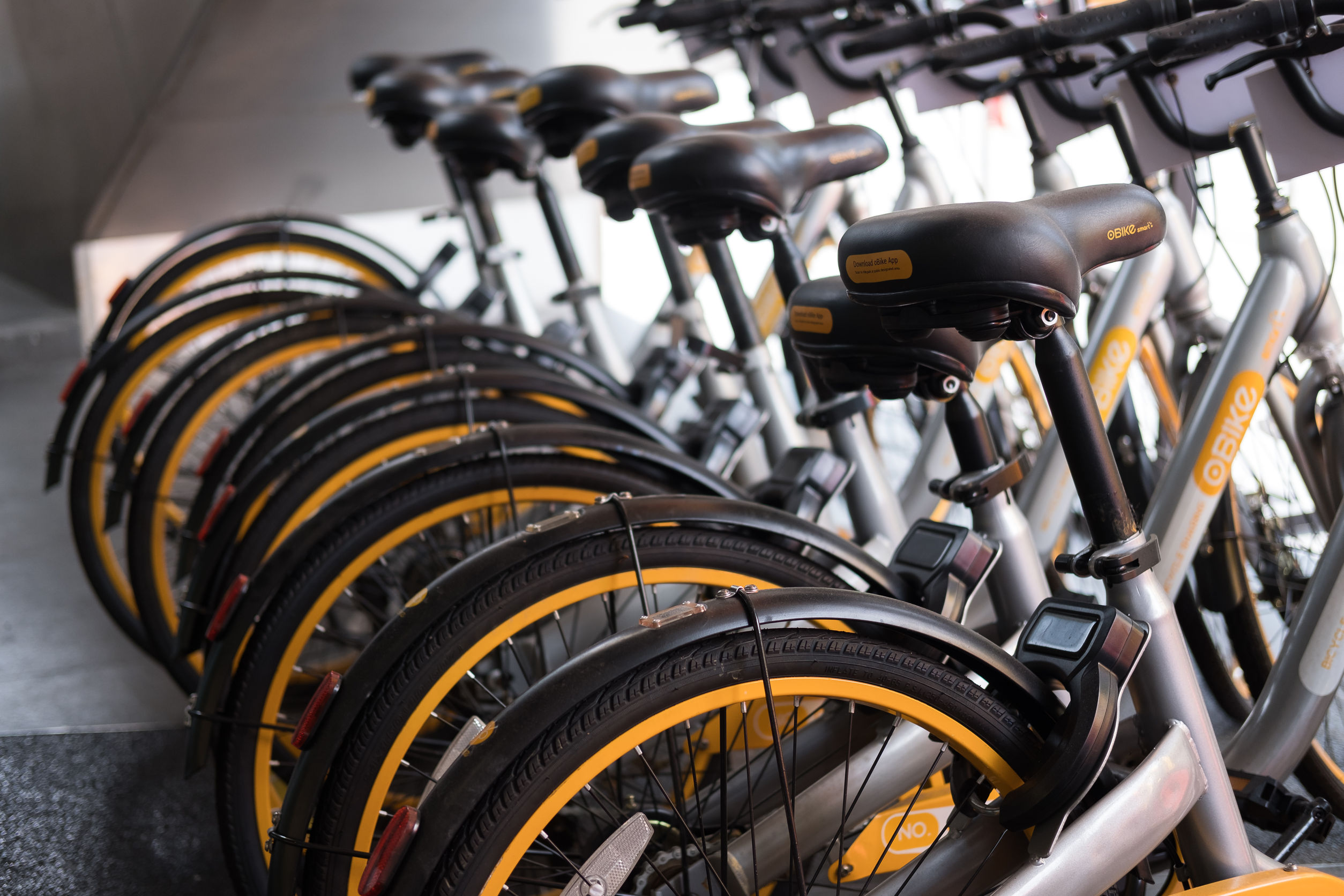
Photo credit: structuresxx / 123RF Stock Photo
This is a Discuss post, where we feature short but insightful opinions from the Asian tech community on startup, entrepreneurship, and tech topics. Got a topic or question to suggest? Drop us an email or leave a comment.
OBike took headlines by storm when it announced its exit from Singapore on Monday, roughly two weeks after the announcement that they were stopping their Melbourne operations. It cited the city-state’s new regulations as the reason behind the exit, though recently there have been reports of a cash crunch.
So why did oBike exit? Is there a bigger issue underlying the bike-sharing business? We asked three experts for their thoughts.
Editor’s note: Answers have been edited for clarity.

Thomas Luk, management consultant and China expert
The new regulations are not surprising. Every major mobility player was involved in the discussions with the regulating authorities. Therefore, oBike exiting Singapore is a conscious choice.
This reflects quite badly on oBike and does not increase its chances to attract further funding. The retreat from various markets (Singapore and Melbourne) without further expansion or innovation plans signals internal challenges. These challenges could be anything from strategy and execution problems to available and future funding. My guess is that the management needs to regroup and align on a clear strategy and path going forward.
From a customer standpoint, the new regulations significantly hurts the value proposition of bike-sharing companies. Therefore, I expect that the underlying economic model will become even more challenging due to dramatically reduced network utilization. This is relevant and challenging not only for individual players but the bike-sharing industry as a whole.
Nothing has changed in terms of what will make the model successful: either growing and selling out or trying to really make the model work. I stated very early on that the fundamental economics of bike-sharing and future regulations don’t make bike-sharing alone viable. I am a bit surprised that the required business innovations have still not been identified nor piloted.
It looks like many startups just placed a bet on being acquired. However, this ambition will only be realized by a select few.
Let’s discuss





Stay updated on the go with our mobile app.
Get latest insights with smoother, more personalized experience through TIA mobile app.