- Premium Content It takes our newsroom weeks - if not months - to investigate and produce stories for our premium content. You can’t find them anywhere else.
 Miguel Cordon · · 4 min read
From shopping to gaming: ShopBack sees over 30% growth in FY 2026
ShopBack may be most known for letting its customers earn cashback on their shopping, but the firm is increasingly leaning into other non-transactional use cases like allowing users to earn rewards by playing mobile games.
This feature, called ShopBack Play, marks the company’s entry into a “play-to-earn” ecosystem, the firm said in April. In Hong Kong, the feature has given back over HK$5 million (US$638,000) to users since its launch.
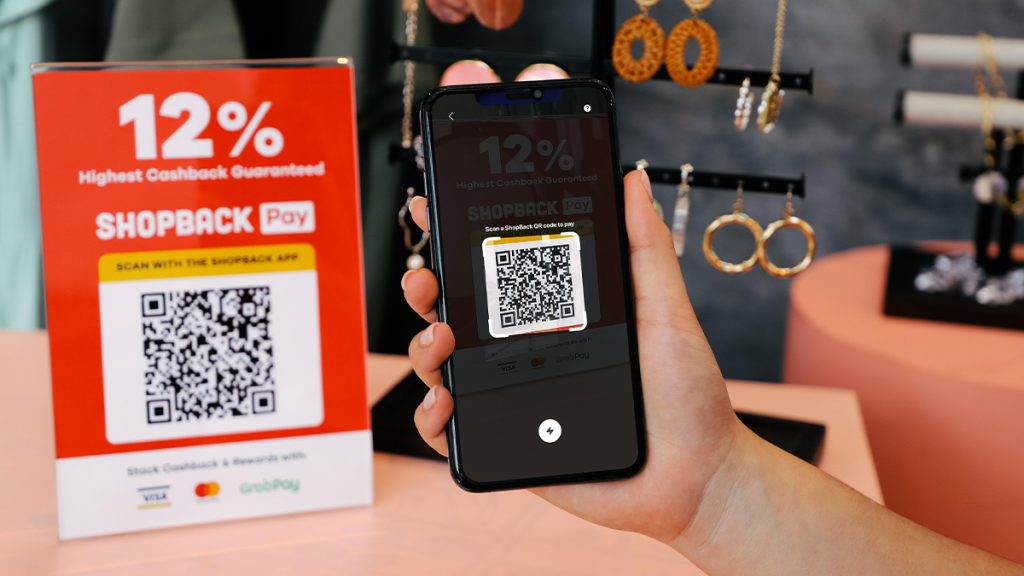
Photo credit: ShopBack
ShopBack Play was released in six markets in January last year.
In the 12 months ending March 2026 (FY 2026), the firm saw over 30% in revenue growth, powered by its expansion to higher frequency use cases and its increasing use of AI to drive personalization and other cost savings, its acting CFO and chief of staff Huanmin Huang tells Tech in Asia.
The firm also achieved adjusted EBITDA profitability for the past six successive quarters, the latest being the January to March 2026 period.
This uptick in revenue marks a departure from the flat numbers the company has seen in the past two years. ShopBack’s latest audited financial statements for the 12 months ending March 2025 (FY 2025) show it recorded a revenue of S$129.4 million (US$99 million), compared to US$99.6 million the year prior.
The firm also posted a profit before tax of S$208.9 million (US$159.9 million), swinging from a loss of US$48.5 million in FY 2024.
Huang explains, though, that this rise was driven by non-operating movements, “not a change in underlying business performance.”
As the firm looks beyond Asia Pacific to markets like North America and weighs a potential IPO, it is doing so as a leaner entity that could make it more attractive to investors.
Reducing cash burn
Singapore-headquartered ShopBack allows users to earn cashback when they shop or buy vouchers at partner merchants. Users can also make payments via its native payments service ShopBack Pay. It works with over 20,000 merchants in 13 markets.
The company operates on an affiliate marketing model, meaning its partner merchants pay a commission for sales that occur via ShopBack – a portion of which is then shared directly with the consumer.
In August 2025, ShopBack’s co-founder Joel Leong said its merchant partners, which include brands like Nike and H&M, saw US$1.2 billion in sales driven by ShopBack in the first quarter of its FY 2026.
Its FY 2025 financial statements show that an increase in finance income from US$7 million from the year prior to US$183.7 million led to the firm’s large profit that year.
Adding new business lines to cart
Stay ahead in Asia’s tech landscape
This is premium content. Subscribe to read the full story.
2025 marked ShopBack’s expansion to North America and its entry into the “play-to-earn” space. See how it plans to tackle its newest financial year.
We know this is not ideal. ⌛ Sign up in 20 seconds. Cancel anytime.
Our subscriber community includes professionals from these companies:





Stay updated on the go with our mobile app.
Get latest insights with smoother, more personalized experience through TIA mobile app.