 Malavika Velayanikal · · 5 min read
India’s largest homestay startup Stayzilla shuts down
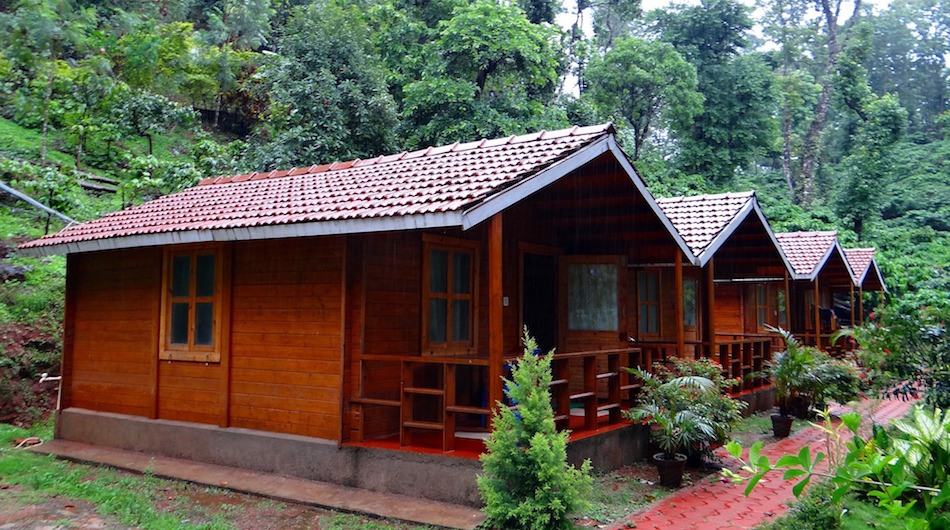
A homestay in a coffee estate in Coorg, India. Photo credit: Pixabay.
From hotels, homestays, and peer-to-peer rentals a la Airbnb to guest houses, jungle lodges, and boat houses: Stayzilla wanted to serve the diverse needs of a traveler in a vast country like India. It had 55,000 stay options in close to 1,000 towns across the country, and billed itself as India’s largest homestay network. Recently, though, it appears something is amiss.
Today, when we searched for accommodation on popular destinations Dharamshala, Shimla, Kannur, Mumbai, Bangalore, Darjeeling, and Ooty, it produced a list of “sold out” properties for any date in March and beyond. (You could still make bookings in February.) We tried 10 different dates and toggled criteria – popularity, high-to-low ratings, and low-to-high pricing. All listed properties and their rooms had a standard “sold out” tag. We checked out over 500 listings.
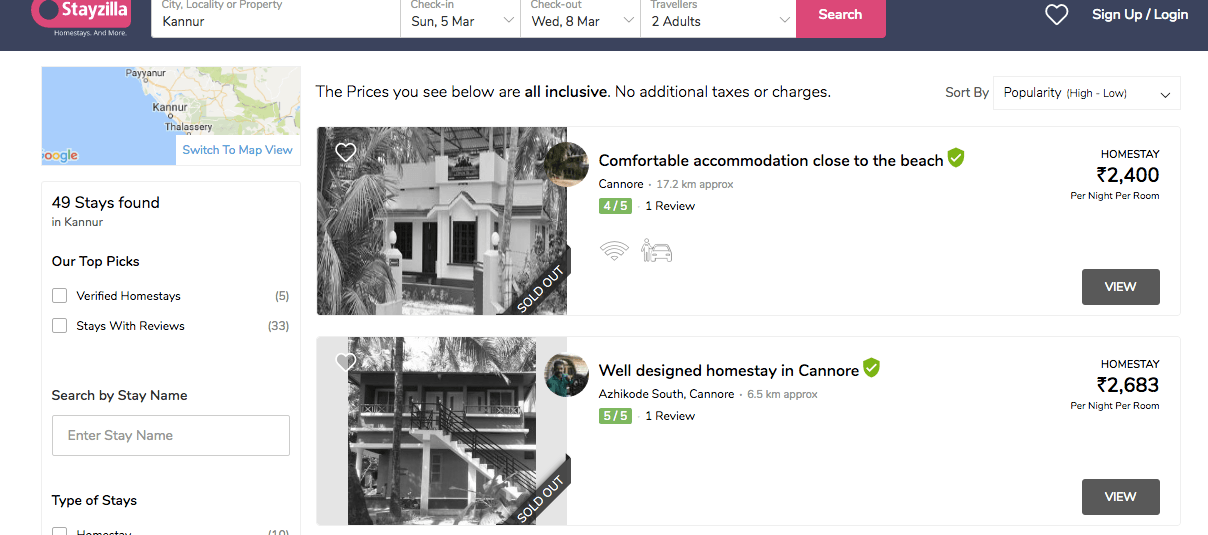
When we searched for accommodation on popular destinations Dharamshala, Shimla, Kannur, Mumbai, Bangalore, Darjeeling, and Ooty, it produced a list of “sold out” properties for any date in March and beyond.
Stayzilla’s Facebook page, which had daily entries on cool getaways, shows no posts from February 16 on. Its Twitter account is no longer public. The last tweet was sent out on February 14.
An email sent to Stayzilla CEO and co-founder Yogendra Vasupal in the morning went unanswered. But he sent a response as soon as this story appeared in Tech in Asia. “I would like to announce today that we would be bringing to a halt the operations of Stayzilla in its current form, and looking to reboot it with a different business model. This has been one of the toughest decisions that I have taken so far but it is the right thing to do,” Yogendra said.
See: Why Stayzilla backed by Matrix and Nexus shut down. A founder’s rare admission
Last evening, a call to a senior employee in Stayzilla produced the following response: “I can’t comment on this. You will get to know down the line.” Today we asked another employee to confirm that he had just lost his job, but he abruptly ended the call, after saying: “I am no longer with Stayzilla. I can’t talk right now.” A third employee, when contacted, confirmed he had lost his job yesterday but declined to say any more.
We also got in touch with a Stayzilla homestay owner and he said the company had not communicated an operations shutdown. “The site is in a mess,” he said, on looking up his property as a host and being unable to load his inventory for March. When he looked up the property as a customer, he found a “sold out” tag although rooms are available in March. He then called up his Stayzilla contact person, and discovered he had resigned. The homestay owner did not want to be identified.
See: 25 failed startups in India in 2016 and what you can learn from them
We reached out to Stayzilla investors as well, but they did not comment.
Thin margins, cash burn
The budget accommodation sector as a whole has been bleeding. The highest funded of them, Oyo, had losses of US$52.5 million and a revenue of merely US$2 million in the financial year ending in March 2016, according to a Mint compilation of filings made with India’s registrar of companies (RoC). Inasra Technologies, which runs Stayzilla, took a relatively modest hit of US$14 million in the same period with a revenue of US$2 million (the same as Oyo’s).
The difference is that SoftBank-backed Oyo has more cash to burn, with US$188 million in funding. Stayzilla’s funding is less than a fifth of Oyo’s.





Stay updated on the go with our mobile app.
Get latest insights with smoother, more personalized experience through TIA mobile app.












📅 Upcoming Events
22 October 2026
Payoneer x CSPN Summit 2026