 Stefanie Yeo · · 6 min read
Unlocking the power of conversational tools for startups

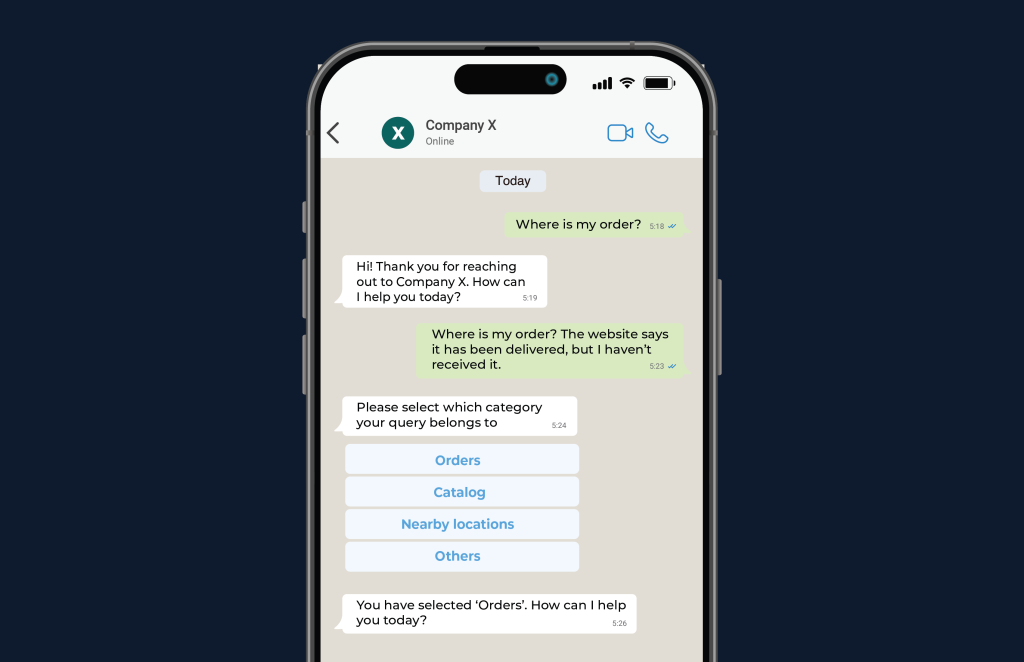
The customer’s reaction to this is probably one of great annoyance. / Visuals by Tech in Asia
The above conversation is an example of how communication between a company and a customer can go wrong.
In an age where users are constantly plugged in across different mediums and channels, it is vital for companies to successfully communicate with their customers.
However, leveraging the right conversational tools to do so appears to be easier said than done. Startups often run into issues here, as they typically don’t believe these tools are critical.
“I wouldn’t say startups are using conversational tools wrong – they’re underusing it because they are not thinking about it,” says Nikola Pavesic, director of developer experience and startups at global cloud communications platform Infobip.
Missing an opportunity
“Startups are messy. They are trying to do so many things at the same time – pushing the product, doing sales, raising money, and then they kind of don’t think about customer support and experience,” Pavesic says.
“It’s a shame, because it could really help them grow.”
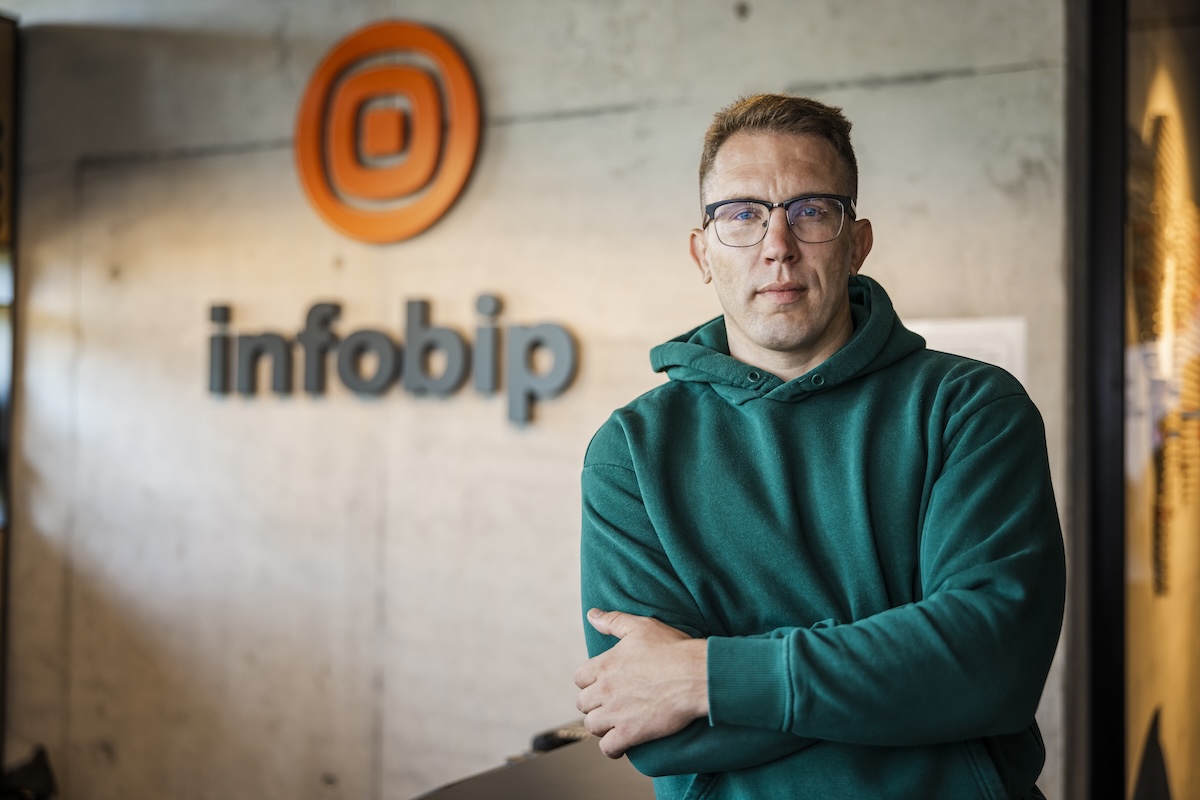
Nikola Pavesic, director of developer experience and startups at Infobip / Photo credit: Infobip
In particular, he points out that many young companies fall short in the realm of omnichannel communication. As the name implies, omnichannel communication entails connecting with customers across different channels and integrating them to create a seamless user experience.
“They don’t know what it means to be omnichannel, and they don’t realize how important it is to deliver the right message on the right channel at the right time because it’s very different depending on the situation,” he says.
Say someone is at a tech conference and is trying to arrange a meeting with a potential customer, Pavesic says. Sending an email probably wouldn’t work, as this person would be busy and not checking their inbox.
An SMS may also not be the best bet, as the cell signal in the conference hall could be poor. Messaging apps such as WhatsApp or Telegram would probably be the way to go, as attendees are likely connected to the WiFi at the venue.
When it comes to communicating with customers, the same logic applies.
“It’s really good to have these (communication) options, and people don’t think about it that way,” Pavesic shares. “Startups, on the whole, don’t utilize the potential of communication with customers.”
Meeting people where they are
Leveraging communication channels opens up a whole world of opportunities for businesses by helping them engage customers effectively. While using messaging channels for things like two-factor authentication and answering customer service queries seems obvious, there’s a lot more that businesses can do.
“Companies can get really creative,” says Pavesic. “Pick the right channels, pick how you want to deliver it, and you can really stand out.”
One startup that Infobip works with, for instance, offers monitoring solutions for people with heart conditions. Since older users may struggle to navigate a new app, the firm enabled them to share information via SMS or WhatsApp.

Photo credit: madebydubo / 123RF
There’s also an opportunity to really connect with your customers at a more personal level by using the tools on these channels. Pavesic recounts speaking with a customer representative of a new digital bank via chat, and he was delighted when they ended the conversation with a fun GIF.
“That was an example of great customer support, because they knew their audience. I talked with my customer support rep, but it’s not some kind of boring, terrible experience – they’re super cool,” he says. This ”coolness” aligned with the bank’s positioning as a more fun and modern alternative to traditional banks.
Startups can also capitalize on new solutions to make the sales process even better for customers. WhatsApp, for one, now offers the ability for users to make in-chat payments in selected markets, creating a seamless sales experience that meets users where they are.
Some ways companies can utilize communications tools effectively. Click through the images to see more.
Ultimately, all this boils down to creating a better, more seamless user experience that meets customer needs and puts startups in the right position to serve their customers in the best way possible.
All the right tools and all the right places
Given the possibilities that conversational tools hold, how can startups best go about using them in the right way?
According to Pavesic, there’s no one-size-fits-all answer to this question. It depends on the company’s product offering, customer demographics, and even the markets it operates in.
“If you’re in Vietnam, you have to use Zalo. If you’re in Brazil, you have to use WhatsApp, but if you only use WhatsApp, that’s not great for the US because lots of people there don’t use WhatsApp,” he explains. “You already have to have multiple channels if you’re in multiple markets to create that user experience.”
His advice for companies is to speak to the customer and understand what channels they want to use.

Photo credit: Infobip
“Talk to people, get feedback from customers, feedback from investors, never stop doing that,” Pavesic says.
To find their own recipe for success, startups can also turn to experienced players with the right expertise.
Solution providers such as Infobip are one such example. On top of its own product, an omnichannel cloud communications platform, it also runs the Infobip Startup Tribe initiative. The program equips young businesses with the tools they need to take their communications to the next level through product credits, advisory services, partnership opportunities, and opportunities to connect and learn from a wider community.
“The best way to support [these startups] is with the product – that’s what we’re good at,” says Pavesic. “And over time, as the Startup Tribe grows, we will have a bigger community of startups that are talking to each other, learning from each other – a living community.”
The future of customer communication
The reality of our world today, says Pavesic, is that customer communication still has a ways to go. However, emerging technologies such as AI will change that.
“What we pilot a lot is something called ‘conversational AI,’” says Pavesic. “Instead of the old-fashioned, ‘press one for Service A, press two for Service B,’ you can actually have a two-way conversation with an AI in the same way you would with a human. And, if done right, the AI model is learning from past interactions and getting better and better at it.”
This conversational AI could be applied across multiple channels, even voice calls, creating more opportunities for startups to connect with customers in a more efficient manner.
Additionally, more startups understand that they have to go beyond just building a great product to create a good experience.
“In many cultures, the customer is always right,” he shares. “Companies need to go back to this core principle.”
“A lot of great startups started because they wanted to solve real-life problems, and they want to solve problems that they face themselves,” Pavesic adds. “That’s such an amazing story, and startups can bring that same mindset to customer communication to make it right for your customers”
Infobip is a global leader in omnichannel communication, working to simplify how brands connect with, engage, and delight their customers at a global scale.
The Infobip Startup Tribe aims to build and support a global community of startups that benefit from its products and resources regardless of location, industry, or backing.
Join the Infobip Startup Tribe today.
This content was produced by Tech in Asia Studios, which connects brands with Asia’s tech community. Learn more about partnering with Tech in Asia Studios.
Stay updated on the go with our mobile app.
Get latest insights with smoother, more personalized experience through TIA mobile app.
Recommended reads
 If AI eats the world, what’s for dessert?
 A $650M AI founder: Your ‘demo-level’ AI is a ‘real danger’
 Microsoft’s bet: What’s left when AI models are commodities?
 Why revenue should come before VC money
 Sam Altman’s lesson from Google: Trust over ads
 Sell software in the US, build bots in Asia
 This startup uses AI to automate A/B test coding for marketers
 Y Combinator on moats: when it matters, when it misleads
 IBM on AGI: bad math, wrong science
 Startup takes on Sri Lanka’s out-of-pocket healthcare problem





Editing by Jonathan Chew and Jaclyn Tiu
(And yes, we’re serious about ethics and transparency. More information here.)



📅 Upcoming Events
22 October 2026
Payoneer x CSPN Summit 2026