
Shopee has become synonymous with online shopping in Southeast Asia. The digital marketplace holds a 48% market share across the region, according to a report by venture builder Momentum Works.
Given its position, it’s clear that Shopee is an essential platform for D2C brands that want to be a part of Southeast Asia’s rapidly growing ecommerce scene.

Jessica Belloc, business analyst at Odoo / Photo credit: Odoo
“It’s one of the biggest players, but it doesn’t make Shopee very easy to use,” says Jessica Belloc, a business analyst at Odoo, which offers a suite of business management tools.
Cutting through the noise and achieving visibility amid thousands of competitors requires a strategic approach powered by accurate data and streamlined operations.
Here are three tips for D2C brands looking to optimize their operations on Shopee and ensure they’re equipped to ride the wave of Southeast Asian ecommerce.
1. Understand the platform and its intricacies
Shopee’s dynamism is a double-edged sword. While the constant flurry of promotions, campaigns, and deals presents opportunities, D2C brands can find it difficult to navigate the platform’s intricacies.
“Shopee is complex to understand, and it might be quite different from how users handle operations on their own business management platform,” says Belloc.
However, understanding these intricacies is crucial for maximizing sales potential. Instead of getting lost in the noise, brands need to learn to leverage Shopee’s promotional tools to their advantage. Belloc also highlights the promotional periods like the 11.11 sale as notable opportunities.
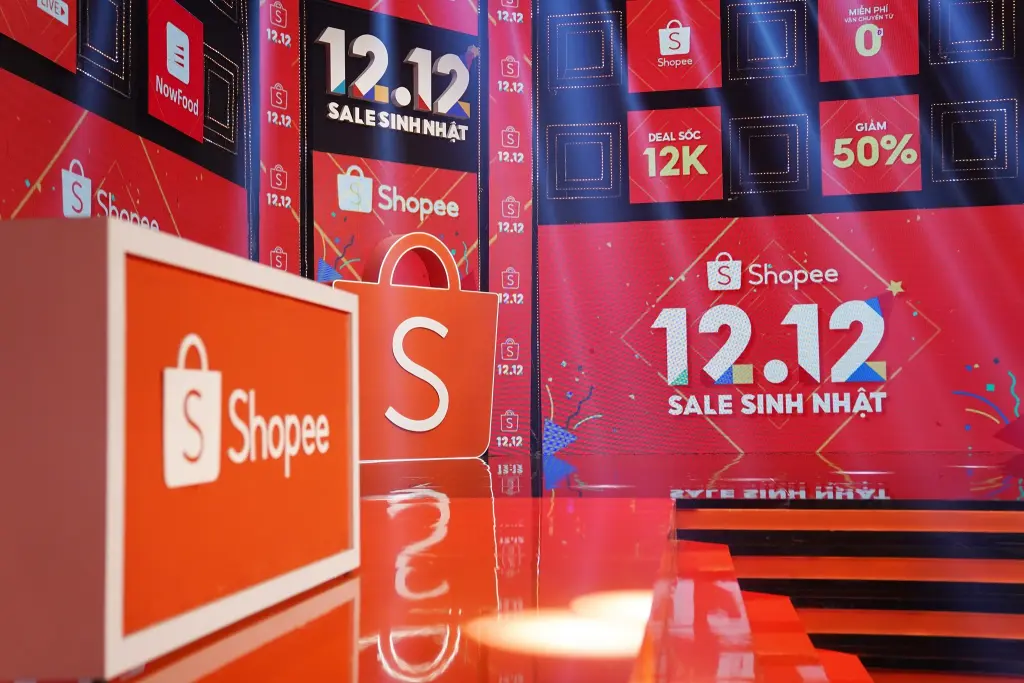
Photo credit: Shopee
On top of that, resources like the Shopee Marketing Centre offer a range of tools to help brands boost sales, engage shoppers, and drive traffic, simplifying campaign planning.
A deep understanding of Shopee’s mechanics lets D2C brands strategically align their product offerings with these promotional periods, boosting visibility and driving conversions.
2. Centralize data for a single source of truth
Managing a successful store in Shopee requires accurate, real-time data. It’s the cornerstone of an effective strategy for the platform, as data empowers brands to make informed decisions about product listings, promotions, and overall business direction.
However, many businesses in Southeast Asia still rely on scattered spreadsheets and multiple apps, leading to a fragmented view of their operations.
“When we implement new clients, they are mostly working on Excel,” shares Belloc. “Everything is an Excel sheet – the stock is in Excel, the sales are in Excel.”

This reliance on manual data entry increases the risk of errors and makes it difficult to gain a clear understanding of business performance. Belloc points out that if data isn’t handled properly, brands are “missing out on a lot of business that they can make.”
Platforms such as Odoo provide a centralized system, consolidating all essential business data into a single source of truth across various aspects of operations, ranging from sales to inventory to customer relationship management. Through its platform, it offers companies all the tools they need to gain valuable insights into every aspect of their business.
To enhance its services even further, Odoo is launching a new integration with Shopee that connects brands’ stores on the marketplace with Odoo’s platform. This will reduce the need for manual exporting and importing of data between Shopee and existing sales and inventory management systems.
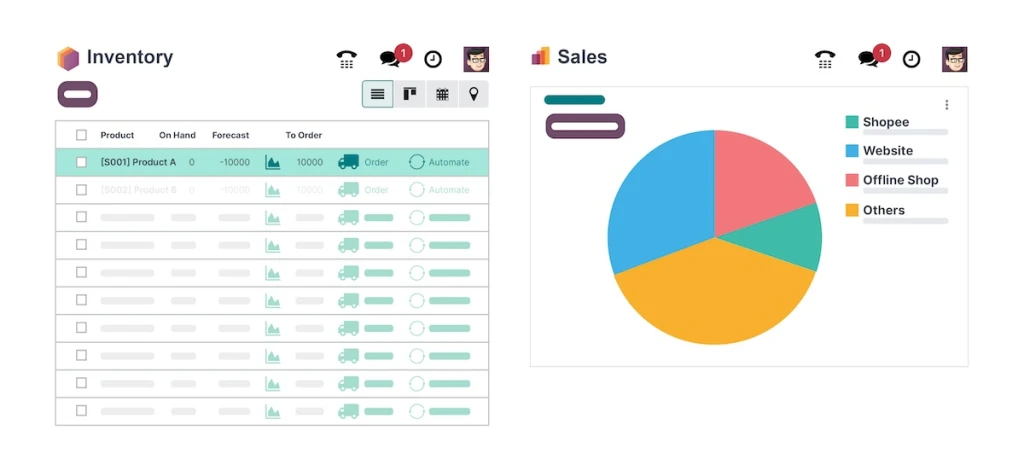
Photo credit: Odoo
“With all this data in one place, they’ll be able to easily understand how many sales they generated, the fees involved, and know exactly the sort of business outcomes they’ve experienced to make an informed decision,” says Belloc.
She adds that this integration is just the “first block of a bigger plan” for Odoo, promising even greater data capabilities in the future.
3. Embrace omnichannel retail
While Shopee is a crucial sales channel for D2C brands, it’s important to remember the bigger picture: omnichannel retail. Reaching customers across multiple platforms maximizes brand visibility and sales potential.
To avoid over-reliance on a single platform, Belloc suggests that sellers consider having a dedicated ecommerce website or even a physical store as part of a broader strategy.
“Without an omnichannel approach, businesses may not be able to reach out to potential customers in the right way, risking major opportunities,” says Belloc.

Photo credit: Nattakorn_Maneerat / Shutterstock
Such a strategy also allows for greater control over branding and customer experience, which forges a stronger brand identity and builds trust outside of sales channels.
“Customers can understand the full brand story on a business’ website when they’re doing research outside of marketplace platforms,” Belloc adds. A company could have Shopee as its main ecommerce platform but still have a website that details its product features, as well as social media and email channels that allow it to engage with potential customers effectively.
Odoo supports this omnichannel approach by integrating various sales channels and providing a holistic view of customer interactions, whether they take place on Shopee, a dedicated ecommerce website, or a physical store.
This diversified strategy allows for a wider reach while maintaining centralized operations within Odoo. The business owner can quickly review sales reports across different channels within a single dashboard, enabling them to identify areas needing attention, such as a drop in Shopee performance, and then strategize accordingly.

Photo credit: Tirachard Kumtanom / Shutterstock
Moreover, through the platform, business owners can implement targeted campaigns to reengage customers through social media, email marketing, or physical channels like pop-up stores.
As Belloc puts it, “It’s really beneficial that they can just look at one system.”
Laying the foundations for long-term success
Optimizing operations is necessary to not only maximize a D2C brand’s Shopee presence but also set the business up for long-term success.
Through optimization, brands can “spend less time on manual tasks that don’t generate value and more time focusing on what truly grows the business, such as product improvements or enhancing customer service,” says Belloc.
She also highlights the importance of diversification and omnichannel strategies to broaden reach and build a stronger brand, as well as the value of data in fueling these strategies.
“Data-driven decision-making is not just an advantage, it’s a necessity for businesses aiming to thrive in a competitive environment,” adds Belloc. “By leveraging insights from data, companies can not only optimize their operations but also innovate and connect with customers in meaningful ways.”
Odoo provides ready-to-use, comprehensive business management tools and inventory solutions for companies with inventory management needs of all sizes
Visit Odoo’s website to book a demo.
This content was produced by Tech in Asia Studios, which connects brands with Asia’s tech community. Learn more about partnering with Tech in Asia Studios.
Stay updated on the go with our mobile app.
Get latest insights with smoother, more personalized experience through TIA mobile app.
Recommended reads
 Tracking AI hiring in Singapore: OpenAI, Anthropic, and more
 SEA financials tracker: Moladin’s revenue rises 6% in 2025
 On‑demand services lift Line Man Wongnai’s 2025 revenue to $544m
 Flipkart’s costly late push into quick commerce and food delivery
 Inside Singapore’s government team that kills its own products
 Once an IPO hopeful, SCI Ecommerce nears collapse
 Who’s betting big on ChatGPT ads? Not Asian brands
 VC tracker: Granite Asia launches US$50 million fund
 GCash trims IPO ambitions to meet market realities
 Igloo CEO eyes global M&A: ‘We have an appetite to grow more’





Editing by Stefanie Yeo, Winston Zhang, and Lorenzo Kyle Subido
(And yes, we’re serious about ethics and transparency. More information here.)






📅 Upcoming Events
22 October 2026
Payoneer x CSPN Summit 2026