Meghna Rao · · 4 min read
India’s telecom body got mobile banking horribly wrong. Now, startups are out to crack it
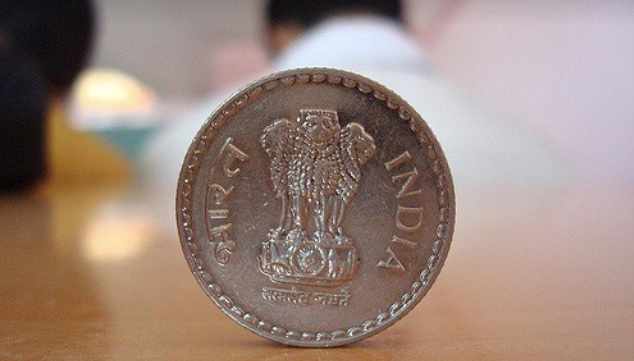
Photo credit: Dinesh Cyanam.
There is a mobile banking service in India that’s mostly unused. If you send a message to a number – *99# – you can transfer money between banks, check your account balance, and look up monthly statements.
You can’t just send that message, though. First, you’ll have to register your bank account and connect it with your phone number. There are other complications – the service runs on USSD – unstructured supplementary service data – technology, which costs INR1.50 (US$0.02) per message. That money is taken off your phone balance and is more expensive than an SMS.
The regulatory body that released the service in 2012 – the Telecom Regulatory Authority of India (TRAI) – is well aware of these complications. Thirty months after its initial release, it has put out a new paper with an admission and a promise – the service hasn’t been working and it wants to improve it.
Only 3.7 million people – less than 0.3 percent of India’s population – attempted to use it in May 2016, the paper said. It didn’t elaborate on how many of these attempts were successful.
Its re-appraisal of the project raises an important question: What type of tech solution is necessary for India to make mobile banking happen?
Lessons from Kenya
The target market for TRAI’s mobile banking service is clear: those who live in remote areas without easy access to bank branches and functional ATMs, or those who don’t have the data connectivity to use apps that would otherwise do the job.
That market has been missed. TRAI brings up a few things that can be improved, like decreasing the price of a message, increasing the time that can be spent in a single session, and creating push notifications if someone leaves a session midway.
Despite that, one can’t help but feel that the initiative is not going to work.
Let’s start by taking a look at another country where a tech solution has worked – Kenya. Despite factors like cash dependency and low smartphone penetration, money transfer and financial services company M-Pesa claims to have processed 4.1 billion transactions in 2015.
M-Pesa gained popularity in 2008, right after a controversial election. At that time, ethnic violence had erupted. Members of different groups were afraid to leave their homes and it wasn’t safe to travel around with cash. What’s worse, some banks were allying with certain groups – leaving many without access to financial services.
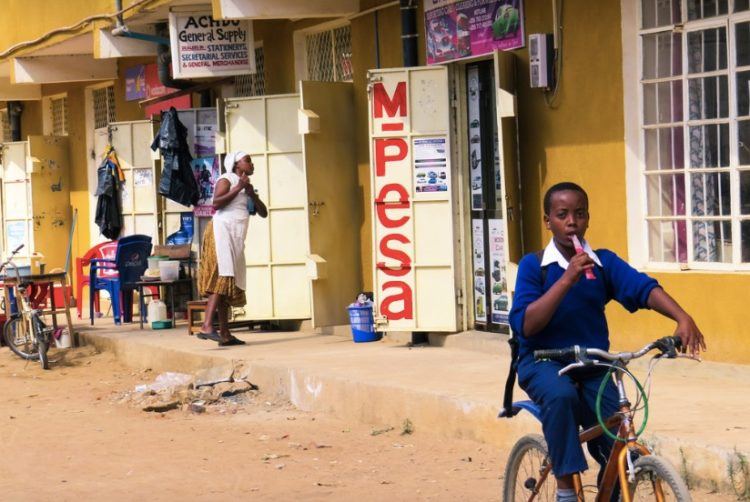
Photo credit: Brian Harries.
That’s when M-Pesa stepped in. It let people give cash to any one of the agents – think “human ATMs” – it had stationed around Kenya. Those agents would then transfer the cash to a “wallet” that could be accessed either from cellphones or in-person. It could be used at different outlets and withdrawn from when needed.
High and low tech solutions





Stay updated on the go with our mobile app.
Get latest insights with smoother, more personalized experience through TIA mobile app.