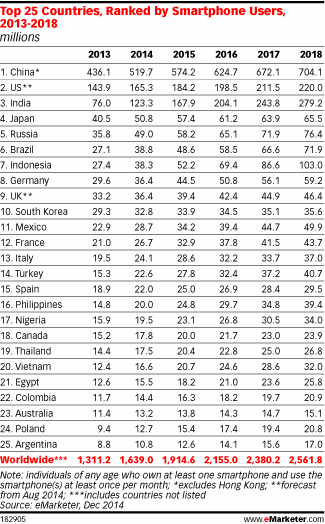
 E-Marketer predicts that by 2018 there will be 200 million new smartphone users in emerging Asia.
To put that into context, that’s more users than there are currently in the whole of U.S. The opportunity is huge for the developers of these apps, but also for brands to tap into their potential to participate in peer to peer conversation in an engaging and meaningful way.
If we look at the biggest 3 growth markets of India, Indonesia and Philippines, the early leaders in these markets are Whatsapp and Facebook Messenger both of which currently do not offer brand solutions on their platform.
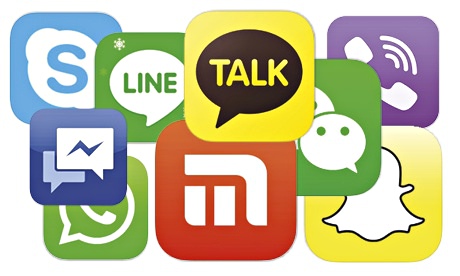
We’ve seen how in developed markets Facebook Messenger (due to people joining Facebook), Whatsapp and Viber scaled quickly as people migrated from SMS. What we’ve also seen as these markets mature is category segmentation, with millennials flocking to Kik and Snapchat for a more visual, personalised and creative experience on smartphones.
This is especially important because of the 200 million plus new users expected to come into the market, over 70% are likely to be under 35 and we know millennials and Gen Z are typically the early adopters of technology. However, connection speeds could hinder the experience on more data demanding platforms.
So with Facebook Messenger and Whatsapp currently not offering brand advertising opportunities, what will be the best apps for brands to get involved with in emerging Asia in the next 12-18 months?
It won’t be WeChat or Viber
Despite both having around 500 million users globally and opportunities for brand integration, I don’t see WeChat or Viber taking leadership positions in emerging Asia in the medium term. WeChat is now a sophisticated product that’s evolved with the unique requirements of Chinese consumers. I’m not convinced that despite it’s well integrated games, content and payment ecosystem and the financial muscle of Tencent, that millennials in developing Asia will take to it. The anti-China sentiment that exists in some markets could also potentially hinder growth (such as in Philippines and Vietnam).
The issue I have with Viber is the lack of differentiation; they’re not known for anything. They don’t have the ecosystem of WeChat, the iconic characters like LINE or the insight driven UI of Snapchat. Despite having a strong early presence in Philippines and Vietnam, I think we will see Vibers share drop off in the next 12-18 months.
LINE for Southeast Asia
Despite having less than half the users of the previously mentioned platforms, I think LINE offers the best opportunity for brands for three reasons:
Firstly, it already has a proven revenue model that is both built around the consumer experience and brand integration. This involves branded stickers, distribution of content via messages and value exchange video views. Secondly, LINE is building an ecosystem of games, micropayments and services as well as creating products for SEA consumers such as selfie app B612 which has been hugely successful in Thailand and Indonesia. Thirdly, the LINE characters are iconic, own-able properties that truly embed LINE into culture. Other apps (like Viber) have tried to replicate this and failed.





Stay updated on the go with our mobile app.
Get latest insights with smoother, more personalized experience through TIA mobile app.