Jack Ellis · · 4 min read
Dahmakan is Malaysia’s first startup to be accepted into Y Combinator
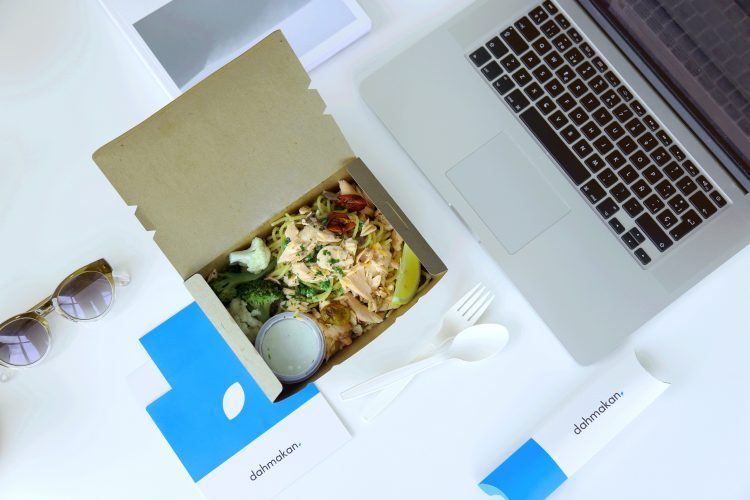
Lunch “al desko”. Photo credit: Dahmakan.
Food delivery startup Dahmakan is on the cusp of closing more than US$2 million in follow-on funding after its US$1.3 million seed round back in February, the company has told Tech in Asia. One of the investors is famed startup accelerator Y Combinator (YC), which has just accepted Dahmakan into its latest cohort. Dahmakan is the first startup from Malaysia to enter the program.
(Disclosure: Tech in Asia is also a Y Combinator company. See our ethics page for details.)
Unlike rival services such as Foodpanda, UberEats, and Deliveroo – which act as middlemen who pick up food from restaurants and stalls and deliver them to customers – Dahmakan delivers meals that have been prepared in-house in its own kitchens. The company currently makes tens of thousands of deliveries in Kuala Lumpur each month, and expects to begin turning a profit within the next nine months.
Rather than trying to create another marketplace, Dahmakan’s founders wanted to take control of the entire value chain, including food production and logistics.
Co-founder and CEO Jonathan Weins previously worked for Foodpanda and oversaw its rollout in Hong Kong. He tells Tech in Asia that some of the initial ideas that eventually led to Dahmakan’s formation were a result of identifying inefficiencies in the model deployed by Foodpanda and other “middleman” services. Rather than trying to create another marketplace, Dahmakan’s founders wanted to take control of the entire value chain, including food production and logistics, so they could build a more efficient delivery service.
“The customer orders food through the marketplace model from restaurants that might not be optimized for delivery,” Weins suggests. This not only affects food quality, but also value, since such customers will often be paying dine-in prices to order from establishments that are geared more towards sit-down meals rather than takeouts.
“In a restaurant like that you’re paying for good service, branding, atmosphere, music, air con, and so on, in addition to the food,” he says. “Then [to get it delivered] you’re paying a hefty delivery fee and service fee as well.”
Centralized kitchen
It is not just customers who can end up paying over the odds. The marketplace model essentially boils down to distributing orders across kitchens at many different establishments. Again, these kitchens will often be on the small side, designed primarily to serve dine-in customers, and equipped to produce a certain number of meals each sitting.
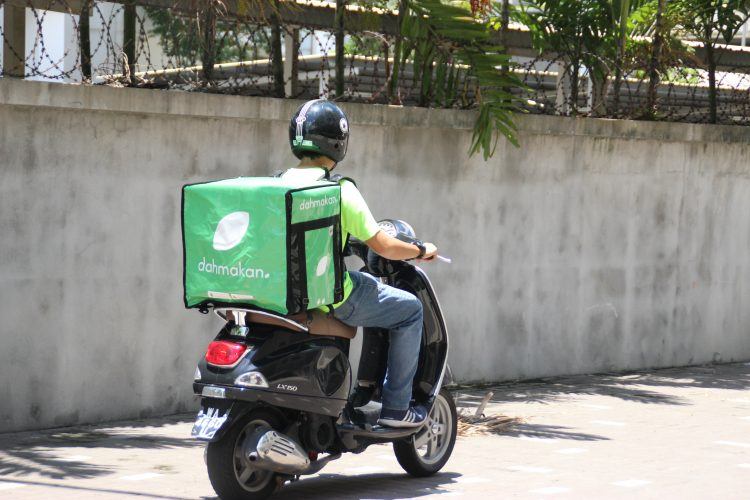
Photo credit: Dahmakan.
Dahmakan turns this concept on its head by centralizing all orders and producing them in one kitchen, so the focus can be on the delivery aspect. “We save tremendously on labor costs, and work with bulk processes – instead of cooking several small pots, we can make one huge pot – and that also means we get much better purchasing prices from suppliers,” says Weins. “That obviously gives us much more bargaining power than a small restaurant that serves a few hundred.”
Expansion plans





Stay updated on the go with our mobile app.
Get latest insights with smoother, more personalized experience through TIA mobile app.