Jum Balea · · 3 min read
From a box to a boat, this startup lets your store stuff in someone else’s place

The sharing economy is growing. We’ve seen peer-to-peer marketplaces for a lot of things – from rooms to offices, cars to motorcycles and bicycles. Spacer, a startup that just launched in Australia and raised some funding, captures another vertical: self-storage.
Like others in this business, Spacer poses this one question to its users: why shell out big bucks for something you can rent cheaply from others?
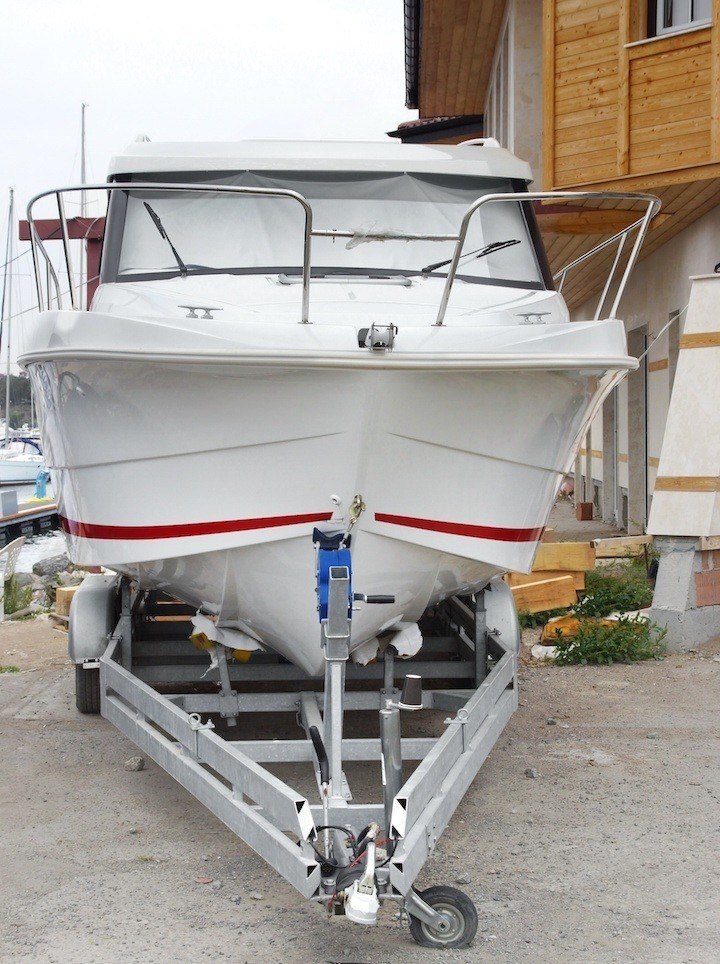
Spacer bills itself as the solution for consumers looking for indoor and outdoor storage that could accommodate a variety of items. It could be anything – bulky stuff like boats, caravans, machinery, and cars or typical household items such as sporting equipment, clothing, and furniture.
“Space is the new tradeable commodity in the sharing economy. That’s not surprising given the high-density living in Australia’s capital cities, which has resulted in some people having space and many others needing additional space,” notes founder Michael Rosenbaum, who’s a former director of online shopping store Deals Direct.
Spacer has struck a chord with local governments, where street congestion is a big issue.
“Many councils are looking at ways to get boats, cars, and other large items such as trailers off the streets to reduce congestion within local communities,” Michael explains.
“We are currently in discussions with Warringah, Manly, Marrickville, and Kuring-Gai councils about partnerships to support their local community needs, as well as a number of sporting clubs and industrial real estate providers to secure listings of large commercial properties on the platform to support users that have bigger storage needs.”
Half the usual price
Australia’s self-storage market is a US$540 million-plus industry that’s growing at a rate of roughly 2 percent a year. High fees, hidden costs, and inconvenient locations make it ripe for disruption.
“Australians are being ripped off,” says Michael.
Self-storage facilities in suburban Sydney, for example, charge A$700 (US$508) to A$900 (US$653) per month over a required storage period of at least 2.5 years. Particularly, boat storage is a headache. Boat ownership is growing at 4 percent per annum and caravan ownership at over 5 percent per year.
“Spacer’s prices are typically 50 percent off what you would pay at traditional self-storage facilities, plus it has the added advantage of no-lock in contracts and no hidden fees,” Michael claims.
What’s next





Stay updated on the go with our mobile app.
Get latest insights with smoother, more personalized experience through TIA mobile app.