Malavika Velayanikal · · 2 min read
5 important questions to ask, as Ola, TaxiForSure, and TaxiPixi join Uber on Delhi blacklist
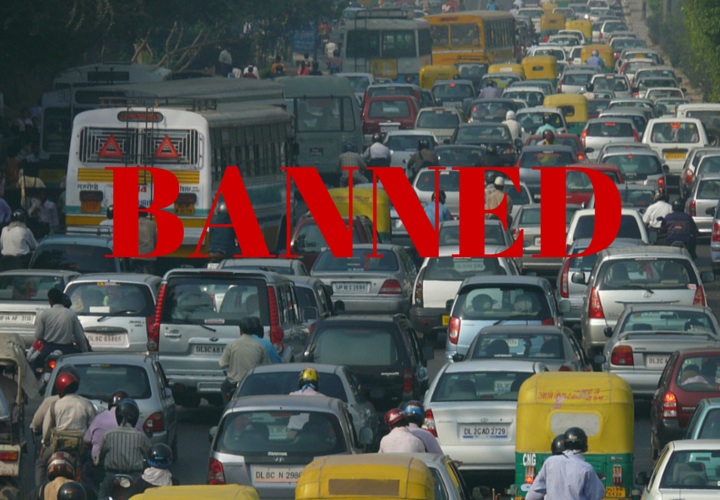
Yesterday, the Delhi Transport Department blacklisted Uber, and banned it from operating in India’s National Capital Territory (NCT). The decision came a day after an Uber driver was arrested on charges of rape. And last night, in a notice to the public, the authorities clarified that it’s not just Uber that was banned, but also other taxi services using web-based technology for their operations. (Hat-tip to The Economic Times for spotting this.)
The notice said:
Public is hereby informed that only Easy Cab, Meru Cab, Mega Cab, Chanson Cab, Yo Cab, and Air Cab are licensed with the Transport Department to provide Radio Taxi services in the city. All other cab services which use web-based technology, which are not recognised, are prohibited from providing such services in the NCT of Delhi till they get permission from the Transport Department.
This prohibition raise at least five questions which the government and transport authority need to answer:
- Some of the violations committed by Uber and others, show remarkable carelessness: on-boarding taxi drivers without police verification, or running tourist vehicles with all-India permits as city taxis, or failing to meet the requirement of clean fuel for taxis in Delhi. Why did these basic transgressions not get flagged earlier?
-
If Uber, Ola, and TaxiForSure were running thousands of taxis for months before this incident, without getting a license to operate taxis in Delhi from the local authority, why did the transport authorities or traffic police not take action until now?
-
Why did the city need a horrific crime to wake up and see the need to enforce regulations meant to protect citizens, or to come out with new regulations after web-based taxi apps were introduced?
-
How will the huge demand for taxi services, evident from the popularity of Uber and similar taxi apps, be met? The point is that neither public transport nor the traditional taxi or auto rickshaw services were considered either safe or convenient – and that is one reason why people flocked to the taxi apps. Simply banning them makes it that much harder, more expensive, and probably riskier, for hundreds of thousands of young women in Delhi who will now have to find alternative means of commuting to work, attending a social event, or going to the market.
-
The final question is whether the onus now lies with the transport authority of Delhi to ensure safe, convenient, and affordable transportation is available. Is it not in the public interest to provide well-regulated app-based taxi services, instead of banning them outright?





Stay updated on the go with our mobile app.
Get latest insights with smoother, more personalized experience through TIA mobile app.