Lily Canter · · 3 min read
Social media may breed envy in countries with high inequality, study says
Social media has long provided platforms for people to share images of their enviable lifestyles. But new research from Indonesia says those happy snaps taken on holiday or at cool parties can have a damaging effect on people.
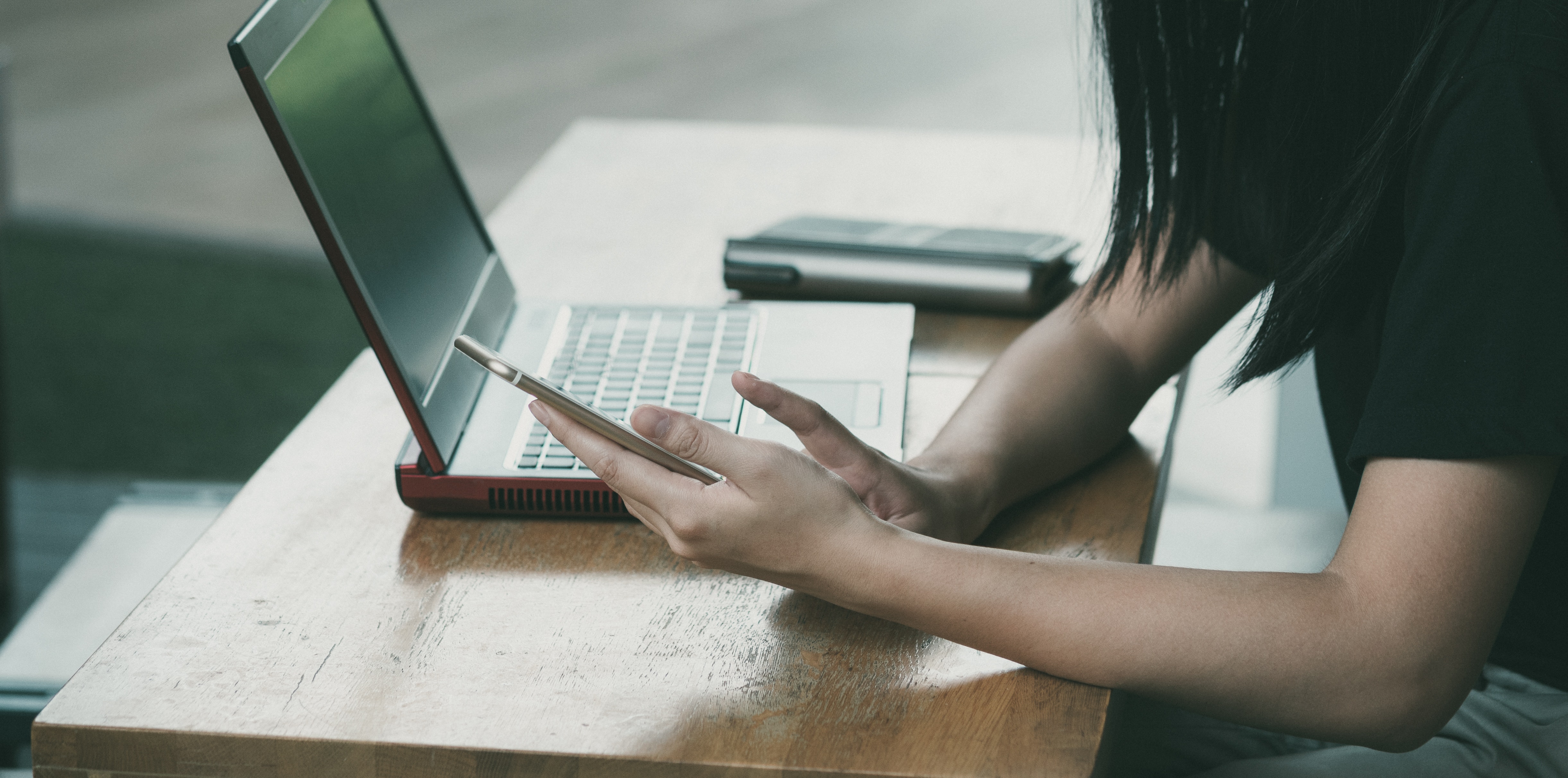
Photo credit: Porapak Apichodilok
Data from the Indonesia Family Life Survey reveals that adults often feel resentment towards their richer friends after seeing their positive social media posts.
The research, which surveyed 9,987 households, was conducted by social scientists at the University of Brawijaya and Yogyakarta State University in Indonesia, and academics from the UK’s University of Manchester.
The study looked specifically at Facebook, Twitter, and chat, and analyzed 22,423 individuals across almost 300 districts in a country of 264 million.
Although the effect of social media on mental health has been documented globally, this new research pinpoints particular issues in developing countries such as Indonesia.
“In a society like Indonesia with such dramatic inequality, social media may lead to envy and bitterness, since poor individuals are exposed to the happiness and positive images of their richer friends,” said the study, published in the International Journal of Mental Health and Addiction.
Inequality in Indonesia has been rising fast since 2000, and the country has the third fastest-growing economy among G20 nations. It has a growing consumer class whose lives contrast starkly with those of Indonesians who have received less education or cannot find jobs. Indonesia’s transition to democracy has also played out on social media with negative results, according to the research authors.
A cacophony of news about government failures, corruption, crime, conflicts, and poverty is amplified on social media on a daily basis – providing little escape for the country’s citizens.
Without the ability to avoid so much negative information, individuals may face frustration that affects their mental health, says the study. “[The research] is a strong reminder that these technologies can have a downside,” says co-author Gindo Tampubolon.
This is made worse by the prevalence of social media and the increased time that people spend on these platforms. Recent statistics from the Indonesia Internet Exchange show that Indonesians access social media such as BlackBerry Messenger, WhatsApp, and Twitter every 72 seconds on average over the course of nearly 11 hours each day. Facebook reports a total of 54 million individual users in Indonesia, making it the fourth-largest Facebook-using country in the world.
Meanwhile, Twitter reports that it has 22 million Indonesian users who publish 385 tweets per second, putting the country in fifth place worldwide.
At the same time, the number of cases of mental disorder is growing in the country, with an estimated 11.8 million people affected, according to the latest Indonesia Basic Health Research survey.
The study authors are urging policymakers to take steps to ensure people use social media more carefully.





Stay updated on the go with our mobile app.
Get latest insights with smoother, more personalized experience through TIA mobile app.