 Rebecca Liew · · 5 min read
Small businesses can take a data-first approach to scale and succeed

When Singapore-based fintech startup Hoolah launched in 2018 with its buy now, pay later (BNPL) offer, the market for the payment model was still in its nascent stages in Southeast Asia. Still, it presented an opportunity for merchants and consumers – interest-free repayments can be a solution for sellers to boost conversion numbers, customer engagement, and brand loyalty.
But it was the pandemic – and the subsequent rise of ecommerce and digital payments in the region – that amplified Hoolah’s growth. In 2020, the company’s transaction volume increased 7x over six months as more merchants began offering BNPL options to engage their consumers and maintain their bottom lines.
Hoolah’s business model, however, wasn’t the sole reason for its success. It also had the right building blocks in place to scale its business while maintaining full visibility over its data and back-end system.
A data-first approach
Small businesses need to have the right architecture to grow and thrive in Southeast Asia. That’s according to Carol Fong, regional vice president for sales (Singapore) at Salesforce – the global leader in integrated customer relationship management (CRM) platforms whose clients include ecommerce marketplace Carousell and cloud accounting software firm Xero, among others.
“This means thinking about whether their technology is scalable and whether it can help them easily expand into new markets and countries within the shortest amount of time,” she shares.
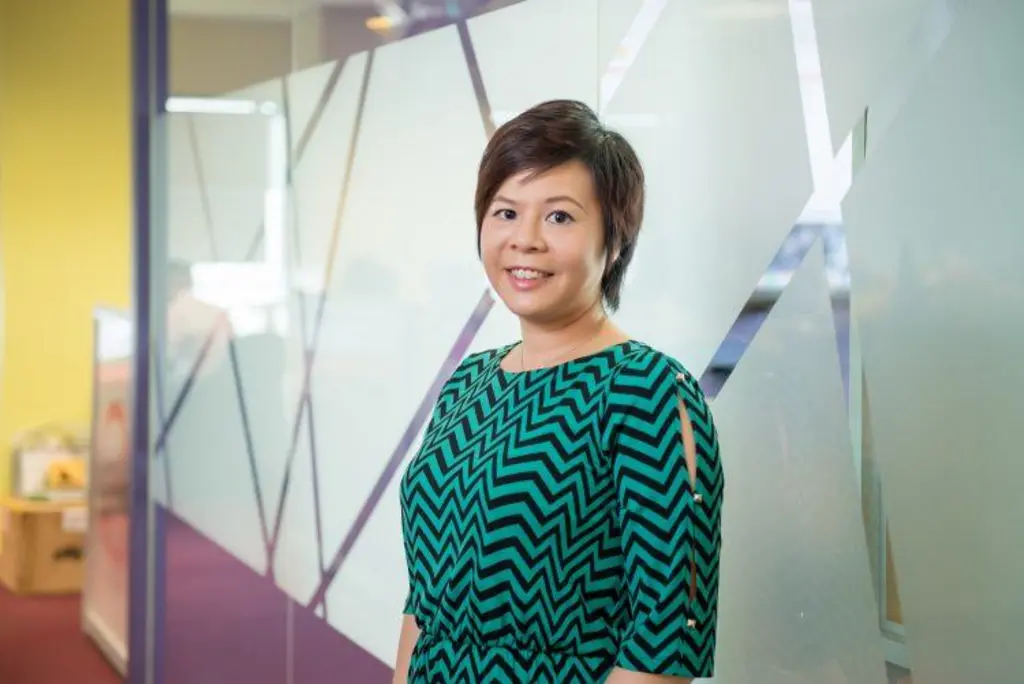
Carol Fong, regional vice president for sales (Singapore) at Salesforce / Photo credit: Salesforce
But building the right architecture starts by anticipating user needs. For example, 88% of customers expect companies to accelerate their digital initiatives as a result of the pandemic.
While Fong admits it is difficult to predict technological trends, small business owners must adopt a data-first approach to identify customer problems that need solving, then work on how to fix them.
“The most successful companies are those that use data to understand their customers and segmentation and analyze where they should invest and the markets they should expand into,” she adds.
While acquiring historical data indeed takes time, SMEs can pool customer data from different system platforms in order to get a single view of their consumers’ expectations and behavior. From here, businesses would then be able to identify the most important factors for their users.
“Through data, you can anticipate some of these customer problems, capture users’ demands, and plan accordingly. These would help you deliver a true customer experience,” notes Fong.
Building a scalable model
In Hoolah’s case, scaling meant bringing in more merchants and moving into new markets. As a result, the fintech firm saw the need to create a more seamless platform from the get-go.
One approach it chose to take was embedding the Salesforce Customer 360 platform into its system to gain better visibility over its merchant activity, forecast sales revenues against each stage of the sales process, and streamline merchant onboarding.
With more expansion plans in the pipeline, Hoolah believes that Salesforce and its platform will be crucial in its go-to-market strategy.
The way Fong sees it, such solutions could help SMEs scale better. Given Salesforce’s ability to adapt to companies of all sizes, the platform is particularly useful for startups that are starting out and want a clean view of their data.
The ability to be creative – like finding solutions and tools to get ahead – is paramount for small businesses to thrive. As Fong points out, SMEs are at an advantage, as they tend to have less technical debt than more established companies and are able to rectify mistakes, such as coding errors in the software development process, more quickly.
“When a company is small, it’s easier to test out new innovations and establish a tech-first culture,” Fong adds.
Leveraging technology
In many ways, starting small gives startups the opportunity to prioritize customer experience through tech – something that 51% of SME owners believe is essential to growing their consumer base.
Singapore-headquartered startup V-Key is one such case. From its inception in 2012, the cybersecurity software company had already anticipated the growing need for better mobile security among the region’s increasingly mobile-first populations, so it built its product on this premise.
As the pandemic has given rise to more black hackers who capitalize on companies’ digital transformations to breach inadequately protected systems, V-key has maintained its footing.
While traditional security methods such as passwords, second-factor authentication tokens, and SMS-based authentication are still used today, the company’s disruptive approach to keeping data safer takes the form of a virtual, multi-layered security token app. Its solution is employed by major banks across the region thanks to the company’s convenient one-tap verification system.
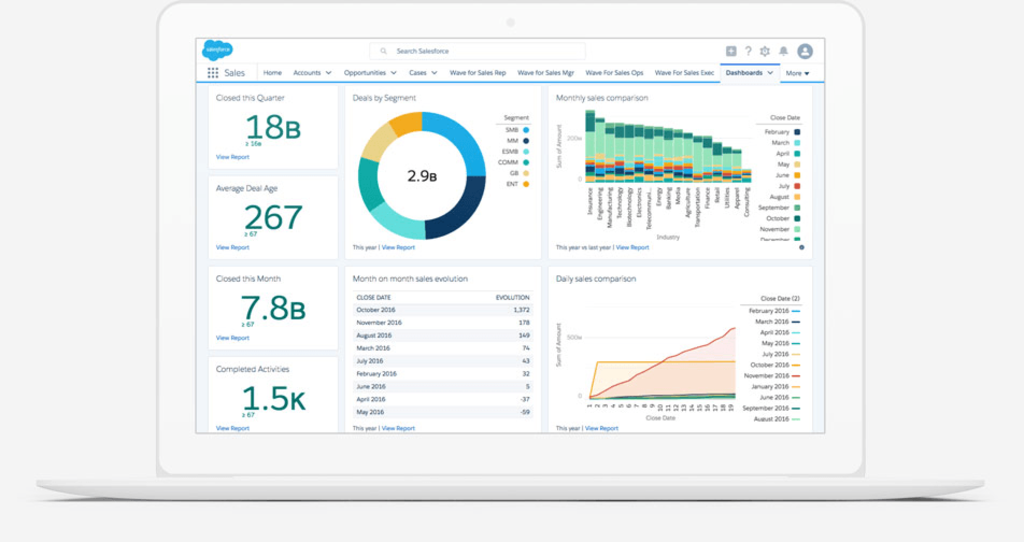
Photo credit: Salesforce
V-Key has also scaled up its operations through the use of tools like Salesforce Sales Cloud and Pardot marketing automation, and believes that the CRM platform has allowed it to better manage its marketing campaigns and overall pipeline, in turn presenting it greater opportunities for growth.
“Many small and medium businesses in the region still rely on manual processes, so we see the many opportunities for them to leverage digital technology as they scale,” Fong says.
This was also why Salesforce worked with the Singapore government to be included as a pre-approved vendor for the Productivity Solutions Grant (PSG), which helps SMEs in Singapore to kickstart their technology journeys. Through PSG, businesses have a better chance at expanding into new markets while embarking on their digital transformation journeys.
As more businesses today use technology to drive consumer growth, collaboration, and employee productivity, the competition to stay up to date in the digital space has never been greater, and SMEs that leverage tech solutions would ultimately have a better chance at success.
“My advice for small businesses is to always think about how to engage your customers through their preferred channels to deliver an effortless customer experience and plan for both the short and long term to better scale,” Fong says.
Salesforce is a global leader in integrated customer relationship management (CRM). Its platform gives all departments – from marketing and sales to commerce and service – a single, shared view of each user to deliver the personalized experiences that they expect.
Find out how Hoolah and V-Key thrived amid the pandemic in the free online episode of Salesforce Live: Asia featuring Small and Fast-Growing Business Trailblazers on June 10 by registering here.
This content was produced by Tech in Asia Studios, which connects brands with Asia’s tech community. Learn more about partnering with Tech in Asia Studios.
Stay updated on the go with our mobile app.
Get latest insights with smoother, more personalized experience through TIA mobile app.
Recommended reads
 How financial infrastructure powers global startups
 Why SaaS is dying and service as software is rising
 Startup takes on Sri Lanka’s out-of-pocket healthcare problem
 How the newest generation of hospitality businesses is revolutionizing the industry
 5 key takeaways from Meta’s report for D2C startups
 How Singaporean SMEs can scale amid today’s uncertain global economy
 This startup makes durian season last all year with freeze tech
 Making sense of Grab’s cloud kitchen shutdown in Indonesia
 Can Singapore’s new digital banks break into a saturated market?
 How full-stack insurtech platforms can revolutionize health insurance in Indonesia





Editing by Nathaniel Fetalvero and Jaclyn Tiu
(And yes, we’re serious about ethics and transparency. More information here.)





📅 Upcoming Events
22 October 2026
Payoneer x CSPN Summit 2026