Chua Kong Ho · · 3 min read
Singapore’s online hotel booking site RedDoorz targets Southeast Asia push
RedDoorz founder and chief executive Amit Saberwal describes his four-year-old budget hotel online booking startup as a “combination of Uber and Marriott.”
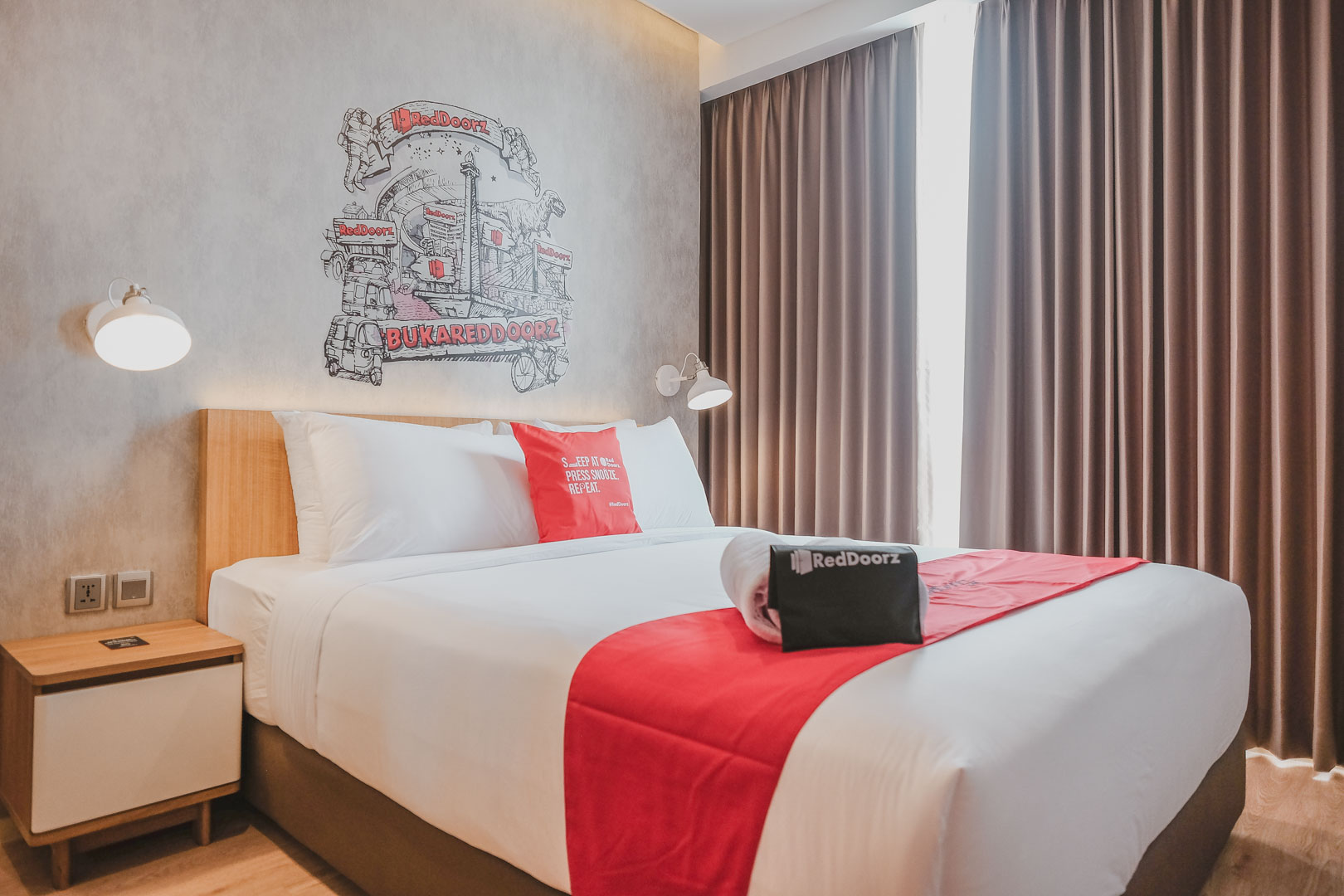
Photo credit: RedDoorz
The Singapore-based firm is like Uber Technologies in the sense that the hotels listed on its app are owned by individual proprietors, just like many drivers own their cars and pick up bookings through the US ride-hailing giant. It is like Marriott International, the international hotel chain operator and franchiser, because it helps take care of finding customers for the owners, according to Saberwal.
“For consumers, doubt will always exist whether or not the independent hotel is of good quality,” he said in an interview in Hong Kong last month. “With RedDoorz, there’s the guarantee of a nice, clean room with Wi-Fi that’s safe and comfortable, functional, and utilitarian so that the guest can get on with the next day refreshed. We don’t overpromise.”
Unlike international hotel chains, though, RedDoorz focuses on the domestic travel market in Southeast Asia, where it currently covers Indonesia, the Philippines, Vietnam, and Singapore. The company also has plans to enter Thailand and Malaysia.
RedDoorz has been compared to Oyo Hotels and Homes. It’s an Indian budget hotel chain operator that has branched out into co-living spaces and attracted investors such as Airbnb, Grab, and Didi Chuxing.
Domestic travelers, according to Saberwal, make repeat trips, so there is no need to reacquire customers each time. He estimated that 70% of RedDoorz’s customers are repeat guests, compared to the industry average of 20% to 25%.
More than half of their users are corporate customers or junior employees paying out of their own pocket before claims, he said. The startup recorded 500,000 room nights last month, of which 150,000 were corporate bookings.
Saberwal estimates that RedDoorz could reach 1 million occupied room nights – what the industry refers to as “heads in beds” – by December, which would represent four times the 250,000 occupied room nights it clocked in a year earlier.
The CEO started RedDoorz after his former company, MakeMyTrip, listed on the Nasdaq Stock Market in 2010. Then 49 years old, he moved to Singapore and said to himself, “It’s now or never.” He started RedDoorz in 2015.
The company is still in the “scale-up stage” and estimates 2,000 hotels by the end of this year, with 15,000 hotels in its portfolio by 2022. RedDoorz counts venture capital firms such as Qiming Venture Partners, Susquehanna International Group, and the International Finance Corporation among its major backers. The startup reportedly raised US$45 million for its series B funding round in July 2019.
Operating in Southeast Asia means having to cater to different markets, travel habits, and payment methods. For example, Indonesians are more “last-minute bookers” than those in Vietnam and the Philippines.
In the Philippines, wages are typically paid twice a month, which also coincides with peak travel patterns. In India, customers start their search on Google, while the discovery takes place on social networks in Indonesia, Saberwal said.
Three in four bookings come directly to RedDoorz, compared with 15% to 20% for the industry. Saberwal said the rest comes from travel booking sites like Expedia, Booking.com, Trip.com, and Agoda.





Stay updated on the go with our mobile app.
Get latest insights with smoother, more personalized experience through TIA mobile app.