Georgina Lee · · 3 min read
Singapore sales tax exemption of digital tokens to boost crypto exchanges, says PwC
The Singapore government’s proposal to exempt digital payment tokens from a sales tax when they are used to pay for goods and services is likely to benefit cryptocurrency exchanges, asset managers, and blockchain entrepreneurs, according to accounting giant PwC.
The waiver of the 7% goods and services tax would also bring the city state closer to Hong Kong in terms of being a tax-friendly jurisdiction for cryptocurrencies, says Gwenda Ho, a partner in PwC Hong Kong’s corporate tax practice.
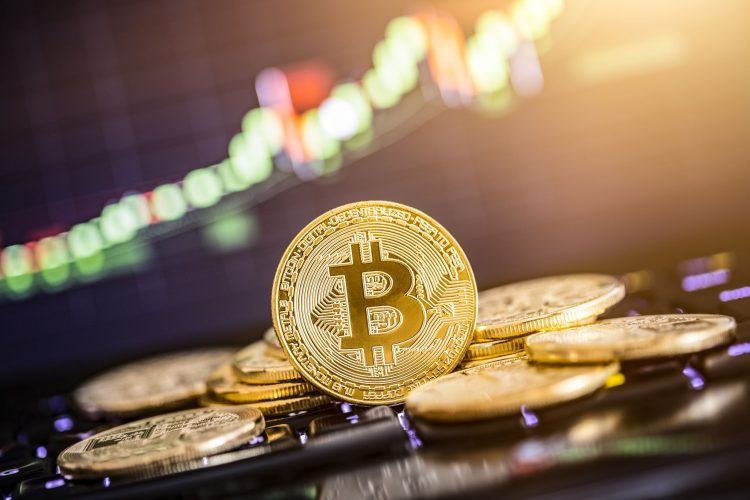
Photo credit: https://www.123rf.com/profile_scyther5
She says the proposal by the Inland Revenue Authority of Singapore (IRAS) could potentially spur more innovation from entrepreneurs in the field of blockchain-based services and solutions.
The IRAS recently issued a draft e-Tax guide explaining the proposed exemption from the 7% tax for digital payment tokens. It coincided with a Ministry of Finance consultation on its draft GST (Amendment) Bill 2019 this month. The Ministry’s consultation period closed last week.
“The IRAS recognizes that taxing cryptocurrencies that function, or are intended to function, as a medium of exchange (digital payment tokens) results in two tax points: once on the purchase of the cryptocurrency and again on its use as payment for goods and services subject to GST,” the authority said in the draft guide.
The waiver would level the playing field in terms of taxation between digital payment tokens and conventional money, industry players have said. And it would make Singapore’s sales tax regime similar to other jurisdictions such as Australia, Japan, Switzerland, and the European Union, which have also updated their tax rules for digital currencies in recent years, the Ministry of Finance said.
The proposed rules seem to suggest that as long as the token has the features of a digital payment token as defined by the guide, such proceeds from ICO could also be exempted from GST, says Ho.
Last year, there were 650 ICOs globally, raising US$16.7 billion. But they have mostly dried up in Asia, industry participants said, as stricter regulations and the failure of many projects to take off have halted their issuance.
The IRAS defines a digital payment token as one that can be expressed as a unit, is “fungible” – replaceable by another identical item – and is not denominated in or pegged to any currency. It cites bitcoin, ethereum, litecoin, dash, monero, ripple, and Zcash as examples.
It also should be a medium of exchange broadly accepted by the public. This excludes game credits, or loyalty points issued by retailers or online platforms.
Ho says cryptocurrency exchanges and asset managers may also benefit from the sales tax exemption for tokens.
In both Singapore and Hong Kong, businesses that offer trading services for cryptocurrency securities or cryptocurrencies, or provide a service in managing investments on behalf of clients, are subject to corporate tax as long as the profits they generate are considered to be sourced onshore.





Stay updated on the go with our mobile app.
Get latest insights with smoother, more personalized experience through TIA mobile app.