- Premium Content It takes our newsroom weeks - if not months - to investigate and produce stories for our premium content. You can’t find them anywhere else.
 Putra Muskita · · 6 min read
Singapore’s AI scene needs more doers and less talkers, says Reka founder
As AI fever takes hold everywhere from Silicon Valley to Shenzhen, one early-stage startup – with Singaporean and Indonesian co-founders – is taking the fight directly to the big guns.
Reka, whose large language models (LLMs) can be used for the likes of online customer support and caption generation, emerged out of stealth mode in July 2023. Less than a year later, the company launched multimodal language models that are “competitive” with similar offerings from OpenAI, Google, and Anthropic.
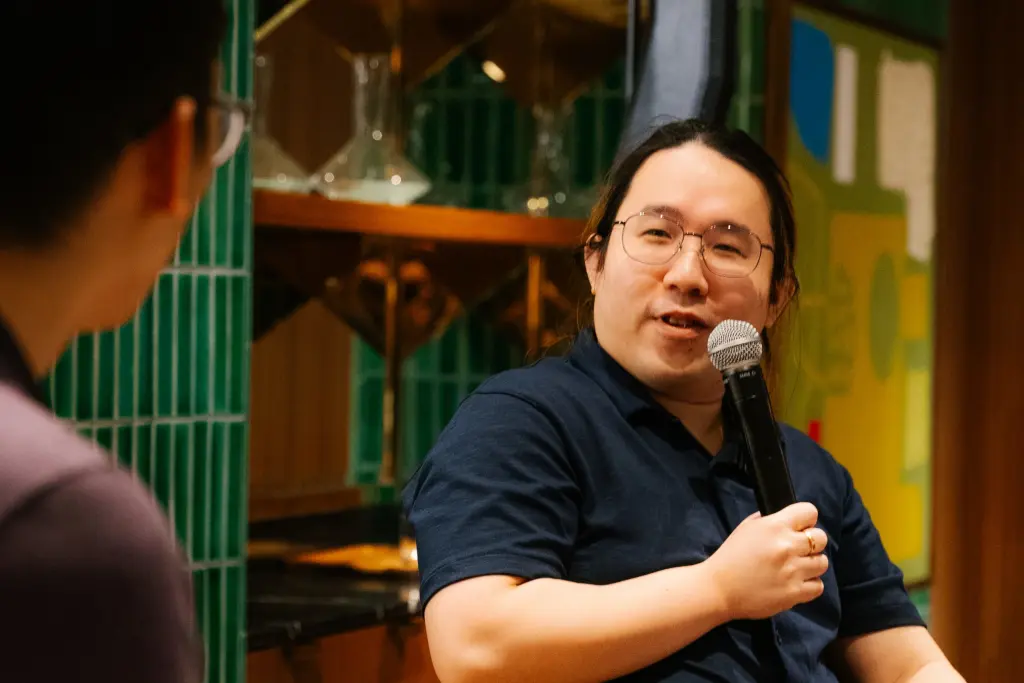
Reka co-founder and chief scientist Yi Tay / Photo credit: Tech in Asia
Valued at US$300 million during its 2023 fundraise, Reka’s newcomer status didn’t stop data cloud giant Snowflake – one of the startup’s customers as well as an investor – from pursuing a rumored US$1 billion acquisition. The talks reportedly ended without a deal, and chief scientist Yi Tay declined to comment when asked by Tech in Asia.
Reka’s quick trajectory is perhaps less surprising once you know the team’s caliber: four out of five co-founders came from Google’s Brain and DeepMind teams.
That includes Tay, who hails from and is based in Singapore. At a meetup for Tech in Asia’s paying subscribers, he talked about the startup’s beginnings, how staying small has been a competitive advantage, as well as the AI trends to look out for – including where Singapore stands in its quest to become a global AI hub.
More coding, less meetings
Reka’s rise has put Tay squarely in the middle of not just AI’s increasing importance globally, but also Singapore’s own ambitions in the field.
The city-state has launched a revised national AI strategy and invested over S$1 billion (US$742 million) in the industry, while inviting the likes of Nvidia and AWS to make AI-related investments there.
But for Tay, Singapore’s path would require a “paradigm shift” – at least when it comes to the government. While not unique to the city-state, Tay finds that senior officials in any government may not understand that, in AI, individual contributors are the ones making the most impact.
In other words, “the people making impact are the people who are on the ground,” he said.
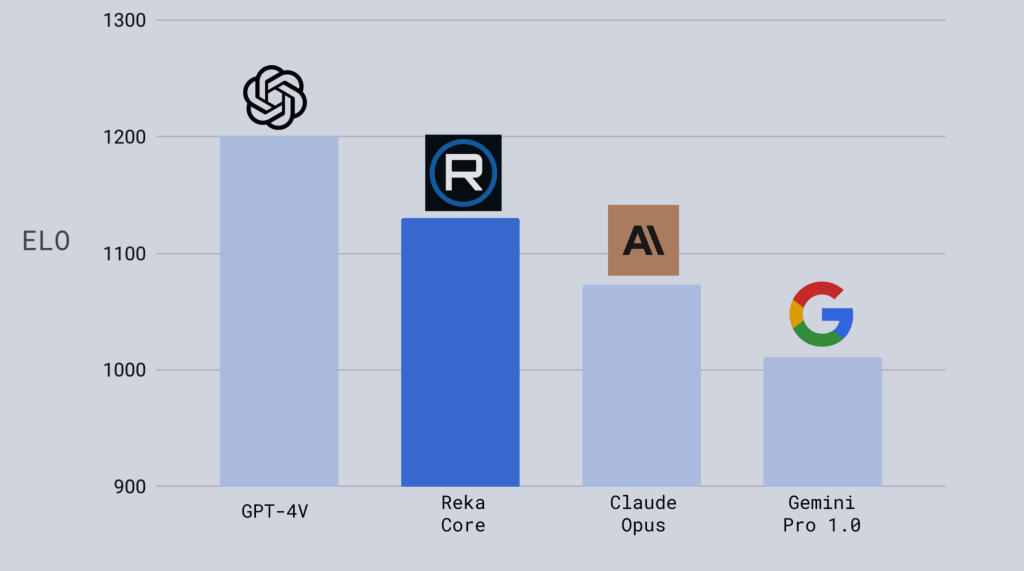
A table comparing the performance of Reka’s multimodal LLM, Reka Core, against rivals / Photo credit: Reka
That is the case not just at Reka, but also at the likes of Google DeepMind, OpenAI, and other so-called “frontier labs” – a term referring to companies working on highly capable, general purpose AI models like ChatGPT or Gemini.
In this sense, AI is different from – and “a little bit harder” than – software engineering when it comes to the level of difficulty in making impact and breakthroughs, said Tay. Here, it’s about getting very senior people who are hands-on and have a lot of experience, not “management-style people” that “think they know what they’re doing, but they actually don’t know,” he noted.
Beginnings at Google Brain
Staying small
Why AGI is still fuzzy
Stay ahead in Asia’s tech landscape
This is premium content. Subscribe to read the full story.
The city-state needs a “paradigm shift” by recognizing that in AI, even the most senior people write code, said Reka’s Yi Tay.
We know this is not ideal. ⌛ Sign up in 20 seconds. Cancel anytime.
Our subscriber community includes professionals from these companies:





Stay updated on the go with our mobile app.
Get latest insights with smoother, more personalized experience through TIA mobile app.