Frank Tang · · 3 min read
Facebook’s Libra pushes China to step up cryptocurrency plans, says central bank
Facebook’s plan to create its own cryptocurrency have forced China’s central bank to step up research into creating its own digital currency, as Libra could potentially pose a challenge to Chinese cross-border payments, monetary policy, and even financial sovereignty, a People’s Bank of China (PBOC) official said on Monday.
“If [Libra] is widely used for payments – cross-border payments in particular – would it be able to function like money and accordingly have a large influence on monetary policy, financial stability, and the international monetary system?” asked Wang Xin, director of PBOC’s research bureau during an academic conference hosted by Peking University’s Institute of Digital Finance.
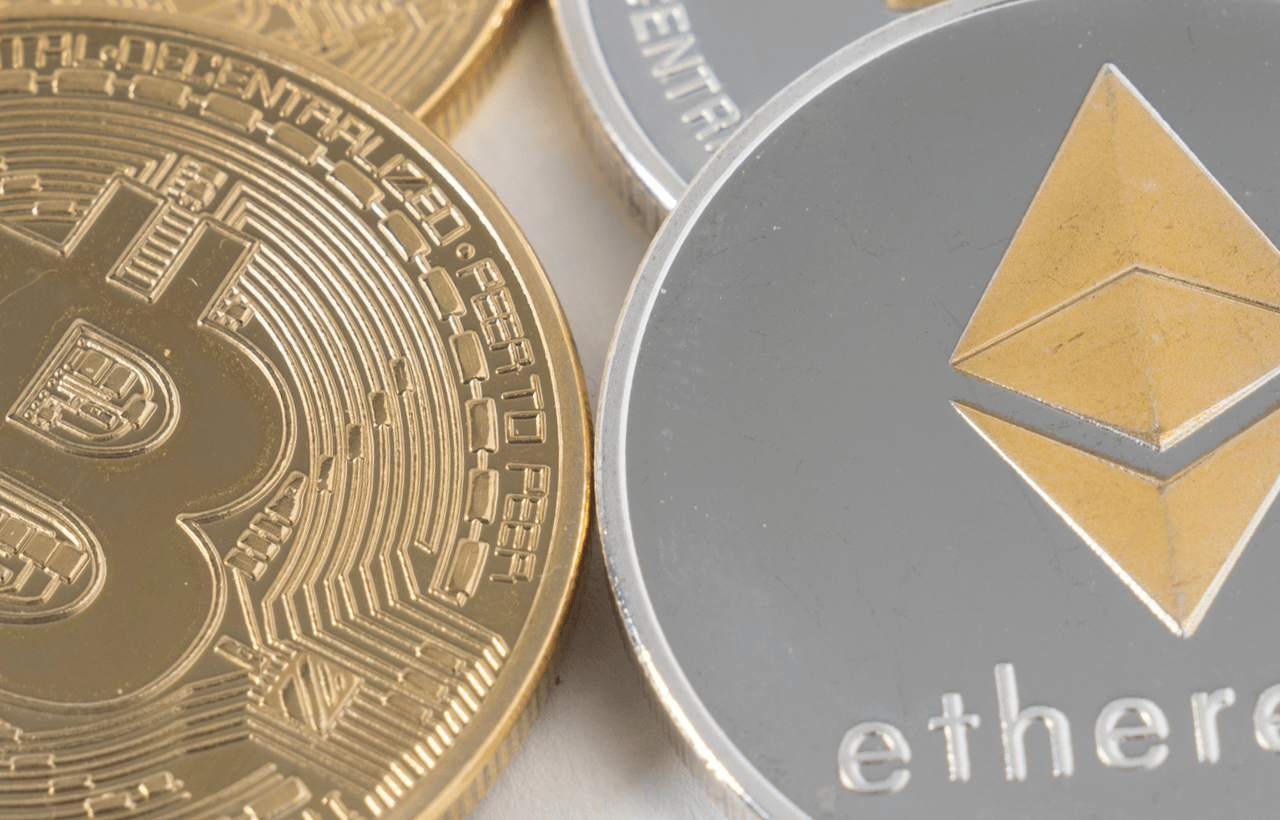
Photo credit: Thought Catalog / Unsplash
According to Wang, PBOC has been paying “high attention” since Facebook released in June a white paper that outlines its plans to create its own long-awaited cryptocurrency and a related blockchain-based financial infrastructure project.
PBOC was the first major central bank to study digital currencies in 2014 – a step to counter the challenge from cryptocurrencies like bitcoin – with a research institution set up in 2017 to further facilitate the research.
“We had an early start… but lots of work is needed to consolidate our lead,” Wang added.
China maintains a blanket ban on new listings or trading of any digital currency, including bitcoin, as Beijing regards digital tokens as a source of financial risk. At the same time, China’s central bank has been longing for a “sovereign” digital currency that would fall under its control, although it has so far made little progress.
Concerns have risen, in some quarters, that Libra will fuel a new round of international currency competition and a challenge to financial sovereignty. According to Facebook’s white paper, Libra will be linked to a basket of major currencies and governed by a Switzerland-based nonprofit consortium, the Libra Association. The consortium includes more than two dozen companies, including Visa, Mastercard, PayPal, Stripe, eBay, and Uber.
China wants to know, in particular, the composition of the currency basket and the role the US dollar will play.
“If the digital currency is closely associated with the US dollar, it could create a scenario under which sovereign currencies would coexist with US dollar-centric digital currencies. But there would be, in essence, one boss, that is the US dollar and the US. If so, it would bring a series of economic, financial, and even international political consequences,” Wang warned.
To cope with Libra, many countries could be forced to issue their own central bank digital currencies, develop Libra-like products, or resort to a new international digital currency based on the International Monetary Fund’s Special Drawing Rights. The Special Drawing Rights basket of currencies currently includes the Chinese yuan, along with the US dollar, the euro, the Japanese yen, and the British pound.
After receiving approval from the State Council, PBOC has been working with market institutions on creating a central bank digital currency, according to Wang. However, there have been no public announcements of progress.
At Monday’s conference, an open research initiative on digital finance was inaugurated, which will harness the academic resources of top Chinese universities – including Peking University, Renmin University, Zhejiang University, and Shanghai Jiao Tong University – to accelerate research.
Huang Yiping, a Peking University professor and the rotating current chairman of the research initiative, said China had done well in promoting financial inclusiveness with digital finance, in contrast to the US.





Stay updated on the go with our mobile app.
Get latest insights with smoother, more personalized experience through TIA mobile app.