Terence Lee · · 9 min read
Singapore needs an ICQ moment, says investor Arnon Kohavi
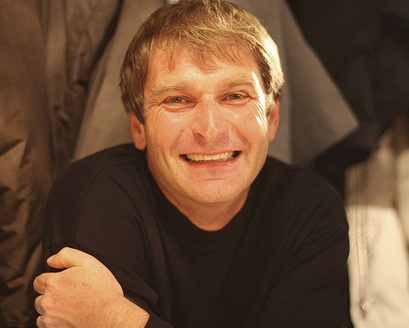 For those of you who have been following the tech startup scene closely, you would have heard of Arnon Kohavi, an Israeli investor who tried but failed to set up a venture capital firm in Chile. As a result, he shifted his new fund, Yarden VC, to Singapore.
Writing to US tech blog TheNextWeb, he talked about the reasons why he left the Latin American country after six months, and highlighted the many drawbacks of the startup environment over there. This was after he proclaimed that “the next Skype, Facebook or MercadoLibre will have to come out of Chile.”
The interview sparked off an intense debate.
A Start-Up Chile participant wrote in to TheNextWeb to express disappointment at Arnon, questioning his commitment to Latin America. Sarah Lacy, formerly a columnist at TechCrunch, went even further, suggesting that Arnon is a fraud.
“Arnon Kohavi. Remember that name, don’t give him money and don’t let him invest in your startup,” she warned in her acerbic article.
But Arnon has many supporters too, which included many Chileans who agreed with his observations and even supported his decision not to put any money in the country.
Since that controversy, Arnon has been quietly spending the past three and a half weeks in Singapore, meeting people in the startup ecosystem, including entrepreneurs, investors, incubators, and public servants. He was even a judge at a Founder Institute event and was also involved in the recent DEMO Asia auditions.
His goals, he says, includes getting “a good sense of the ecosystem and how each group in each country relate to one another,” and also raising money from individuals and institutions both in Singapore and the region, to the tune of US$40M.
SGE: So how’s progress on the fundraising?
Arnon Kohavi: Well I’ve only spent a few weeks here so it’s more to learn, meet the people and understand the ecosystem. I’m starting to make trips outside of Singapore to the countries in the area. In the coming weeks, I’ll be going to be in India, Vietnam, Indonesia, and several other countries.
SGE: When you do raise the funds, how many startups are you planning to invest in?
AK: A VC fund in this region needs to do “seed plus” investments — invest in 20, 30 fairly early stage companies, and then keep funding them as they grow and show promise.
I would say the funds here needs to invest in more companies than the traditional VC in Silicon Valley. The reason is because you have to hold the hand of the company, you have to work with the company from a fairly early stage, because there’s not as many co-investors and syndication as compared to other countries and you don’t have bigger funds take over the investments because these funds don’t exist as much.
In Silicon Valley, the magnitude is bigger, so you have a lot of meetups and events, much more than anywhere else in the world, so you can easily talk to people, find people to join your startups. It’s very easy to get mentors and serial entrepreneurs to help. There’s a very developed angel network and a very developed early stage VC network. The critical mass and the ecosystem is there.





Stay updated on the go with our mobile app.
Get latest insights with smoother, more personalized experience through TIA mobile app.