- Premium Content It takes our newsroom weeks - if not months - to investigate and produce stories for our premium content. You can’t find them anywhere else.
 Samreen Ahmad · · 3 min read
ShopBack feels the pinch as voucher revenue dips 50% in FY23
ShopBack Group, a Singapore-based cashback and rewards platform, posted US$87.7 million in revenue for the financial year ended March 2023, a 20% year-on-year decline.
The Temasek-backed startup’s voucher revenue fell by more than 50% over the same period.
The company’s losses before tax also widened by 29% year on year as one-off employee and M&A expenses affected growth. In contrast, ShopBack had seen a slight improvement in losses for FYE 2022 compared to the previous financial year.
Founded by former Zalora executives Henry Chan and Joel Leong in 2014, ShopBack gives its customers a fraction of their money spent each time they shop with its partner merchants.
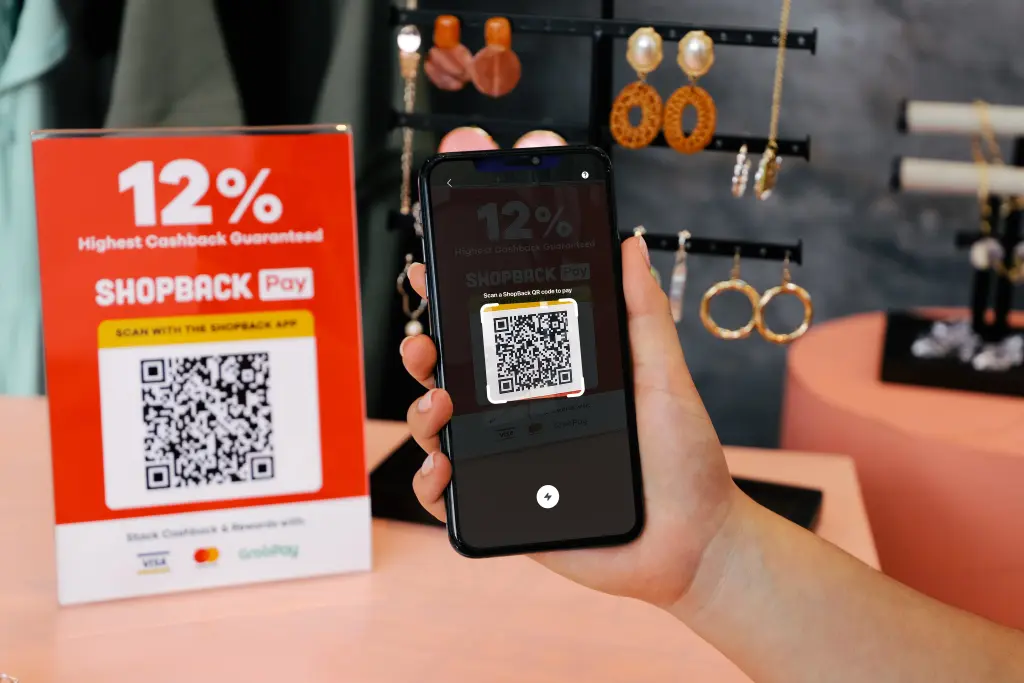
Photo credit: ShopBack
Vouchers to drive growth
Vouchers “remain a significant and growing part of ShopBack’s business in selected markets,” a company spokesperson told Tech in Asia. The firm declined to comment further on which markets these are.
It explained that the decline in voucher revenue was primarily due to “differential accounting treatments” for inventory and consignment vouchers.
According to the company, revenue from vouchers purchased on inventory is recognized on a gross basis. This is higher than those sold on consignment, where revenue is recognized on a net basis.
In FYE 2023, ShopBack sold more vouchers on consignment as compared to inventory, which led to lower top-line figures.
However, the company did not comment further on this.
ShopBack earns voucher revenue from commissions of sales, which it does so in two ways: selling digital vouchers on behalf of merchants and selling them directly to users.
For direct sales, the company purchases digital vouchers in advance and sells these to customers through its own rewards and discovery platforms. ShopBack recognizes the amount collected from the users as voucher revenue, with purchase price paid to merchants as “cost of sales.” It bears the inventory risks for unsold vouchers in such instances.
In contrast, the commissions earned from selling digital vouchers on behalf of merchants represent the difference between the amount collected from the users, net of cashbacks, and the predetermined purchase price that is payable to the merchant.
The company also added a new revenue source by entering the buy now, pay later segment after its acquisition of Hoolah in November 2021, although this remains small compared to overall revenue.
One shutdown, one expansion
Getting market-ready
Stay ahead in Asia’s tech landscape
This is premium content. Subscribe to read the full story.
While it has closed its pay-later business in Thailand, the cashback and rewards platform is expanding to Germany.
We know this is not ideal. ⌛ Sign up in 20 seconds. Cancel anytime.
Our subscriber community includes professionals from these companies:





Stay updated on the go with our mobile app.
Get latest insights with smoother, more personalized experience through TIA mobile app.