Malavika Velayanikal · · 13 min read
Erotic ecommerce gains steam in India, despite ‘culture police’ and shy investors
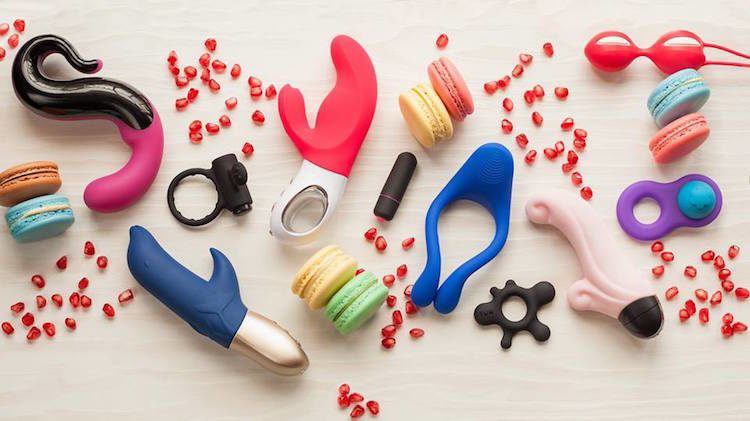
Photo credit: LoveTreats.
Vibrating duckling. Lucky ball masturbator. Amorino – a rabbit with a twist. Pleasure tunnel. Lovers’ candy bra. S&M intro kit. Blindfold & handcuffs set. Orgy love dice. No, I am not picking them out of Fifty Shades of Grey nor making them up for kicks. They are just a few of the many sex toys that have caught the fancy of adventurous Indians discovering the joys of ecommerce – where e stands for erotic.
A big chunk of Indian society still likes to pretend sex doesn’t exist but that hasn’t yet stopped anyone from doing it for procreation, obligation, recreation, or even revenge. Lately, the recreational element of this basic human instinct has got a bit of a push with intrepid entrepreneurs launching estores for sex toys and wellness products that promise better sex.
The sexual wellness market in India is expected to grow at an average rate of 34.8 percent per year from 2014 to 2019.
Are you wondering if “intrepid” is a touch of overkill? Well, no. If you thought ecommerce was tough, try selling sex toys in India – that might have you change your definition of tough.
There is probably no other country like India with its enormous sexually active population. Just 34 percent of its 1.3 billion people are below 14 years old or above 65. Who on earth can beat that?
The sexual wellness market in India is expected to grow at an average rate of 34.8 percent per year from 2014 to 2019, according to Technavio. It estimates the current market size of the category in India to be around US$227.8 million while globally it is over US$22 billion.
Hurdles, one too many
But we’re a country of prudes. And also some archaic laws, which often prove handy for ‘conscientious’ citizens and the moral police.
Section 292 of Indian Penal Code 1860 prohibits the sale, distribution, possession, and circulation of obscene objects. What is “obscene” is not clearly defined. So every once in a while, someone will send a complaint to the courts, who will then force the police to investigate the matter and submit a report. Last year, ecommerce titan Snapdeal was pulled up for selling lubricants, massagers, and vibrators. The complainant accused Snapdeal of “abetting gay sex and exhibiting obscene products.”
The fear of such legal hassles prompted Ute Wiemer and Balaji TV, co-founders of sexual wellness estore Lovetreats to spend months on legal research before starting up. They hired a lawyer to go through all the past cases about sexual wellness products in India. They made sure they understood the legal side of the business and knew how to stay out of the grey areas, before launching Lovetreats in October 2015 in Bangalore.
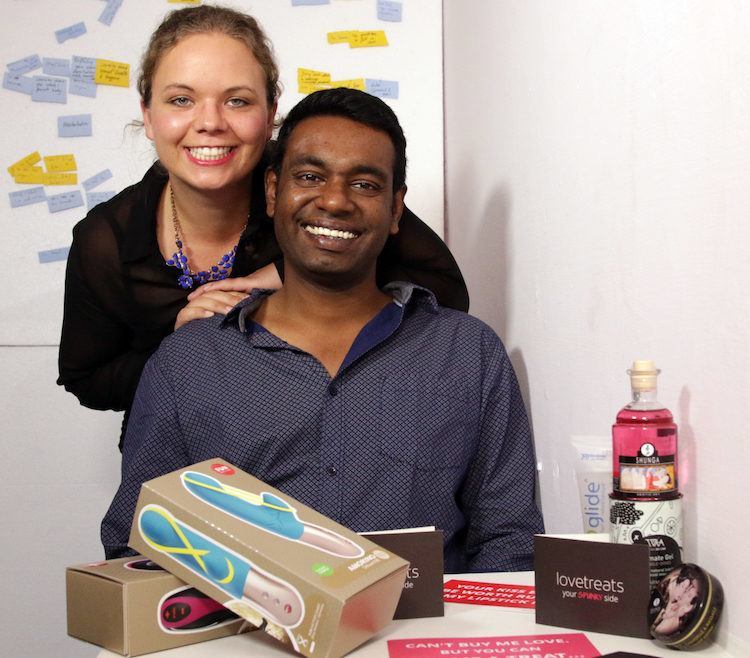
Ute Wiemer and Balaji TV, co-founders of Lovetreats.
Ute – as you’d have noticed from her name – is German. She came to India on a six-month fellowship to work with The FairTrade Foundation, a global organization for farmers and workers. Here, she realized that her idea of Indian women – shy, conservative, prudish – was far from reality. “I met so many cool women – they just didn’t fit into the image of stereotypical Indian women. These women were very open, sexually empowered, confident using Tinder … a lot of conversation got going. And they told me that whenever one of them goes abroad, she brings back sex toys and sexy lingerie for their friends – things which weren’t easily available in India,” Ute says.
You may kiss. A little dispassionately, if you will.
Can we separate sex from sleaze, please?
The big, hard marketing barricade
No love from investors
Sex over the counter





Stay updated on the go with our mobile app.
Get latest insights with smoother, more personalized experience through TIA mobile app.