Sign up for the Daily Newsletter, sent exclusively to our premium subscribers. We break down the big and messy topics of Asia’s tech and startup community. Get the newsletter in your inbox everyday with a premium subscription.
Hello reader,
The first time I bought something on Shein, I was astonished at how quickly my order turned up at my doorstep. It only took a few days to get to Singapore from China.
I remember wondering about the kind of logistics infrastructure the company had in place and how efficient its ecosystem was. My friends told me that this was an occupational hazard in action, because no one thinks that hard about how their package got to them. But its speed in fulfilling orders is a testament to how and why Shein has captured the hearts and wallets of so many people around the globe.
However, the company is facing some headwinds, particularly in the US. A tax exemption that has let Shein import its goods into the country tax-free is likely on the chopping block. While its rival Temu looks like it won’t be too affected by any potential change, Shein will need to rethink a few things to stay ahead of the game.
Today we look at:
- How Shein needs to switch up its logistics and supply game for the US
- A fashion quick commerce startup that’s just raised funds
- Other newsy highlights such as Physics Wallah’s IPO plans and a new VC fund focused on maritime technology
Premium summary
The power of logistics
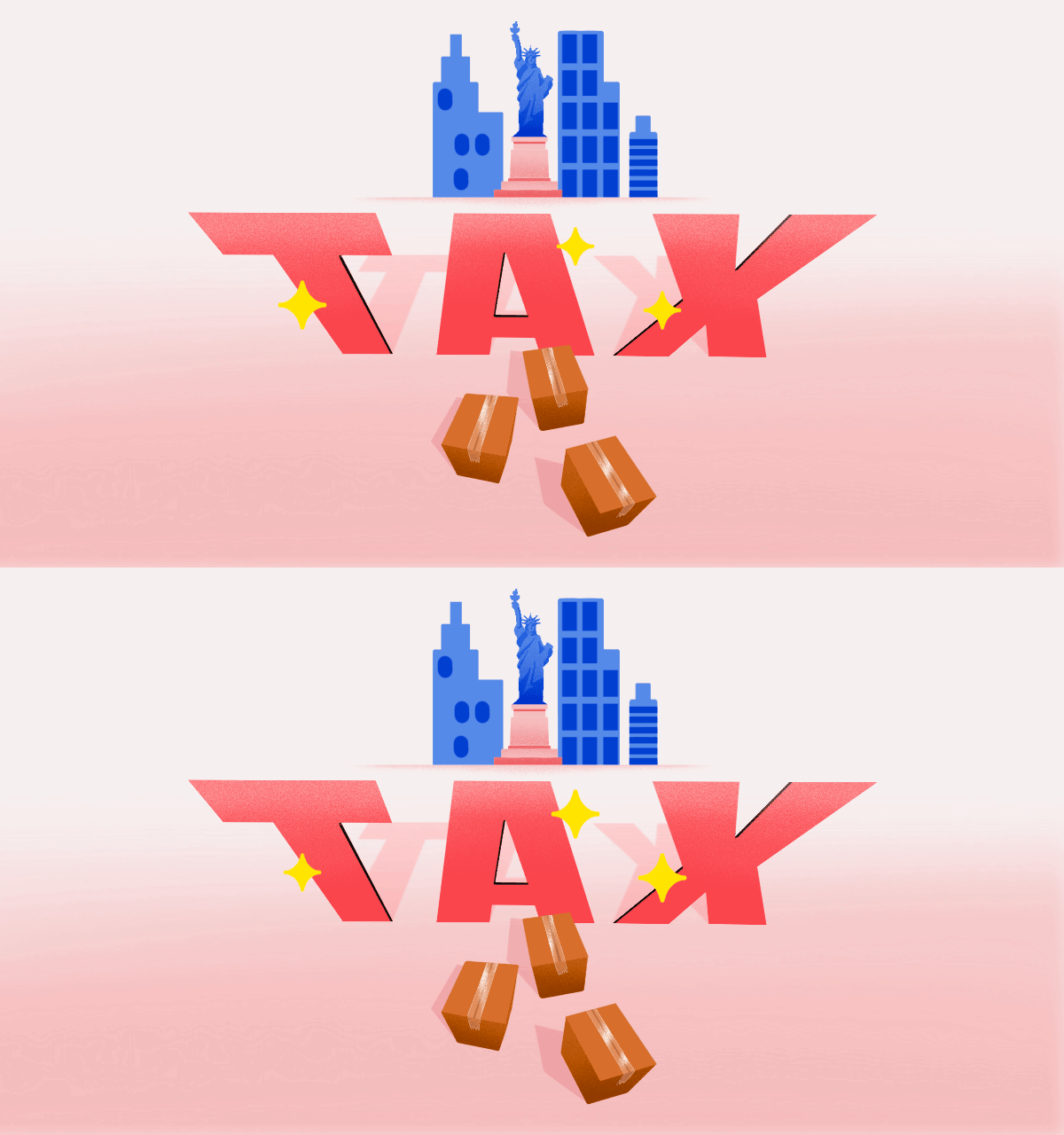
Image credit: Timmy Loen
The writing is on the wall – sooner or later, the US will eliminate its de minimis exemption, which allows goods valued at less than US$800 to enter the country duty-free.
- The most at risk: Shein will likely be hit hard by this move. It would lead to import tariffs on nearly every order from the US, eroding the company’s cost advantage and forcing a shift in its logistics and supply chain strategy.
- Not such a big impact: On the other hand, Temu has less to worry about. Its semi-consignment model – where merchants ship bulk inventory to US warehouses before the platform sells them – reduces its reliance on de minimis benefits.
- What’s the solution? Shein’s business model means that it can’t adopt Temu’s semi-consignment approach. Instead, it’s looking at other solutions such as investing in nearshore production.
Read more: Temu’s logistics power play puts Shein on the defensive in the US
Startup spotlight
Literally fast fashion

Commit to resilience, innovation, and strategic partnerships
Quick bytes





Stay updated on the go with our mobile app.
Get latest insights with smoother, more personalized experience through TIA mobile app.