- Premium Content It takes our newsroom weeks - if not months - to investigate and produce stories for our premium content. You can’t find them anywhere else.
 Gabriel Budi Sutrisno · · 6 min read
Shaking up alternative proteins: Can this SG startup turn red ink into green?
The US alternative protein industry is traditionally dominated by cell-based chicken and whey proteins. But one Singapore-based biotech firm is poised to disrupt the market – both there and in its home country.
TurtleTree produces lactoferrin, a nutrient found in milk. While the protein is elusive – one liter of cow’s milk contains just 0.5 grams of lactoferrin – a 0.1 gram serving is enough to provide benefits around gut health, immunity, and iron binding, TurtleTree co-founder and CEO Fengru Lin tells Tech in Asia.
“Meanwhile, you need 42 grams of whey per serving to get its bulking or muscle-building effect,” she adds.
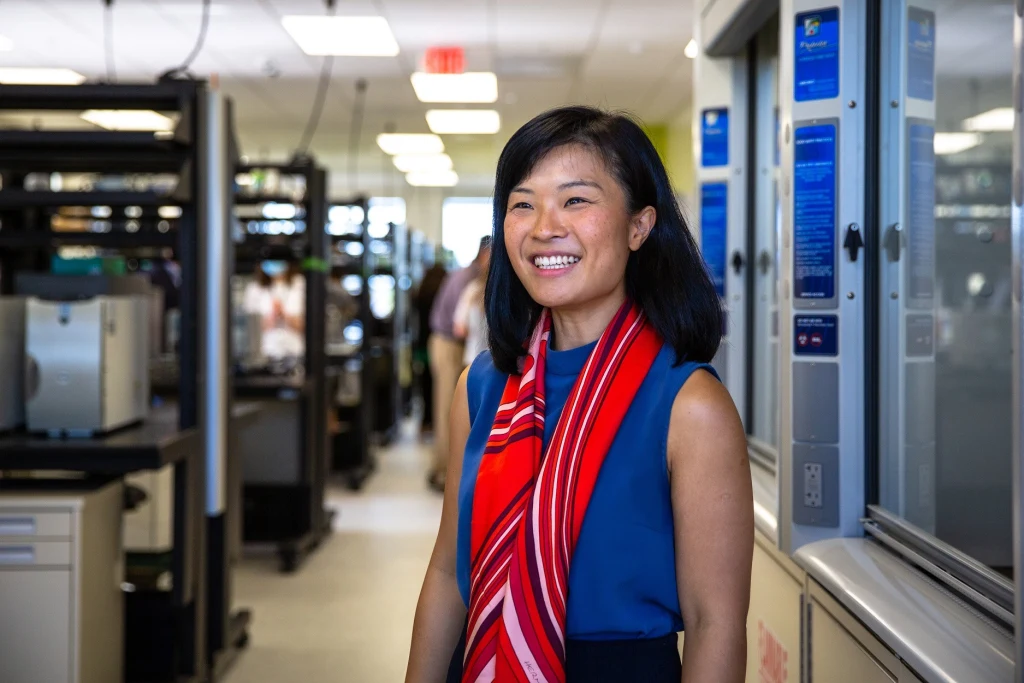
TurtleTree co-founder and CEO Fengru Lin / Photo credit: TurtleTree
But unlike traditional lactoferrin producers, Turtletree – which was founded in 2019 – produces lactoferrin through precision fermentation. Its LF+ product, which features fermentation-derived lactoferrin and yeast prebiotics, serves as a “direct alternative to cow’s milk-derived lactoferrin, addressing supply gaps,” the company says in a statement.
TurtleTree is preparing for a US launch in the first quarter of 2024. To that end, it has obtained self-affirmed GRAS (generally recognized as safe) determination for its product, which means it has independently ascertained its safety prior to a review by the US Food and Drug Administration (FDA).
Besides the US, TurtleTree will also sell products in its home market. This will come amid the Singapore government’s “30 by 30” target, where the country aims to locally produce 30% of domestic nutritional needs by 2030.
See also: Is Singapore’s ‘30 by 30’ food security goal too far-fetched?
“We really see ourselves at the center of the 30 by 30 goal because the food products we are able to produce have no reliance on animal agriculture. We just need giant steel tanks, which can be situated anywhere in the world,” Lin explains.
Optimizing cost structures for profitability
When TurtleTree first started in 2019, it aimed to produce cell-based milk instead of lactoferrin.
However, the nutrient – which can be incorporated into products such as protein powders, energy drinks, and multivitamins, as well as meal replacements designed for the elderly – can sell for US$750 to US$1,500 per kilogram, making it one of the most expensive dairy ingredients. In comparison, whole milk trades at under US$5 per gallon.
This is because of lactoferrin’s relative scarcity: it takes 10,000 liters of milk to produce just 1 kilogram of purified lactoferrin.
Due to its high value, lactoferrin’s trading price could offset TurtleTree’s production costs despite the complicated processes and large quantities of materials needed, explains Lin.
This will allow the company to achieve gross profit once it hits commercial production next year, she adds. It aims to earn US$500 million in revenue for the next four years.
Four years of research
Stay ahead in Asia’s tech landscape
This is premium content. Subscribe to read the full story.
TurtleTree produces lactoferrin, which has benefits in gut health and iron binding. Its scarce supply may let it avoid the “commoditization trap.”
We know this is not ideal. ⌛ Sign up in 20 seconds. Cancel anytime.
Our subscriber community includes professionals from these companies:





Stay updated on the go with our mobile app.
Get latest insights with smoother, more personalized experience through TIA mobile app.










📅 Upcoming Events
22 October 2026
Payoneer x CSPN Summit 2026