- Premium Content It takes our newsroom weeks - if not months - to investigate and produce stories for our premium content. You can’t find them anywhere else.
 Nicole Jao · · 7 min read
Tencent’s “dog-eat-dog” gaming empire
When Tencent’s blockbuster multiplayer online battle arena game Honor of Kings (internationally known as Arena of Valor) rolled out in 2015, it had a fierce competitor – We MOBA.
Here’s what’s peculiar: Both games were created by Tencent. Honor of Kings was developed by TiMi Studios and We MOBA was housed under Lightspeed & Quantum Studios, which are both in-house developer groups in the company.
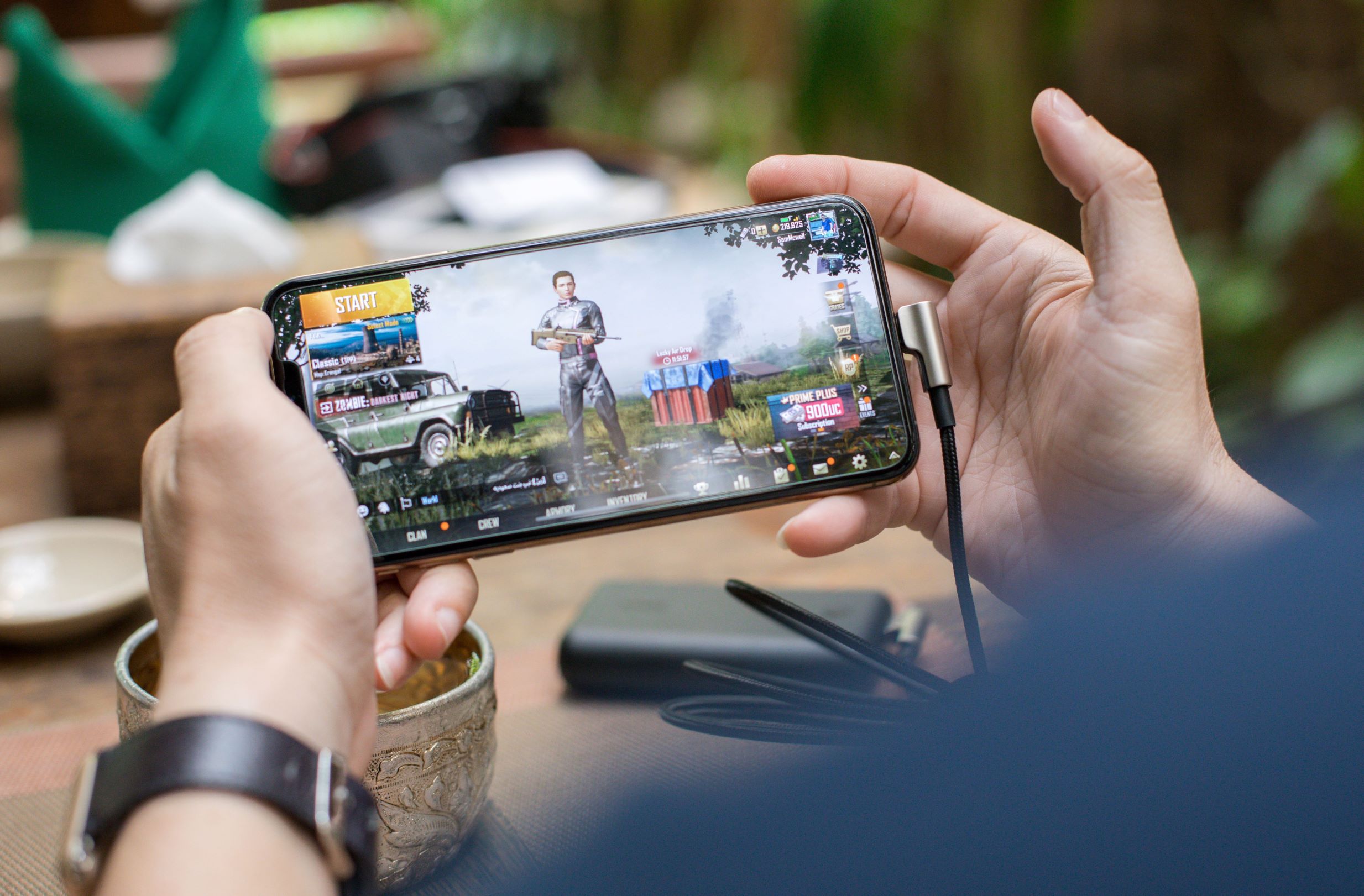
A player playing PUBG Mobile. (Photo credit: Unsplash)
The market immediately crowned Honor of Kings the better game of the two. Consequently, Tencent allocated its promotion, marketing, and distribution resources toward the title, which went on to dominate global download charts and emerged sixth in the rankings for consumer spending, according to estimates by app analytics firm App Annie.
We MOBA, on the other hand, saw sluggish sales and was eventually discontinued in 2019.
Tencent Games’ empire relies heavily on this approach, pitting internal studios against each other and letting consumers decide on the victor. While this is a recipe for constant improvement and innovation, the approach could lead to an overemphasis on profit-making and may eventually suffocate innovation.
Betting on the “horse race”
The “horse race” approach, as Tencent calls it, underlies the success of many of its flagship products. In fact, the company’s messaging app WeChat is the product of internal rivalry, as founder and CEO Pony Ma once said.
Back in 2010, QQ, a popular messaging platform developed by Tencent, was tasked to resolve a slew of mobile messaging issues. Three teams were given the assignment – QQ, QQ Mobile, and QQ Mail. The version created by QQ’s mail service eventually came out on top and became WeChat as we know it.
In the wider game development industry in China, this Darwinian approach is commonly referred to as the “yang gu” model, which is a term with a rather sinister meaning. It stems from a traditional method of making poison by sealing venomous creatures (such as centipedes, snakes, or scorpions) inside a closed container, where they devour each other.
Within Tencent, in most cases, the team that makes the more popular version of a game not only gets to bask in the halo of prestige but also gains access to the coveted game promotion and distribution channel WeChat.
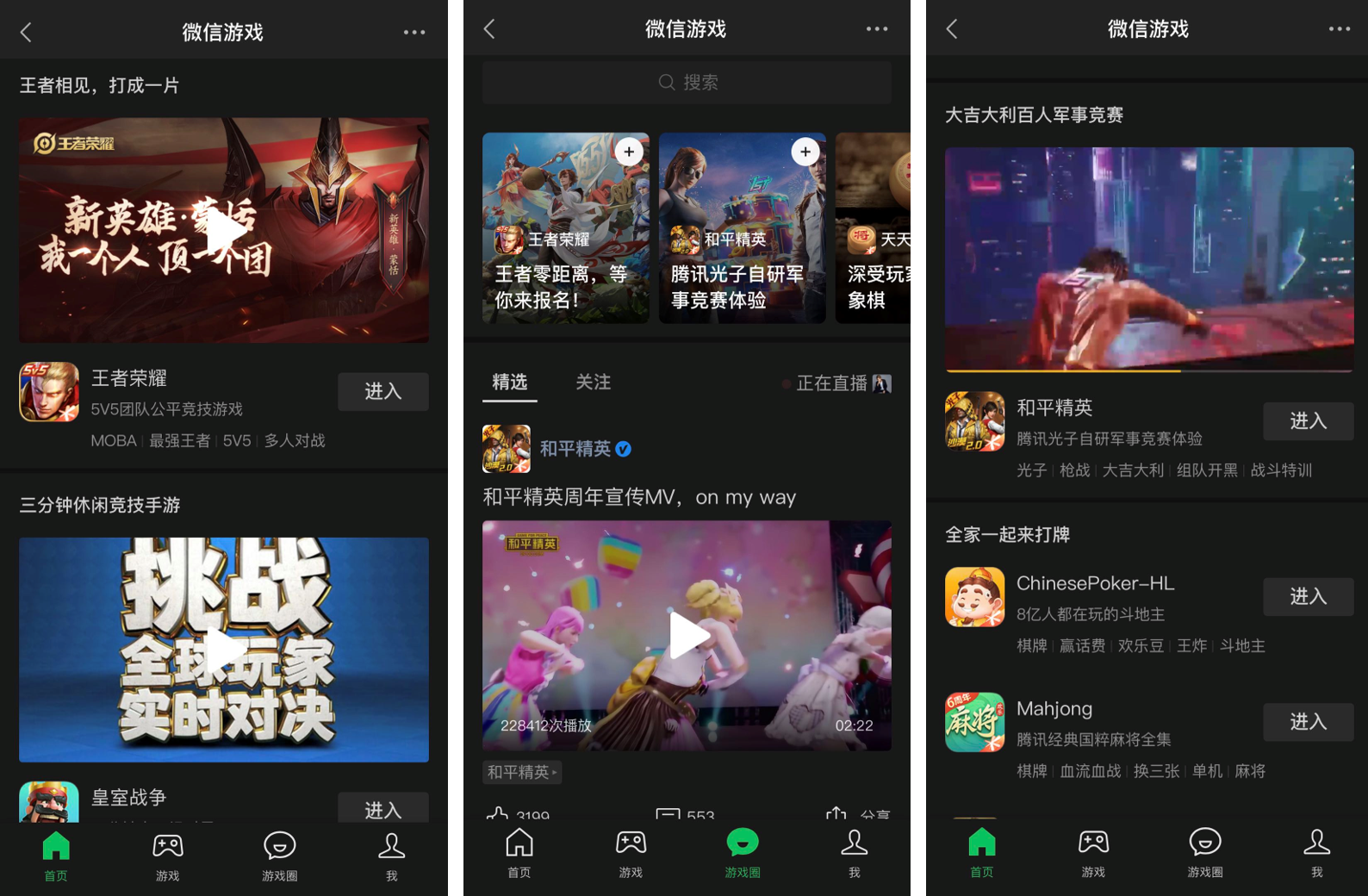
Screenshot of Tencent Games mini-app in WeChat.
“The rivalry between game studios is fierce. Whoever lags behind, gets eliminated,” a Tencent Games developer tells Tech in Asia.
The ongoing battle between TiMi and Lightspeed & Quantum, two of Tencent’s most well-known studios, is no secret in the game development scene either. After TiMi triumphed with Honor of Kings, the battle between the groups flared up again in 2018 when Tencent struck a deal with Bluehole Studio for the exclusive distribution rights to hit battle royale game PlayerUnknown’s Battlegrounds (PUBG) in China. The studios were assigned the task to build the mobile version of the game.
A fight for survival
Stunting innovation
Stay ahead in Asia’s tech landscape
This is premium content. Subscribe to read the full story.
The “horse race” approach that cultivates internal rivalry is the key to Tencent’s dominance in China’s lucrative gaming industry.
We know this is not ideal. ⌛ Sign up in 20 seconds. Cancel anytime.
Our subscriber community includes professionals from these companies:





Stay updated on the go with our mobile app.
Get latest insights with smoother, more personalized experience through TIA mobile app.