 Jonathan Chew · · 8 min read
GVV 8: Grab’s latest accelerator graduates share their takeaways

Summary:
- Grab Ventures Velocity (GVV) Batch 8 supported five Indonesian startups – Sirsak, Liberty Society, Jejakin, Rekosistem, and Casion – to pilot sustainability-driven innovations.
- Participants got valuable mentorship, tie-ups, and integration opportunities that helped validate their solutions, refine operations, and strengthen their business models for scale.
- Grab and its partners emphasized that GVV serves as a learning platform fostering responsible innovation, with future batches focusing on scalability and long-term sustainability in Indonesia’s green digital economy.
- Take your startup’s future into your own hands and check out the accelerator program.
Ever seen this infamous scene from Full Metal Jacket showing the start of a bootcamp?
While definitely not as intense as this 1987 war film, startup accelerator programs share the same goal: Put participants through a focused series of lessons to drive maximum learning value in the most efficient way possible.
For Southeast Asian super app Grab, this takes the form of Grab Ventures Velocity (GVV), an accelerator organised in partnership with Superbank, an Indonesian digital-focused bank, as well as Genesis Alternative Ventures, a leading Southeast Asian venture debt fund. For the unfamiliar, GVV is designed to provide holistic support for founders in Indonesia, helping them understand what it truly means to grow their startups.
The program recently concluded its eighth batch, which focused on startups tackling climate challenges ranging from carbon emissions to EV charging.
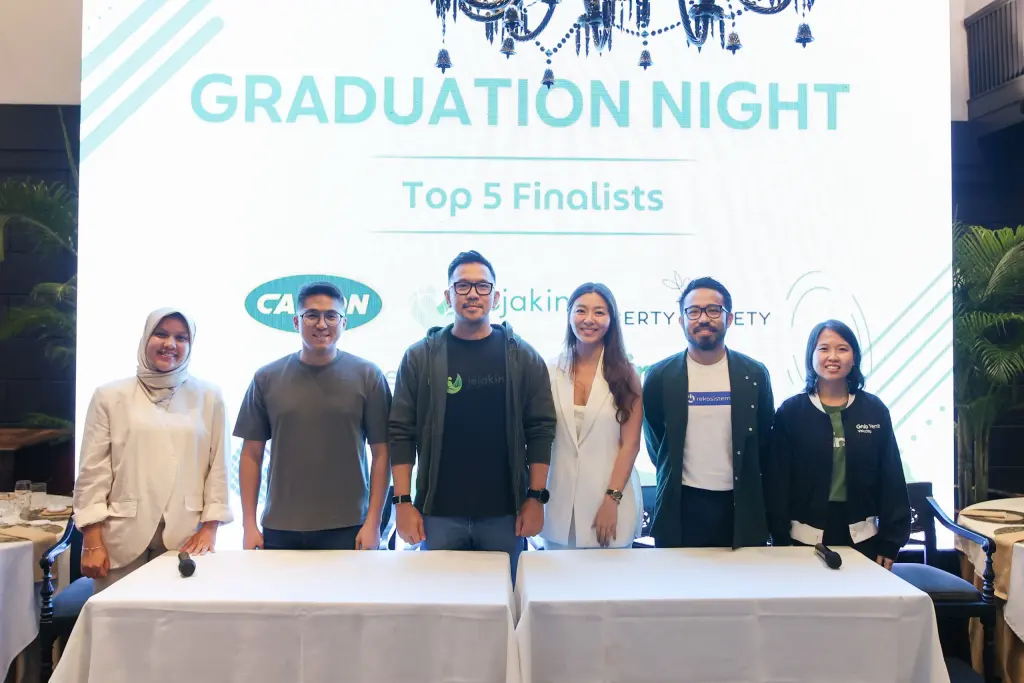
Founders from the five startups in GVV Batch 8, along with Rivana Mezaya (first from left), director of digital and sustainability at Grab Indonesia / Photo credit: Grab
Tech in Asia spoke with founders who were part of GVV’s Batch 8 to learn more about their experience.
Bringing the receipts
For Angeline Callista, CEO and co-founder of Sirsak, a firm that offers solutions to trace and recover packaging waste, GVV was a valuable experience as it allowed her to pilot her solution via Grab.
Angeline Callista, CEO and co-founder of Sirsak / Photo credit: Grab
“One of the biggest challenges that we face as a startup is scaling up impact in a short amount of time,” she says. During the program, Sirsak tested a campaign in collaboration with GrabFood, offering an in-app promo code that let users contribute to waste-offsetting efforts and social protection initiatives for waste workers.
According to Callista, the pilot was a huge success, with over 20,000 codes redeemed within a day.
“We’ve discovered that it’s possible to amplify impact by directly being in contact with customers to improve positive environmental and social impact,” she says.
With the success of the pilot project, Sirsak proved that Indonesian consumers are interested in contributing to environmental and social impact efforts in the waste sector. The startup can now bring its solution to ecommerce and other digital platforms for potential partnerships.
Star-struck
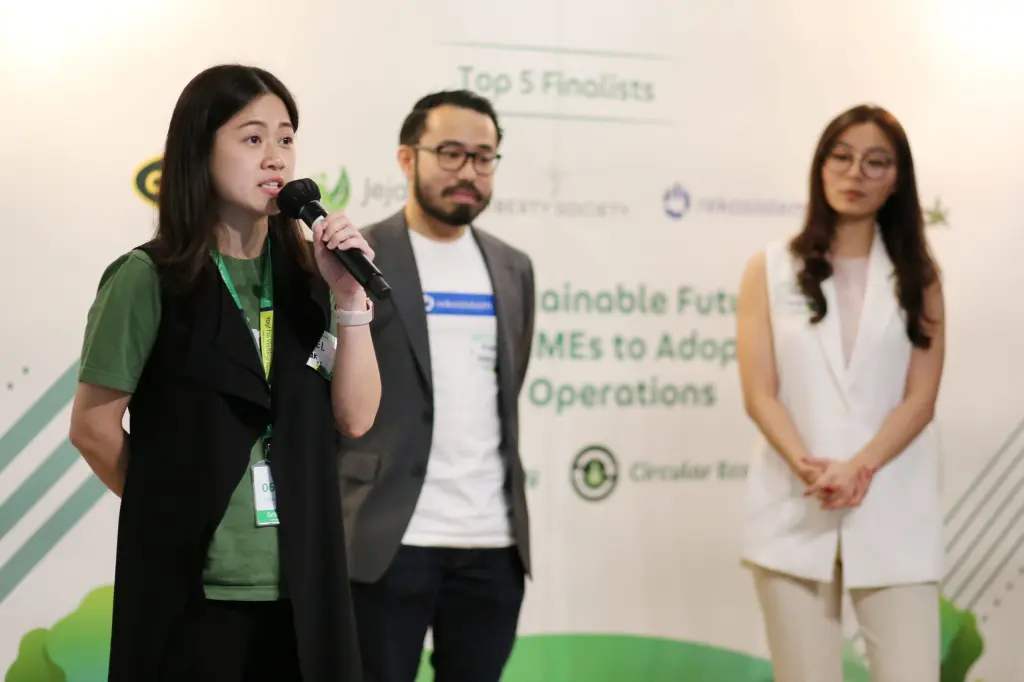
Tamara Gondo, CEO and co-founder of Liberty Society, an organization that helps marginalized women upcycle products for resale, joined GVV’s Batch 8 with a clear goal in mind.
“We wanted to do a meaningful pilot program with Grab, and the mentoring in the program was superb at giving us insights on finding product-market fit,” she says. Gondo is referring to a circular economy project aimed at helping Liberty Society reach larger corporations, allowing it to uplift even more women and upcycle more waste.
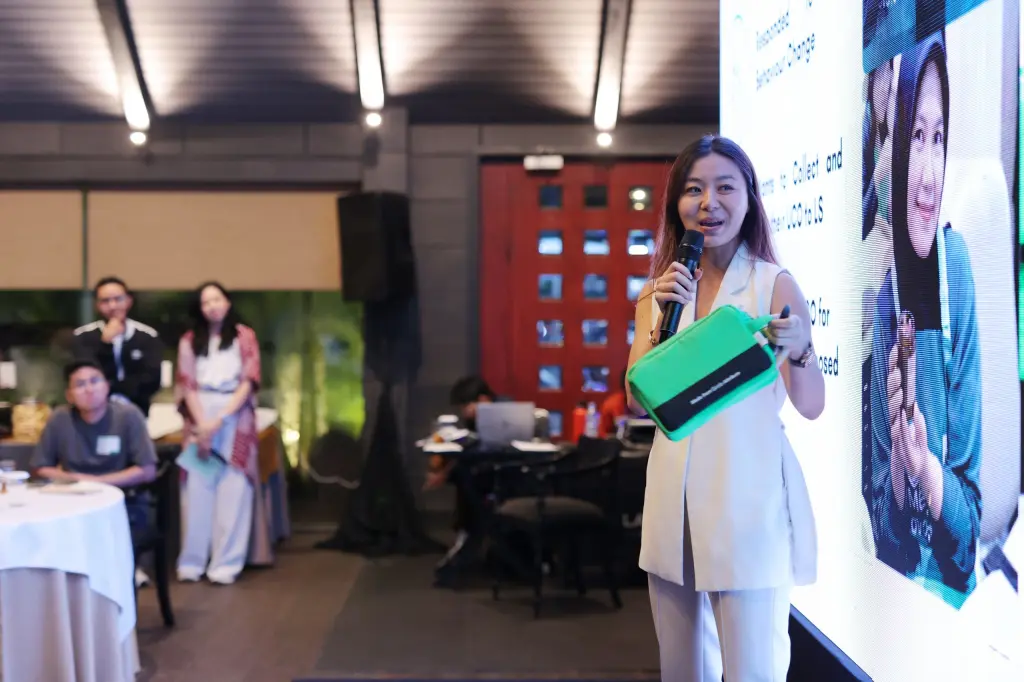
Tamara Gondo, CEO and co-founder of Liberty Society / Photo credit: Grab
She was particularly excited about meeting Iris Chang, Grab’s group head of sustainability, as it gave her a glimpse into how the company thinks about sustainability programs.
“For example, I learned a lot about how they view EVs as a win-win situation, benefiting not only the bottom line, but also in terms of positive environmental impact,” she says.
Chang, who was also one of the GVV mentors, notes that startups like Liberty Society were eager to pitch their solutions and proposals.
“What I enjoyed the most was how open they were to feedback regardless of outcome,” Chang says. “I met many talented and entrepreneurial individuals with strong capabilities in developing businesses and foundations to serve the unique needs of Indonesians.”
Now that the program is over, Gondo is looking forward to strategy planning for this year and exploring sustainable solutions that can scale effectively.
Connecting the dots
Before joining GVV, Sudono Salim, chief growth officer and co-founder of Jejakin, had several unanswered questions about how climate tech could fit into the daily workflows of businesses like Grab that use large-scale platforms. Jejakin provides businesses with solutions to measure, monitor, and offset carbon emissions.
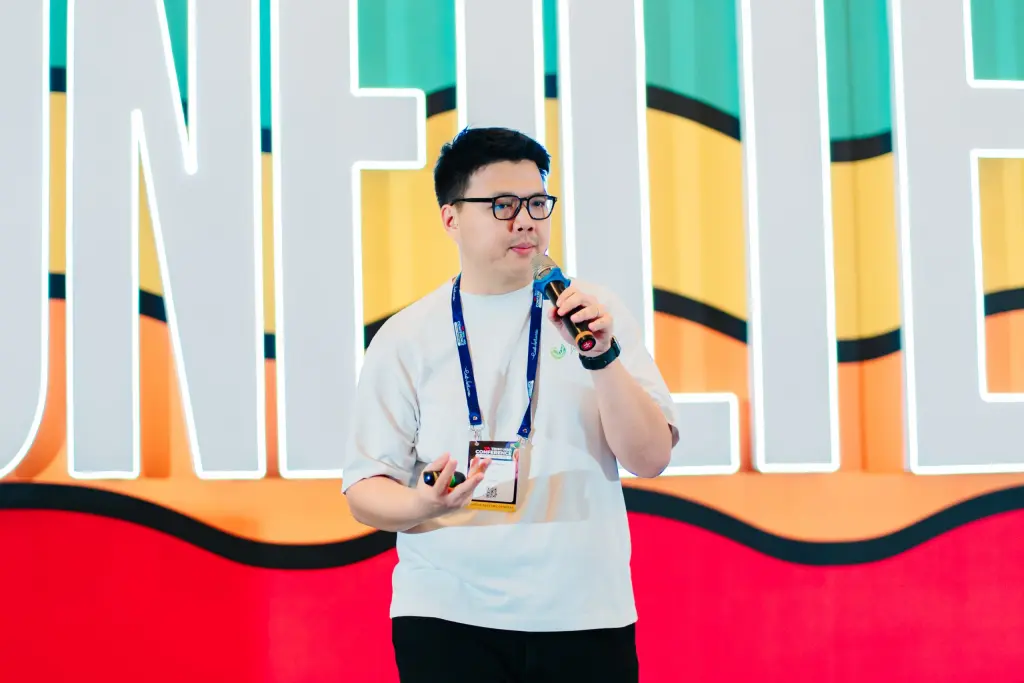
Sudono Salim, chief growth officer and co-founder of Jejakin / Photo credit: Tech in Asia
Over the course of the accelerator, Salim got the answers he was looking for.
“Through direct discussions with the Grab team and GVV mentors, we refined how our climate action feature should operate within their ecosystem, both from a product and user experience perspective,” he shares.
The program also helped Salim and his team clarify how carbon insights can translate into simple yet meaningful actions for corporations. For example, with tree planting, businesses can help restore forests by planting trees. They will then receive clear reports for each tree planted, making their impact measurable, transparent, and easy to track.
Get the latest on Grab’s very own accelerator program.
He recalls a discussion on how daily business activities contribute to emissions.
“It turned into a light and engaging conversation, showing how quickly people become curious when carbon information is connected to their daily routines,” Salim says..
Following his graduation from the program, he’s planning to design and deliver even better climate features for large-scale platforms and expand Jejakin’s impact to more companies.
The path to seamlessness
Everyone loves a solution that’s convenient and seamless to use, and that was top of mind for Ernest Layman when he joined GVV. Layman is the CEO and co-founder of Rekosistem, a startup that transforms waste into recycled materials and renewable resources.
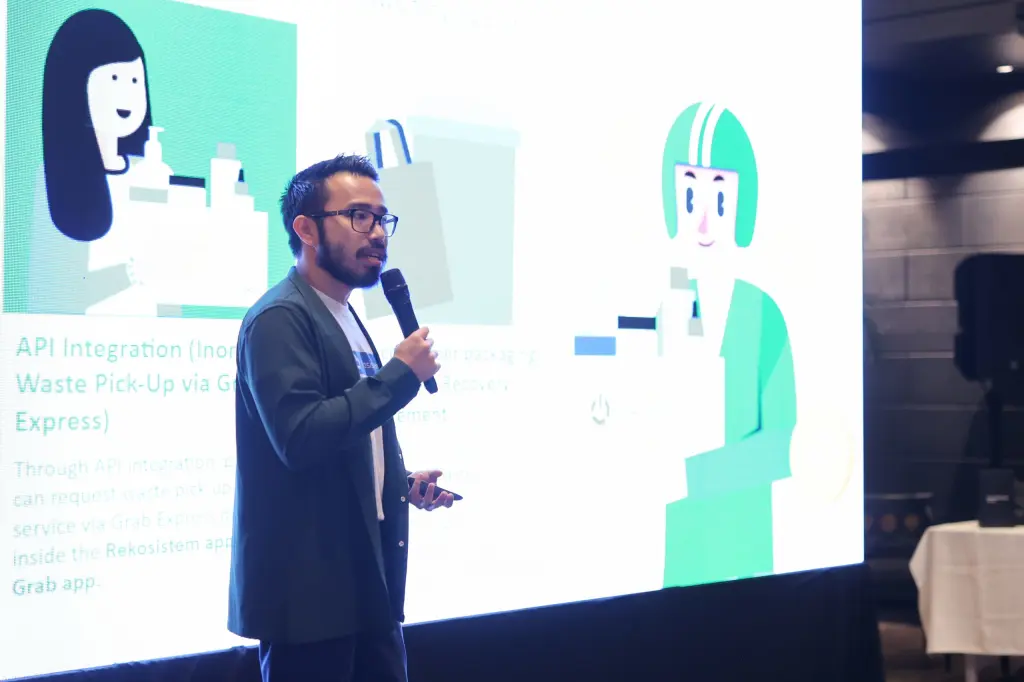
Ernest Layman, co-founder and CEO of Rekosistem / Photo credit: Grab
“One of our biggest questions was how to integrate our sustainability services more seamlessly into people’s daily lives,” he says. The GVV program went a long way in helping his team execute a pilot, which involved integrating Rekosistem’s system with Grab Express via API.
Layman points out how Grab’s product and operations leaders helped his team refine the flow of the integration, spot potential risks, and identify the right levers to ensure a smooth user experience.
“Our team members were genuinely excited because they had the opportunity to learn directly from Grab’s leaders, understand their approach to problem-solving, and gain valuable insights from their experience,” he says.
After completing the program, Rekosistem’s team has a clearer idea on how to scale its waste management ecosystem across Indonesia.
“GVV helped us set the foundation to expand our impact and make responsible waste management easier for more communities while driving sustainable business growth,” he says.
Charging forward
For some companies, partnerships with bigger players can make or break them. That’s the case with Casion, a provider of charging solutions for electric vehicles.
“Our core strength lies in charging infrastructure and data, so partnerships with platforms like Grab are critical,” says Kevin Pudjiadi, CEO and founder of Casion.
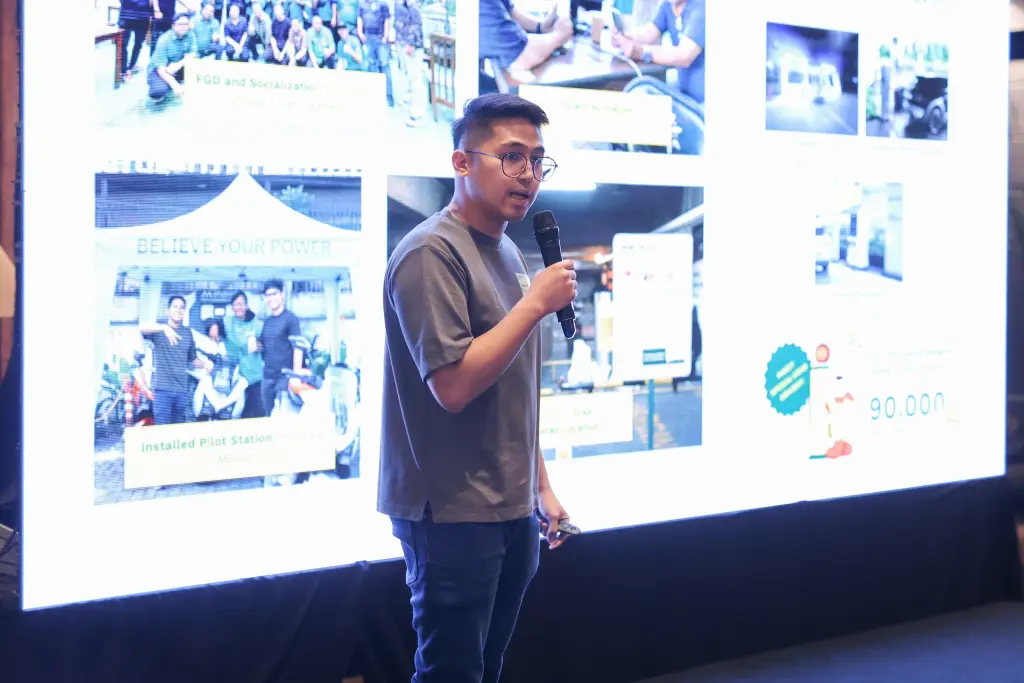
Kevin Pudjiadi, CEO and founder of Casion / Photo credit: Grab
Participating in GVV helped him and his team understand the charging habits of Grab drivers across different vehicle types and use cases. This allowed the Casion team to design solutions to make charging easier and more seamless for EV drivers.
Pudjiadi adds that one of the standout moments in the program was being part of GVV’s startup roster at the Tech in Asia Conference in Jakarta last year.
“We were able to showcase our achievements together with Grab in such a short time, showing how supportive GVV has been for us,” he shares.
For him, the end of his GVV participation feels more like a new beginning, as Casion embarks on a long-term relationship with Grab to make large-scale EV adoption possible across Indonesia.
Hungry for more
Seeing the significant progress made by the startups in Batch 8, Grab Indonesia CEO Neneng Goenadi shares that she was impressed by the founders’ willingness to test, iterate, and adapt quickly.
“I also observed that the startups positioned GVV as a learning platform to evolve their business models, enabling more thorough impact through large-scale integration pathways,” she adds.
Monika Rudijono, managing director of Endeavor Indonesia, agrees, saying that “Batch 8 was marked by highly engaged founders who were consistently participative, curious, and genuinely hungry to learn.” The Jakarta-based nonprofit teamed up with GVV for the program’s latest edition,
To further support similar aspiring founders, Grab Indonesia also announced a strategic partnership with the country’s Ministry of Communication and Digital of the Republic of Indonesia, to support an innovative, inclusive, safe, and sustainable national digital ecosystem.
Beyond that, the lessons learned and projects piloted during GVV Batch 8 helped Grab translate sustainability into practical and scalable actions.
Looking ahead, GVV’s Batch 9 will continue to build on the foundation of impact-driven innovation, with a stronger emphasis on scalability and long-term sustainability, Goenadi says.
“As Indonesia moves toward a greener and more inclusive digital economy, GVV aims to support startups that can also anticipate future needs through responsible innovation and cross-sector collaboration,” she concludes.
Grab Ventures Velocity (GVV) is a startup accelerator initiated by Grab in 2018. Now in its eighth year, the program is committed to ESG principles and strengthening governance practices to drive real, measurable outcomes. Find out more about the program here
This content was produced by Tech in Asia Studios, which connects brands with Asia’s tech community. Learn more about partnering with Tech in Asia Studios.
Stay updated on the go with our mobile app.
Get latest insights with smoother, more personalized experience through TIA mobile app.
Recommended reads
 AI hiring heats up in Singapore
 SaaS is dead, long live SaS
 Databricks’ under-the-radar Asian rival
 An AI co-pilot for scientists designing new biomaterials
 This startup helps chipmakers stop repeating the same mistakes
 How Europe wins the AI race in SAP CEO’s view
 Passive startup boards raise risk concerns
 Can remotely operated excavators fix construction’s labor gap?
 How a brush with a human trafficker sparked a healthtech startup
 What VCs need in a fund administrator





Editing by Stefanie Yeo and Eileen C. Ang
(And yes, we’re serious about ethics and transparency. More information here.)








📅 Upcoming Events
22 October 2026
Payoneer x CSPN Summit 2026