Sarah Dai · · 3 min read
Ride-hailing’s woes due to ‘one-sided’ pursuit of growth: China watchdog
The one-sided pursuit of higher user traffic and lofty fare subsidies were key factors behind the difficulties experienced by Chinese ride-hailing platforms, according to the country’s transport watchdog.
The assessment was made at a briefing by the State Council Information Office (SCIO) on Thursday, as job cuts and financial losses have come under the spotlight in an industry that was once seen as the poster child of a booming sharing economy.
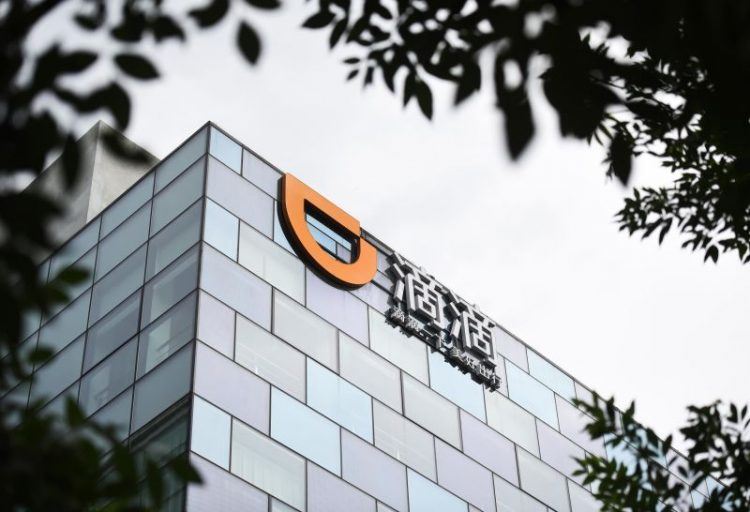
Didi’s Beijing headquarters / Photo credit: Didi Chuxing
“It is true that new types of industry players gained rapid growth, thanks to investment piling in at the start and the enabling role of the internet,” said vice minister of transport Liu Xiaoming, according to a verified transcript published on the SCIO’s website. “[But] behind the rise is companies sparing no cost to achieve breakneck growth and chasing traffic and valuations.”
These companies failed to develop a truly “profitable or sustainable” business model and did not allocate enough resources to administration, which exposed safety risks, Liu said.
The criticism comes after China decided to drop its “techno-utilitarian” approach to the ride-hailing sector in favor of tighter regulations to reinforce safety measures after the murder of two passengers by Didi Chuxing drivers last year.
When ride-hailing was first introduced in China around 2010, it was held up not only as a way to reduce air pollution by taking cars off the roads, but also as a potential provider of jobs to millions of people. Private car sharing was a common practice by the time the government gave it legal status in late 2016.
Fast forward to the end of 2018 and the sharing economy looked like it was under siege. Major bike-sharing provider Ofo was said to be facing near bankruptcy; Yidao, once the country’s second largest ride-hailing player, was reportedly delaying cash withdrawals by its drivers; and market leader Didi struggled to recover from a full-blown safety crisis.
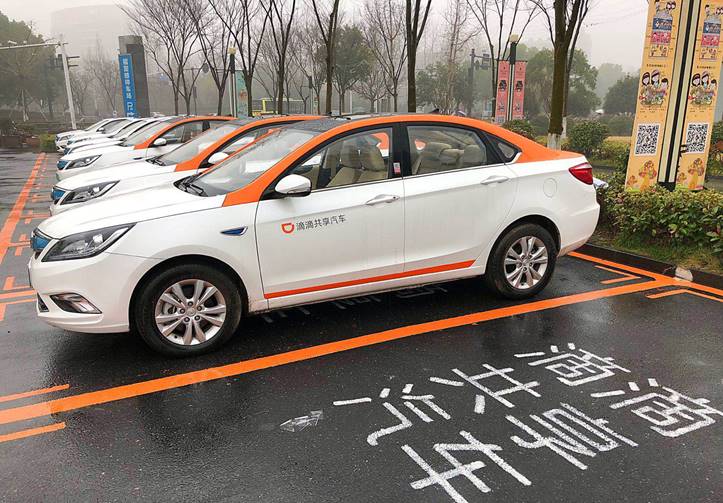
Photo credit: Didi Chuxing
Didi co-founder Cheng Wei announced a 15 percent cut to its workforce at an internal meeting early February, according to people familiar with the matter. With 2,000 jobs at stake, it was one of the biggest cutbacks in the country’s technology sector, as the company reevaluated its businesses and announced plans to hire 2,500 staff in other areas.
“We have taken note of Didi’s job cuts and new hiring plan,” said Liu, when asked about it at the briefing. “The company wants to strengthen safety mechanisms and step up its service.”
Didi did not immediately respond to a text inquiry for additional comment.
Difficulties encountered by some companies were due to “one-sided pursuit of traffic and high subsidies,” Liu added, without naming any companies. “We will pay more attention, asking the platform companies to protect both passengers and drivers interests, ensuring industry overhauls and healthier development.”





Stay updated on the go with our mobile app.
Get latest insights with smoother, more personalized experience through TIA mobile app.