Tomas Forgac is an economist and entrepreneur. He is the founder of Coin Of Sale, a bitcoin POS system.
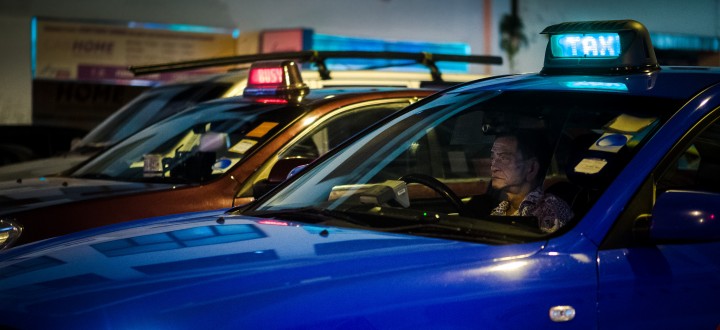
The Land Transport Authority (LTA) of Singapore announced it would start regulating third-party taxi apps and outlined details on them. All of the five points mentioned by LTA will have unintended consequences on competition, prices, availability, and convenience of the taxi apps.
1. Taxi apps will have to register officially with the LTA, upon which they will receive a certificate lasting for three years.
Compulsory registration with LTA is redundant. As with any other business, they are listed with Singapore’s company registry and they already need to adhere to the same tax, legal, labour, and other rules. The need for an additional license raises costs for future competition. If the first-movers will have institutional rather than market advantage, they will be able to exploit their position at the expense of consumers.
2. Taxi apps will only be allowed to dispatch licensed taxis and drivers – defined as those holding valid Taxi Driver’s Vocational Licences.
The requirement for all drivers to hold taxi licenses has the most serious consequences because the license is available only to Singapore citizens above 30 years old. That license is the main reason why it is virtually impossible to get a cab when it rains or in peak hours. It limits the supply of labour and leads to taxi shortages. Unless it will be made available to foreign labor en masse, the inability to catch a ride will remain a leading complaint among Singaporeans using taxi services 1.
3. All information on fare rates, surcharges, and fees payable for the journey will have to be disclosed to users before they accept the booking.
This solves a problem which doesn’t exist. Prices are driven down by competition and once consumers choose their preferred service, they rarely look at fares when using it. Many consumers prefer seamless user interface rather than clicking through additional screens they wouldn’t read anyway. At any rate, fare disclosure should be left up to consumer preferences. Taxi apps should implement it only based on feedback.
4. Taxi apps are not allowed to require users to specify their destinations before a booking. This is to prevent drivers from picking and choosing.
This regulation harms consumers instead. Drivers are already in a privileged position that protects them against competition from younger or foreign labor, and this is what’s causing a taxi shortage on the roads. It merely solves a problem created by past regulations, a fact that applies to regulations in general. While allegedly trying to fix an issue, they create more headaches which take much longer to fix. Just stick to a free market.
5. Taxi apps must provide customer support, such as lost-and-found services and platforms for enquiries or complaints.
Having a working customer support and a lost-and-found office are such basic business practices for transportation companies. So it begs the question: why bother putting it into regulation? In addition, if there is demand for ultra-low-cost services by low-income consumers who won’t need such additional services available to them, such a regulation wouldn’t allow them to exist.
The problem with regulation processes are that they typically involve existing players on the market who naturally try to call for requirements which they already meet or can afford, but which would limit ground-up operations that might compete with them in the future. It’s no surprise Uber, the most established and best funded global player is welcoming these regulations (see Nick Gillespie’s comment on this topic). Even if regulations are made with the best of intentions, they tend to introduce unintended consequences while trying to solve issues which free market competition takes care of much more efficiently.





Stay updated on the go with our mobile app.
Get latest insights with smoother, more personalized experience through TIA mobile app.