Welcome to Tech in Asia’s daily newsletter, your essential dose of Asia’s tech and startup buzz. Not yet a subscriber? Register here. Got a story tip? Send it to editors@techinasia.com.
In focus
- No billions, no problems for China’s AI challengers
- One% Nutrition’s bid to shake up wellness in Southeast Asia
- Who’s who in Israel’s AI boom
Hello reader,
The US spends the most money on its military out of all countries, almost reaching US$1 trillion in 2025. The military capabilities that spending buys have been on display in recent days, as images of the devastation US airstrikes have wrought in Iran are beamed around the world.
The country’s private sector also spends the most on AI compared to firms in every other country, splashing billions of dollars on chips, data centers, talent, and everything else needed to win the AI war. But while money buys air superiority on the battlefield, it doesn’t seem to give the US a clear edge over its Chinese AI rivals.
That’s the conclusion of today’s first top story from guest writer Matt Walker of MTN Consulting. The data shows that while hyperscalers like Meta, Microsoft, and Amazon spend far more on AI than their Chinese counterparts, the gap in model quality remains slim.
Why haven’t barrelfuls of cash opened up a decisive lead? Part of the answer may be capital efficiency, with Chinese firms learning to optimize models and infrastructure rather than simply throwing more compute at the problem.
From flexing financial muscles to building real muscles, today’s second top story looks at new funding for One% Nutrition, which aims to bring its protein drinks across Southeast Asia. The startup says its revenue nearly doubled between December 2025 and February 2026 following the launch of a new protein shake.
If Chinese AI firms are winning on efficiency, maybe Silicon Valley just needs more protein.
Peter Cowan, engagement editor
Top Stories
1️⃣ How China’s AI surge defies US spending power
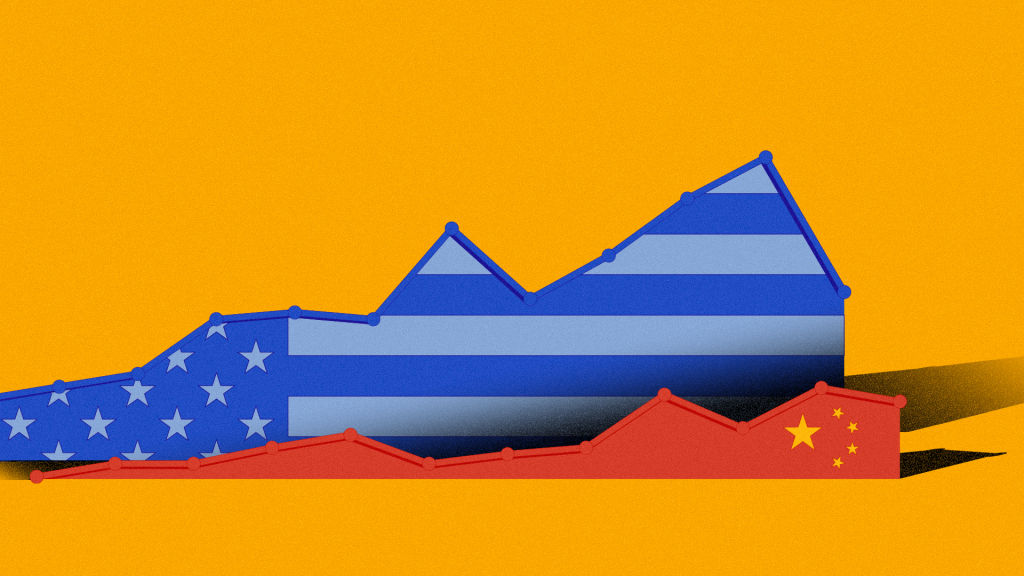
Image credit: Timmy Loen
Billions spent, but where’s the moat? Perhaps that’s what the bosses of US-based AI firms should be asking, as Chinese companies are competing with them using a fraction of their budgets.
If that sounds familiar, it should. A few years ago, the US tried to slow Huawei’s progress in telecom infrastructure, but the Chinese company remains the world’s largest telecom equipment vendor.
From our archives
Trending news





Stay updated on the go with our mobile app.
Get latest insights with smoother, more personalized experience through TIA mobile app.