Nicole Jao · · 7 min read
Russia-Ukraine crisis adds layer of urgency to renewables shift

Welcome to The Offset! Delivered once a month via email and through the Tech in Asia website, this free newsletter breaks down the biggest stories and trends in greentech. If you’re not a subscriber, get access by registering here.
Hi readers,
I hope you are all safe and well. In the past few weeks, we have watched the horrible scenes of Russia’s invasion of Ukraine unfold. The US, along with several countries in Europe, have already issued sanctions on Russian oil, causing fuel prices to surge. At the same time, countries are also feeling a sense of urgency to shift away from fossil fuels to less volatile energy sources like solar and wind.
While it might be too early to gauge the impact of the crisis on the global economy, it seems to be changing how countries think about their renewable energy transition. What are your thoughts?
Thanks for reading,
Nicole
DEEP READS
Renewables surge as Putin’s war fuels flight to alternatives
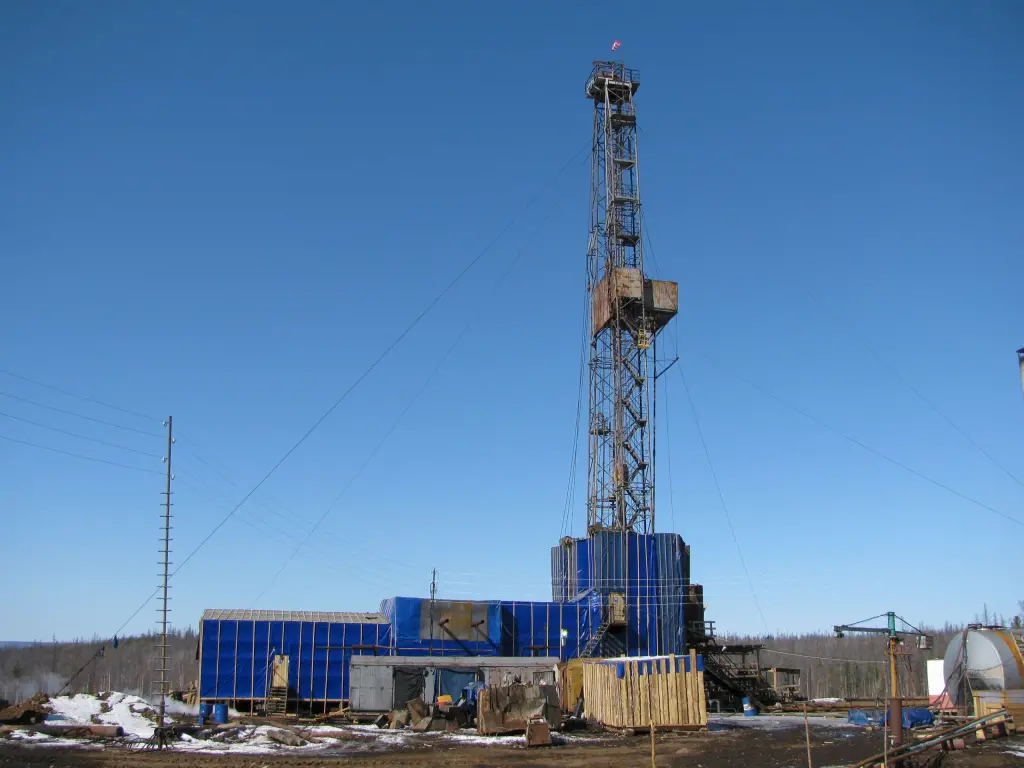
Kordinskaya oil exploration drilling rig in Evenkiysky District, Russia
The rising prices of oil and natural gas in recent weeks have prompted many countries to rethink their energy strategies. Many hope to reduce their reliance on Russia, a global energy supplier, and ramp up investments in alternative sources like renewables, nuclear power, and hydrogen.
In the European Union, where Russia was the biggest supplier of oil and natural gas last year, the stock market for renewable energy surged as fossil fuel prices turned volatile. Crude oil prices, for example, experienced its biggest one-day rise in almost two years.
Many Western nations have issued sanctions on Russian energy products. The German government halted the approval of the Nord Stream 2, a key natural gas pipeline from the country to Russia. Germany has been working to ramp up its clean energy capacity as it closes coal-fired power plants and nuclear facilities.
Before the conflict, natural gas was regarded as a reliable fuel to get the country through its transition to alternative sources of energy. However, the crisis in Ukraine seems to have put pressure on German leaders to speed up the transition and fulfill 100% of the country’s energy needs with renewables by 2035, five years ahead of its previous targets.
In Scandinavia, major energy companies, including Danish wind-power giant Orsted AS and Sweden-based multinational Vattenfall AB, have suspended fuel purchases from Russia.
Furthermore, the US, another major oil importer, recently ordered a ban on Russian oil imports. The Biden administration was previously reluctant to issue sanctions because it wanted to shield American consumers from rising fuel costs. Electricity prices are on the rise as the conflict intensifies, and analysts fear that the US may hold back its shift to renewables in favor of stabilizing energy costs. The price of materials for new wind and solar panels could also rise because of inflation.
Powerful lobbyists in the US’ oil and gas industry are claiming that efforts to restrain drilling activities would threaten energy security. Industry lobby group American Petroleum Institute is using Russia’s invasion of Ukraine to pressure President Biden to remove legal and regulatory obstacles for large companies and release more permits for drilling on federal lands.
TRENDING NEWS
You can also check out Tech in Asia’s coverage of Asia’s greentech scene here.
1️⃣ China plans large-scale wind, solar projects in desert regions
China is planning to expand its wind and solar power capacity through massive projects in the deserts in the northern part of the country, including Inner Mongolia and the Gobi Desert. According to an official notice, the new projects aim to add a total of 455 gigawatts of clean energy capacity by 2030. The new facilities are expected to deliver energy to the populated provinces in the east of China.
Why it matters:
The plan is part of China’s renewables push, which also includes the recent expansion of its rooftop solar panel installations. In 2021, the country produced a record amount of solar power.
Despite the clean energy drive, energy security is still a priority for Chinese leaders. The country is reliant on coal, which generates about 60% of its electricity. Last month, China approved three new coal plants.
2️⃣ Bitcoin network’s carbon emissions jumped 17% after China ban
A new research published in peer-reviewed journal Joules shows that after the crypto mining ban in China, Bitcoin’s carbon footprint increased by 17%. The findings of the report, titled Revisiting Bitcoin’s carbon footprint, contradict what many Bitcoin enthusiasts previously claimed.
Why it matters:
The huge energy footprint of crypto mining has long been an environmental problem. Since China cracked down on mining last June, crypto miners have taken their bases out of the country and moved to locations with more stable or permissive regulatory regimes. Previous studies claim that countries are looking to adopt more renewable energy like solar power and slash their carbon emissions and that this might push more crypto miners to adopt cleaner practices.

Johannesburg city center / Photo credit: Unsplash
3️⃣ Countries in Africa to spend billions on climate adaptation
New research by the non-profit organization Power Shift Africa shows that African countries are planning to spend an average of 4% of gross domestic product on climate change adaptation as the continent deals with climate-driven extreme weather events. The research was based on analyses of the National Adaptation Plans submitted by seven African countries to the United Nations.
Why it matters:
Countries in Africa are bearing the brunt of climate change, despite having a relatively small carbon footprint. At COP26, several wealthy nations agreed to help South Africa – one of the most industrialized countries in the region – to transition away from coal by pledging US$8.5 billion in financial support.
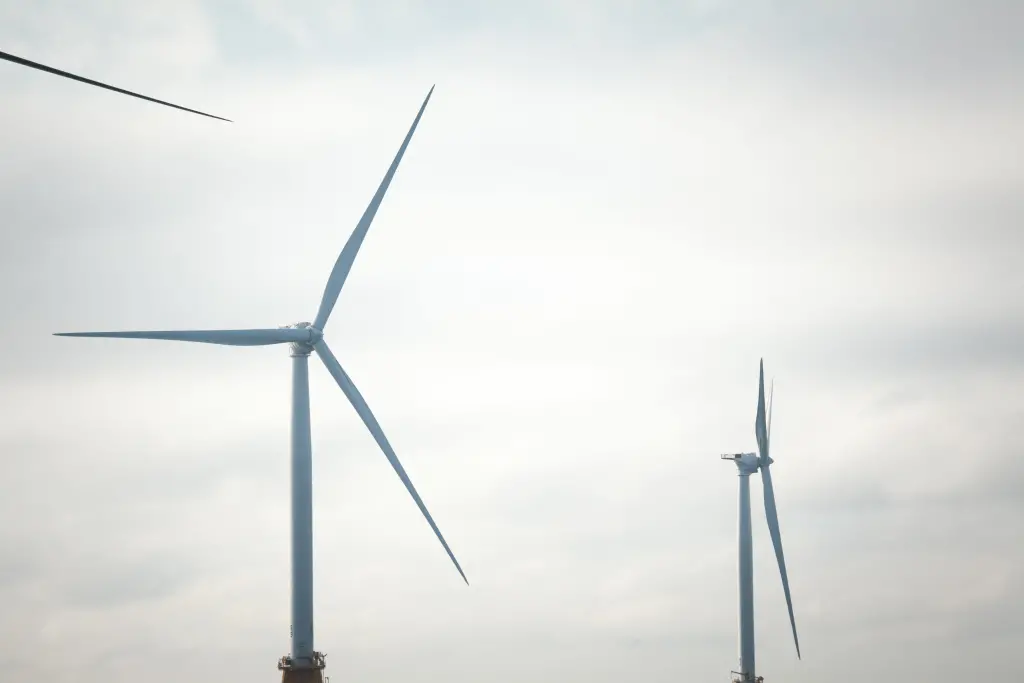
Wind turbines / Photo credit: Wikimedia Commons
4️⃣ Sale of US offshore wind leases raises a record US$4.4 billion
The US government announced a record US$4.4 billion sale of rights to install wind turbines off the New York and New Jersey coasts. The auction was the Biden administration’s first offshore lease sale. The sale of six leases totaling more than 488,000 acres is expected to generate up to 7 gigawatts of energy, enough to power nearly 2 million homes.
Why it matters:
The enthusiasm for the clean energy economy is apparent in the US, thanks to policy drives in recent years. The Biden administration has set a goal to install 30 gigawatts of offshore wind energy nationwide by 2030.
STARTUP WATCH
1️⃣ Strategic investors back startup CelLink’s US$250 million funding round
California-based tech manufacturer CelLink has closed a US$250 million series D round backed by BMW iVentures, Lear Corp, Robert Bosch Venture Capital, and 3M. Established in 2011, CelLink has been scaling up production of its lightweight flexible circuits in the past few years. According to the company, it has developed a new way of connecting battery cells and packs as well as transferring power and data across vehicle sensors, modules, and electronic control units.
2️⃣ Revel to expand EV fast-charging network with backing from BlackRock
New York-based electric moped startup Revel has raised a US$126 million series B round led by BlackRock Renewable Power, with participation from Goodyear Ventures, Shell Ventures, existing investor Toyota Ventures, and others. As part of the latest fundraising, representatives from BlackRock and Toyota Ventures will join Revel’s board of directors.
3️⃣ Envisioning Partners closes on US$64 million fund for climate tech startups
Seoul-based venture capital firm Envisioning Partners has secured US$64 million in an oversubscribed funding round for its new climate-focused fund, the Envisioning Climate Solutions Fund. The firm recently led the US$11 million series A round of Novoloop, a company focusing on turning plastic waste into high-performance chemicals and materials.
4️⃣ Aera VC nets US$30 million in first close of new fund
Singapore-based climate-focused venture capital firm Aera VC has raised US$30 million in the first close of its new fund aimed at investing in startups that center on climate-related innovations. Founded in 2016, the firm’s portfolio includes Singapore-based cultivated meat and seafood startup Shiok Meats, Australia-based mushroom meat company Fabled Food, and US-based chemical tech company Solugen. With the new fund, Aera VC hopes to complete 30 seed and follow-on rounds over the next two years. The firm is still accepting subscriptions from institutional investors for up to US$100 million this year.
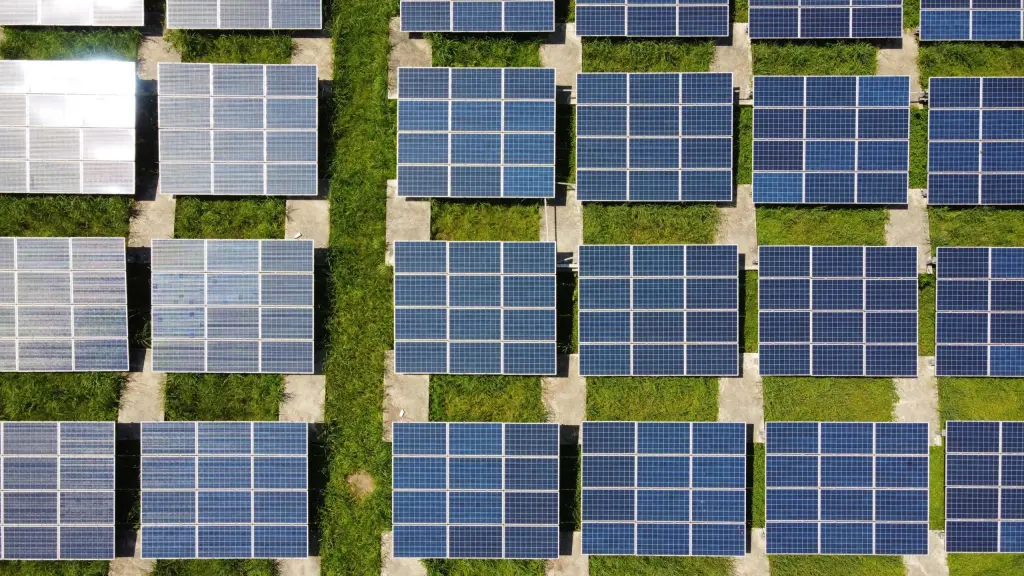
Solar panels / Photo credit: Unsplash
5️⃣ Sunseap buyer to pump US$7.4 billion in Singapore to build APAC HQ
EDP Renewables (EDPR), a unit of Portugal-based renewable energy major EDP Group, said it will invest US$7.4 billion by 2030 to set up its Asia-Pacific headquarters in Singapore. The investment follows EDPR’s US$813 million acquisition of Singapore-based solar energy firm Sunseap last November. Together, EDPR and Sunseap have several renewable energy projects across the Asia-Pacific region in the pipeline, focusing on solar and wind energy sources. The companies will also explore opportunities in emerging fields like energy storage and green hydrogen.
That’s it for this edition – we hope you liked it! Do subscribe to continue receiving The Offset.
Not your cup of tea? You can unsubscribe from this newsletter by going to your “edit profile” page and choosing that option in our preference center.
See you next month!
Stay updated on the go with our mobile app.
Get latest insights with smoother, more personalized experience through TIA mobile app.
Recommended reads
 Who pays for AI in your language?
 MoneySmart grows revenue by 26% in 2025, but AI threatens margins
 The truth about AI language models: No one wants to pay for them
 Tracking AI hiring in Singapore: OpenAI, Anthropic, and more
 Korea’s physical AI ambitions meet the factory’s bottom line
 SEA financials tracker: Moladin’s revenue rises 6% in 2025
 On‑demand services lift Line Man Wongnai’s 2025 revenue to $544m
 Flipkart’s costly late push into quick commerce and food delivery
 Inside Singapore’s government team that kills its own products
 Once an IPO hopeful, SCI Ecommerce nears collapse





Editing by Jaclyn Tiu and Shravanth Vijayakumar
(And yes, we’re serious about ethics and transparency. More information here.)