 Nadine Freischlad · · 5 min read
This Russian startup has a legit plan to become Southeast Asia’s Square

What if you could pay for your next Bajaj ride without cash?
Imagine being able to pay cashless for taxi rides, the handyman that comes to your house, or at the market. The merchant swipes your card, you sign or enter a PIN, that’s it. In Southeast Asia, we’re far from such a scene though. Cash payments are the norm for these types of transactions.
Mobile point of sales (mPoS) solutions are trying to solve this problem by bringing card payments to the street. Customers obviously benefit from cashless payment – not having to worry about correct change is one thing. But mPos are even more valuable to the merchant. All transactions are logged and the system usually comes with additional software that helps individual entrepreneurs and businesses analyze and manage sales.
In the US, Square is surely the biggest, and most-talked about mPoS player. Square’s success seems to rest on the shoulders of small businesses, who see the system as a way to take their endeavour to more professional heights.
See: What does Asia have to offer against Square?
From Russia to Asia
Small businesses are a key driver of Southeast Asia’s economy. At the same time, mobile phone penetration in the region is already high and rapidly growing. This makes Southeast Asia an attractive market for mPoS startups. There are some established players, for example Malaysia’s SoftSpace, and Singapore’s GoSwiff. In Indonesia, a startup called Moka is testing the waters.
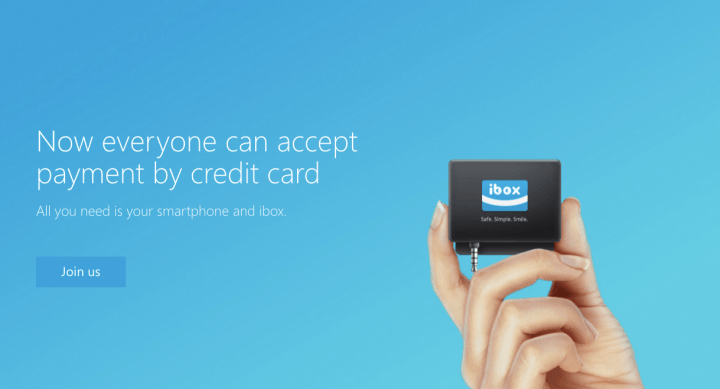
While local companies are breaking ground by forging partnerships with banks and merchants, slowly increasing their footprint, they’re now confronted with a new ambitious competitor in the region: Ibox.
The startup is originally from Russia. Since 2014, it’s pursuing the ambitious goal to become a big fish in Southeast Asia’s mobile payments pond. Its holding company sits in Hong Kong, it has an office and regional CEO in Vietnam. Ibox founder Pavel Sadovnikov says the company is now spreading to the Philippines, Thailand, Indonesia, and other countries in the region.
Ibox is well-funded too. According to the company, it raised a US$3.5 million seed round in 2012, and an additional US$1.3 million in 2015. That same year, Ibox fused with Pavel’s former payments company, which had also raised a considerable amount. Since the merger, the total funds raised amount to US$12.1 million. Among its investors are InVenture Partners, Almaz Capital, and ENS Group.
See: As Russia stumbles, entrepreneurs are flocking to fast-growing Southeast Asia
Out-of-the-box solution
What exactly is Ibox’s product? The startup bundles its mPoS system into three packages, depending on the use case.
The first, called IboxRegister, targets small businesses such as shopkeepers. It allows them to turn their tablets or Android smartphones into a smart registrar to keep tabs on their income, goods, and expenses. The setup requires hardware components, such as the small Ibox card reader, and a receipt printer. Customers pay a monthly subscription fee and get access to corresponding apps.
Should local players tremble?





Stay updated on the go with our mobile app.
Get latest insights with smoother, more personalized experience through TIA mobile app.









📅 Upcoming Events
22 October 2026
Payoneer x CSPN Summit 2026