 Erik Crouch · · 3 min read
Jack Ma probably isn’t feeling too good about his media investments right now
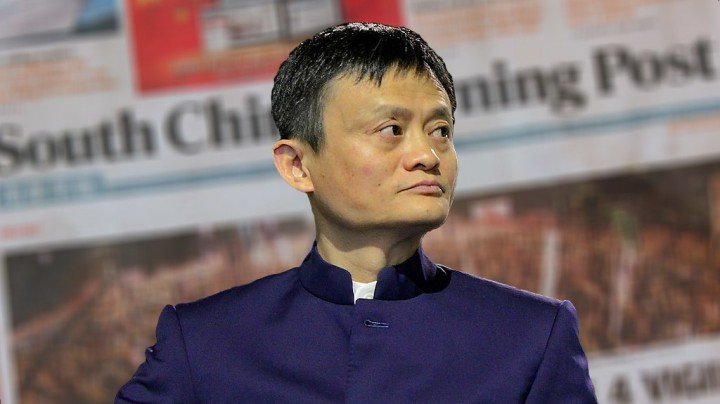 Late last year, Alibaba jumped into the world of print media by buying Hong Kong’s South China Morning Post, and just last week, it was announced that the company’s investment arm is also in talks to invest in Caixin Media, one of mainland China’s most influential news organizations.
Alibaba doesn’t yet have control over either organization, but the past week’s events probably have Jack Ma rethinking the wisdom of those investments.
Censors strike back
Printing the news in China is a precarious business. There are all of the traditional issues – declining subscription rates, plummeting ad revenue, etc. – but those seem like simple hurdles compared to the constant threat of censorship.
This week, the South China Morning Post abruptly saw its Chinese social media accounts blocked. The paper’s Chinese-language website has been blocked for some time, but it was still able to build an audience through its updates on Weibo and WeChat – but now all of its posts have been deleted, and its account leads to a 404 error page.
The censorship most likely came in response to the paper’s stories on a group of missing Hong Kong booksellers.
Also this week, Caixin published a scathing English-language article (cached version) detailing how government authorities had censored an article on its Chinese-language site on March 3. Predictably, the anti-censorship article has now been censored.
Printing the news in China is a precarious business.
If Jack Ma and Alibaba had gotten into the media business to make political statements, then this week would have been exciting evidence that SCMP and Caixin have the ability to ruffle some serious feathers. But there is no reason to think that Ma and Co. had any ambition to invest in politically disruptive publications – in fact, many of the critiques leveled at Alibaba during the time of the SCMP acquisition circled around the idea that mainland Chinese ownership would make the paper too pro-China.
Courting controversy
In a piece on the Caixin censorship, the New York Times quoted a Chinese media expert saying, “serious turf wars are happening within the leadership over control of the very business of press control.”
Jack Ma has always had a less cozy relationship with the Chinese government than some of the nation’s other successful businessmen. Due to the non-political nature of ecommerce, Alibaba – while it certainly has a relationship with the government – has been more independent than, say, massive real estate developers who are reliant on Party approval for their deals.
But getting into media, particularly Caixin and the South China Morning Post, has put Ma and his company in uncharted territory. The Post has been entirely wiped from mainland China, and Caixin is still reeling from censored article atop censored article. Neither are looking like particularly stable investments at the moment.
We’ll be keeping a close eye on how Alibaba moves forward with its media investments. Will it support feisty, independent journalism, or will it make nice with the Chinese government?
Editing by C. Custer
(And yes, we’re serious about ethics and transparency. More information here.)





Stay updated on the go with our mobile app.
Get latest insights with smoother, more personalized experience through TIA mobile app.








📅 Upcoming Events
22 October 2026
Payoneer x CSPN Summit 2026