
It’s been nearly a decade since the emergence of the region’s first tech stars changed the narrative around what Southeast Asian companies are capable of. That growth continues to trend upwards: Southeast Asia’s internet economy was estimated to have tripled in value over the last five years, with some suggesting it could be worth as much as US$300 billion by 2025.
How did the region’s tech scene come to be the promising beacon of innovation it is today?
For Teruhide Sato, a global serial tech entrepreneur and founder of early-stage investment firm Beenext, the secret sauce is the region’s huge, internet-savvy population, which has driven many of the startup ecosystem’s evolutions. Southeast Asians are racing ahead of every other region when it comes to embracing the mobile economy, and as a result, the internet is no longer merely a sector here, he says; it’s an entire economy on its own.
The mainstreaming of the startup world has also widened the available talent pool and support infrastructure available to startups. Established corporations and financial institutions have become more comfortable with these tech-driven upstarts, according to Sato, and this has created more exit options, as well as risk and funding opportunities.
The idea of what a founder looks like has expanded as well, fostering more conversations across founder generations. Younger founders don’t have to struggle in their journeys the way experienced founders did because they can learn from the older generation’s mistakes. On the other hand, established entrepreneurs can tap into the fresh ideas brought in by a new generation of startups.
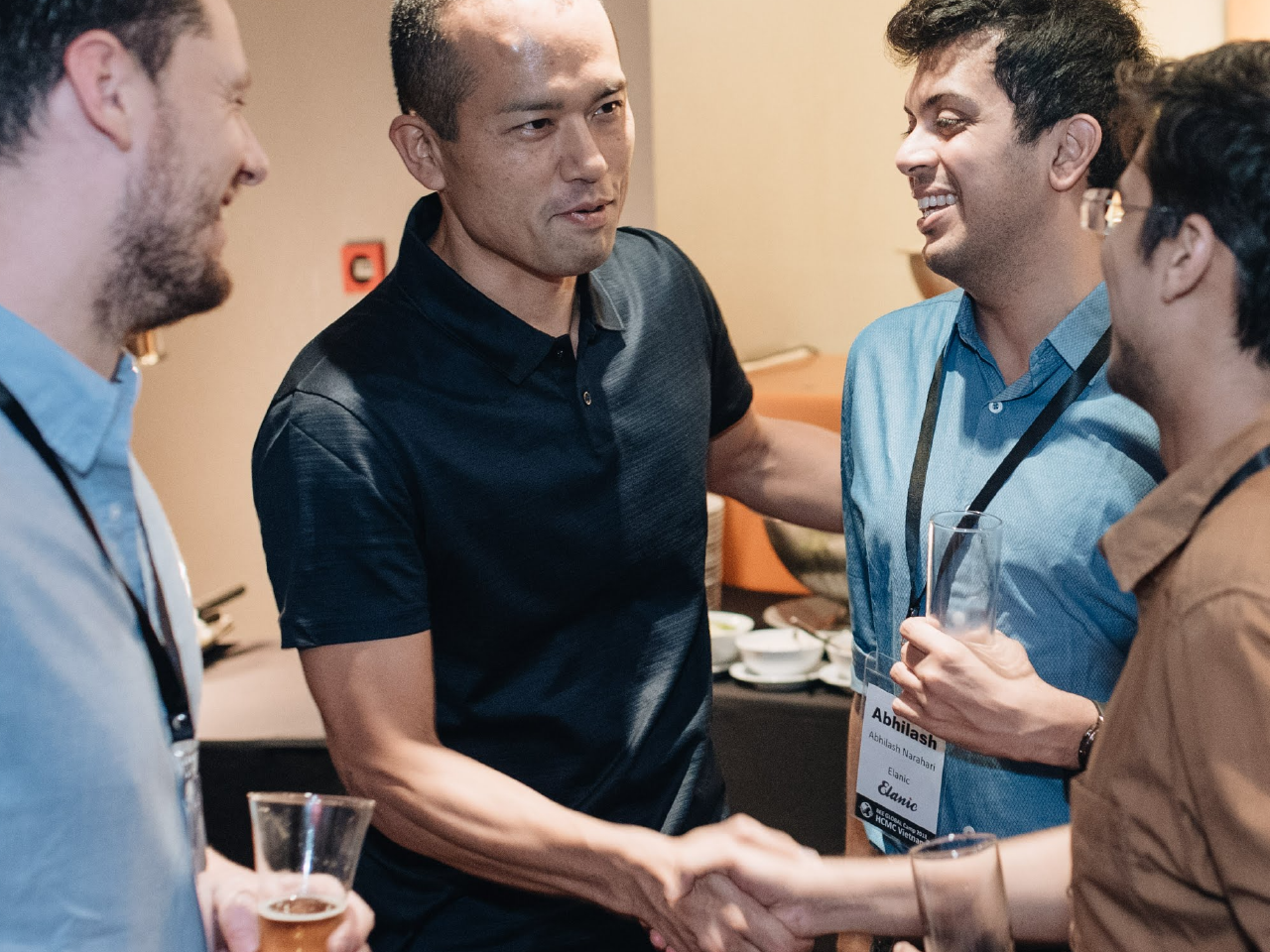
Teruhide Sato, founder and managing partner at Beenext / Photo credit: Beenext
The silver lining in Covid-19
Some of the biggest changes to Southeast Asia’s startup ecosystem have taken place over the last seven months, caused by the coronavirus pandemic and the slowdown of most economies due to varying lockdown regulations. According to the Asia Development Bank, between March and June, around 39% of Southeast Asian startups reported that they had less than three months of financial runway, which jeopardized their business viability.
Sato argues that despite the immediate shock of the pandemic’s effects, the crisis could ultimately have a positive impact on portions of the ecosystem. The pandemic has “accelerated the digital option” for consumers and – crucially – awakened the businesses that are trying to meet their new demands to speed up the adoption process, which has traditionally been slower.
“The Covid-19 situation has really pushed the supply side to go more online,” he says. “That’s why a company like Shopify has become a classic example of how you can become a platform that supports the digitalization of SMEs, which are being pushed to do so as they cannot continue for long with just offline retail.”
The emergence of the “Covid-native” startup
There is no way to undo the changes wrought by the virus, and the acceleration toward digital adoption is certainly here to stay: Many businesses have made online services a central pillar of their models, such as the Singapore-based Candy House. It did not have an online presence before the Covid-19 pandemic, yet more than 80% of its current sales are from its online shopfront on Shopee.
Sato suggests that moving forward, we may even begin to see the emergence of what he calls “Covid-native startups”: those that have built their entire businesses remotely in the current environment. In this new model, everything from hiring to product development and fundraising are done via the internet. And in this reality, it’d be harder to mask a product’s flaws.
“If the companies succeed in such an environment, that means the product is super solid,” he says. “You can’t rely as much on a sales force to sell your product, so the product itself has to sell.”
Sato adds that startups that want to survive and thrive beyond the pandemic would have to be able to separate the must-haves from the nice-to-haves – and prioritize the former. The shock of the pandemic has forced companies to be frugal, cutting away the inessentials and focusing on achieving profitability. Looking ahead, it’s likely that these Covid-native firms won’t need as much startup capital, making them even more appealing to investors that were also hard-hit by the pandemic.
In Beenext’s experience, the new attitudes forged in the fires of the pandemic have actually had the effect of making firms more resilient and creative. Sato shares that though some of the firms in Beenext’s portfolios are still in recovery mode and operating below capacity, they are already beginning to see healthier bottom lines.
Strength through community
For Beenext, a collaborative spirit is fundamental for getting the founders it works with through the next few challenging years. The firm was founded by Sato in 2015 with the vision of building a community of founders – “by the founders, for the founders” – based on a spirit of partnership.
The Beenext platform connects individual founders to a network of entrepreneurs from all over the world. The firm’s community currently spans 17 geographies, with a particular focus on Southeast Asia, India, and Japan. Though founders in the network may come from countries with varying market conditions, they can still learn from each other on specific points.
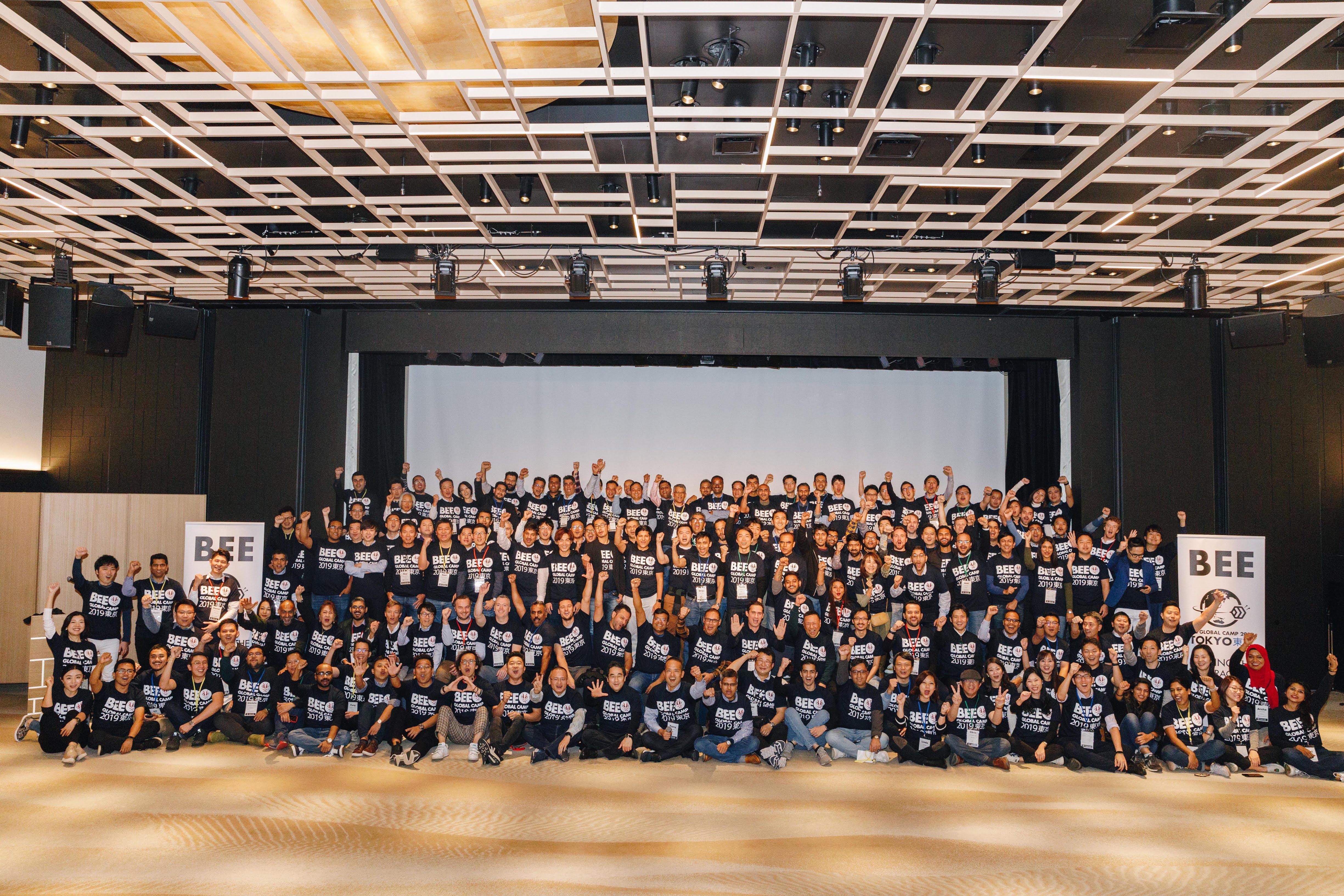
The Beenext founder community / Photo credit: Beenext
“I think our purpose is to act as a catalyst,” shares Faiz Rahman, Indonesia head at Beenext. “We are able to bring in the community aspect of how some of these learnings can be taken advantage of.”
The Beenext network has proven to be particularly effective in problem-solving during the pandemic. Rahman shares that its network of founders have been leveraged to connect startups to available pools of remote talent from all over the world. Founders can also take advantage of their Beenext network connections to form partnerships and share knowledge to speed up the digitalization of their existing functions across geographies, all without needing to travel.
Keeping in constant touch, Rahman shares, has been central to how Beenext supports its portfolio companies amid the pandemic. The firm’s partners proactively make themselves available for discussions, whether through special office hours or messaging platforms.
“We are a facilitator of the community,” says Sato. “I think we really try to maintain and build a deep trust between the founders so they can always access anyone at any time.”
Through the network, Beenext has been working on charting what the future might look like for Southeast Asia’s startup ecosystem in the post-pandemic world. On an overall technical level, Sato says that ASEAN countries have an opportunity to forcefully drive the adoption of digitalization by businesses.
However, the key message all startups need to take moving forward is to take the shock dealt by the pandemic in stride. “We cannot avoid facing the Covid-19 issue, and it’s very important for people like entrepreneurs to make changes [by] capturing this big shock and flipping it into an opportunity,” he says. “That’s what founders are good at: We are absolute optimists for the future because we believe in people’s abilities and creativity.”
To find out how to pitch to Beenext’s partners and join its huge network of founders, get in touch here.
This content was produced by Tech in Asia Studios, which connects brands with Asia’s tech community. Learn more about partnering with Tech in Asia Studios.
Stay updated on the go with our mobile app.
Get latest insights with smoother, more personalized experience through TIA mobile app.
Recommended reads
 Forrest Li on scaling Sea, building smarter bots, and founder grit
 SGX’s CEO says it doesn’t need a unicorn to win
 SMEs want AI too, but not the kind Big Tech is selling
 Oatside’s alt-milk rise hits a profitable gear
 Alibaba’s financial health in 12 charts
 Asia’s telcos bundle AI into mobile plans. Will it pay off?
 M-Daq chases bigger clients as revenue falls, losses grow
 VC tracker: Accel raises US$3.5b, including US$550m for India
 Graas buys Temasek-backed Trustana in agentic commerce push
 Doctor Anywhere posts healthier operations in 2025





Editing by Winston Zhang, Nathaniel Fetalvero, and September Grace Mahino
(And yes, we’re serious about ethics and transparency. More information here.)





