
Welcome to The Offset! Delivered once a month via email and through the Tech in Asia website, this free newsletter breaks down the biggest stories and trends in greentech. Get it in your email inbox by registering here.
Hey there,
Mike Tyson once famously said that everybody has a plan until they get punched in the mouth.
The boxer was speaking literally about the sweet science, but it’s a phrase that can be applied to all walks of life. Indian waste management startups seem to have been experiencing its truth all too literally.
Today’s Deep Read looks into the challenges these firms are facing from local gangs who already have a foothold in the scrap collection industry. As with all endeavors, what matters isn’t your plan going in, but how you overcome adversity.
— Peter
THE BIG STORIES
1️⃣ Frustrations in insect-for-food industry spark pivot

Photo credit: Faizal Afnan / Shutterstock
Insect farming as an industry may be most closely associated with alternative proteins, but startups in the space across Southeast Asia are seeking more fertile ground in the production of insect-derived ingredients for health supplements and animal feed.
Given the regulatory challenges around providing insects as food and the still unsolved question of product-market fit, the buzz around this industry’s potential to be a solution for food shortages has quietened lately.
2️⃣ Anywheel defies odds to survive Singapore’s bike-sharing wars
By having the largest fleet among bicycle-sharing firms in Singapore, bootstrapped startup Anywheel has fought off competition from investor-backed competitors to survive in the city-state.
Besides helping reduce the number of trips taken via engined vehicles, Anywheel also offers advertising services, which are more eco-friendly than traditional adverts on cars, buses, or even electronic billboards.
DEEP READ
Waste management startups want to turn trash into cash, but garbage mafia stymie growth

Image credit: Timmy Loen
By one estimate, India’s waste management sector was worth US$12.9 billion last year. Informal scrap-collecting groups have a piece of that pie, and they don’t feel like giving it up to waste management startups.
This report details the “garbage mafia” gangs that threaten and intimidate formal collectors, including startups, to hold onto their business. These illegal scrap-trading groups operate in a pretty traditional manner by hiring manual scavengers from economically disadvantaged backgrounds.
This creates a black market where manual laborers work in unsafe environments. Local authorities, too, loathe to get involved, lest they draw the ire of the garbage mafia.
These problems have discouraged VCs from investing in Indian waste management startups. Fortunately, there may be a path for firms in the sector to find success, as some have found ways around the problems, like working directly with waste pickers.
TRENDING NEWS
Also check out Tech in Asia’s coverage of Asia’s greentech scene here.
Called Onward, the startup launched in February with an aim to “advance the energy transition.” However, this report by Drilled and The Guardian reveals that the Shell-owned company’s website is largely focused on improving oil and gas outcomes, with a job board featuring dozens of postings in the oil and gas industry.
Why it matters:
Shell profited to the tune of US$28 billion last year largely thanks to oil and gas sales.
Any suspected greenwashing by such companies should be called out if we ever want them to actually contribute to the energy transition.
2️⃣ The false promise of carbon capture as a climate solution
Oil and gas firms have long been proponents of carbon capture and storage, which involves trapping carbon dioxide emissions in the ground – a method that, in theory, stops them from impacting the atmosphere. However, as this article explores, scientists are skeptical about how feasible this solution is with the technology currently at hand.
Why it matters:
If time is of the essence in the fight to save our planet (and many experts say it is), wasting time, money, and effort into suboptimal solutions is a big problem.
3️⃣ VinFast to build $500m EV factory in India
The Vietnamese electric vehicle manufacturer has broken ground on its new factory in India. VinFast has committed to investing US$500 million for the first phase of the integrated EV factory, spanning five years from the kickoff.
Why it matters:
If EVs are to have the environmental impact many hope for, the world’s most populous country has to buy in. More EV options for Indian consumers could help spur adoption.
4️⃣ BYD rejects EU claims subsidies help reduce price of China-made cars
Chinese EV maker BYD has rejected allegations from the European Commission that its success is largely derived from state aid. European officials are investigating whether subsidies have helped the company undercut local rivals.

BYD Dolphin / Photo credit: Sime Darby Motors
Why it matters:
The end result of the investigation could be higher tariffs on Chinese EVs imported into Europe. The two sides coming to an amicable resolution would surely augur well for the EV industry, BYD, consumers, and the environment, preventing an acrimonious end.
5️⃣ East Ventures co-launches emissions calculator for Indonesian companies
The VC firm has partnered with Kadin Indonesia – the country’s chamber of commerce and industry – and research firm WRI Indonesia to launch Ecovisea. The platform is a free greenhouse gas calculator for businesses in the country.
Why it matters:
Doing the right thing can be costly and, for most companies, the bottom line comes before green affairs. If it’s cheaper for businesses to assess and then reduce their emissions, the hope is that more will be inclined to do so.
STARTUP WATCH
1️⃣ India’s Varaha raises $8.7m in series A round
RTP Global has led a series A funding round worth US$8.7 million in India-based Varaha. The startup produces carbon credits from afforestation and regenerative agricultural projects, among others.
2️⃣ This startup makes ground coffee from bread – no beans involved
Prefer, a Singapore-based firm, has bagged US$2 million in a seed round led by Forge Ventures. The company uses fermentation methods to make “bean-free coffee” as opposed to traditional coffee farming, which typically leads to deforestation and other negative environmental impacts.
3️⃣ South Korea’s InnoCSR secures new investment
By using clean brick-making tech, InnoCSR is working to change the traditional brick manufacturing industry and cut its environmental cost. The South Korean firm has raised an undisclosed amount of series A funding from ADB Ventures, along with support from Singapore-based Garden Impact Fund and Clarion Newlife Capital.
4️⃣ Pyxis bags $3.4m to help make the maritime industry greener
Pyxis has netted US$3.4 million in a seed funding round co-led by Motion Ventures and Shift4Good. The Singapore-based startup focuses on maritime electrification, aiming to replace fossil fuel-powered ships with vessels that run on electricity.

A fossil fuel-powered container ship / Photo credit: Avigator Fortuner / Shutterstock
5️⃣ Blue Planet boosts circular economy with a majority stake in Mahindra Waste to Energy
Blue Planet, a Singapore-based sustainable waste management firm, has snapped up Mahindra Waste to Energy Solutions Limited. The subsidiary of Mahindra Group converts municipal wet waste into biofuel.
That’s it for this edition – we hope you liked it! Do subscribe to continue receiving The Offset.
See you next month!
The Offset is made possible thanks to Taiwan Mobile.
The company earned the best telco title in the Global Views CSR Awards.
Taiwan Mobile is on a mission to transition to 100% green energy by 2040.
It was recently selected as a constituent stock in the Taiwan Sustainability Index for the sixth year in a row.
Stay updated on the go with our mobile app.
Get latest insights with smoother, more personalized experience through TIA mobile app.
Recommended reads
 Indonesian AI startup goes global
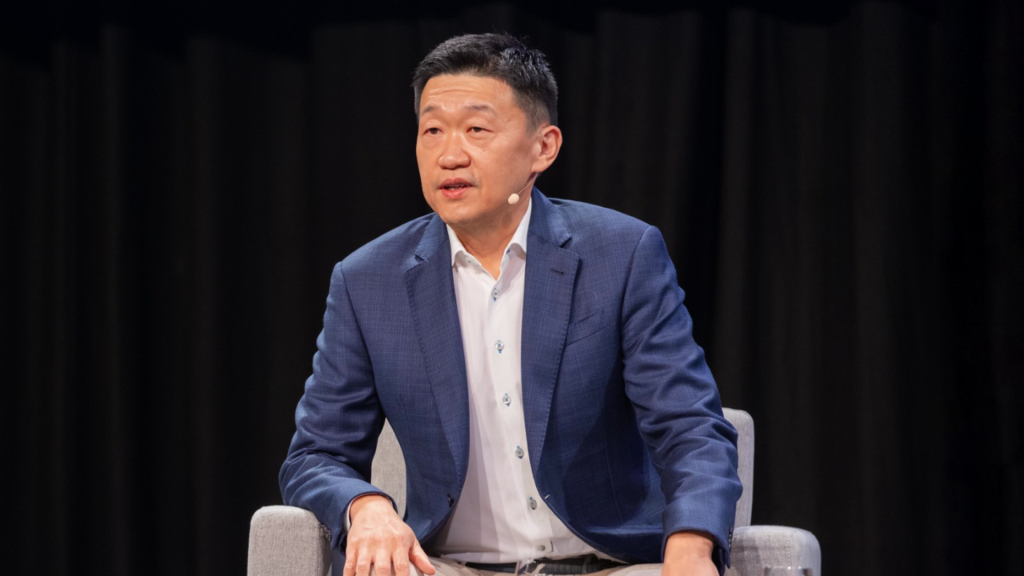 Forrest Li on scaling Sea, building smarter bots, and founder grit
 An AI assistant that joins sales calls and scores team skills
 Beyond the check: Why VCs need more than capital
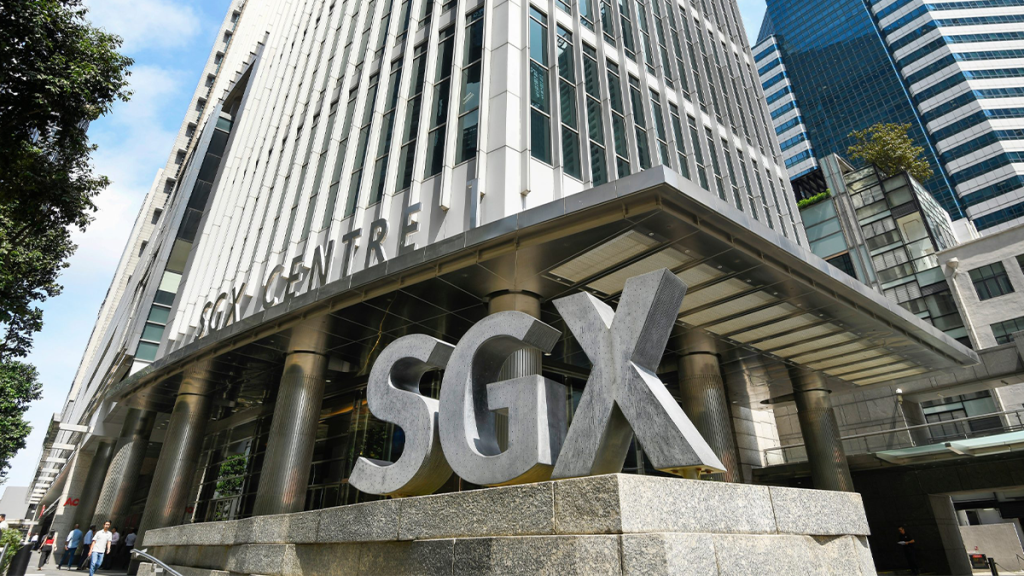 SGX’s CEO says it doesn’t need a unicorn to win
 SMEs want AI too, but not the kind Big Tech is selling
 Oatside’s alt-milk rise hits a profitable gear
 Alibaba’s financial health in 12 charts
 Asia’s telcos bundle AI into mobile plans. Will it pay off?
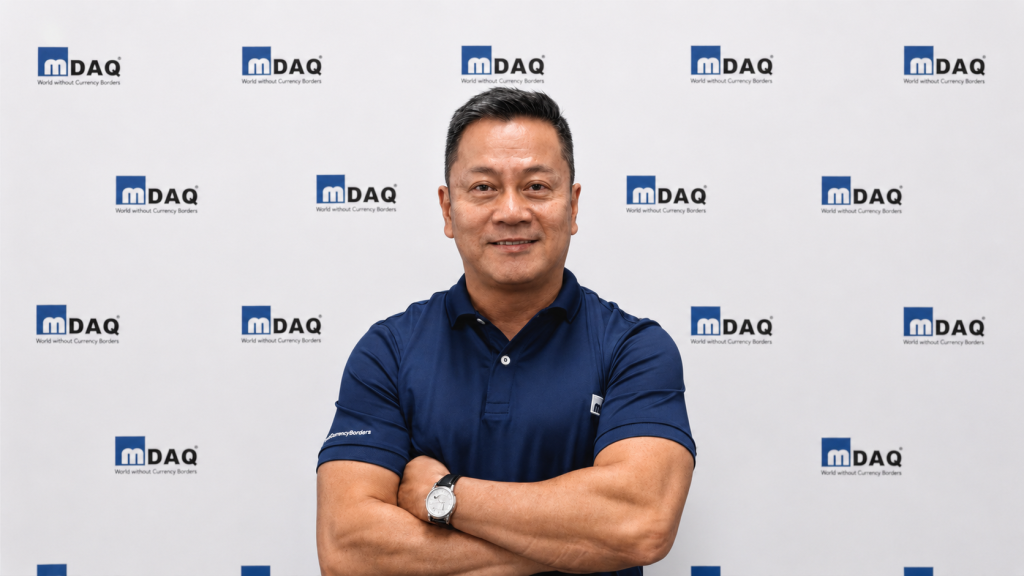 M-Daq chases bigger clients as revenue falls, losses grow





Editing by Collin Furtado and Dhania Putri Sarahtika
(And yes, we’re serious about ethics and transparency. More information here.)