Razer, the Singapore-based gaming firm, said its revenue rose 33.3% year on year (YoY) during the financial year ended December 31, 2021.
Factors that drove the uptick in revenue include a pandemic-induced surge in demand, a market share increase in its hardware vertical, and the expansion of its services business.
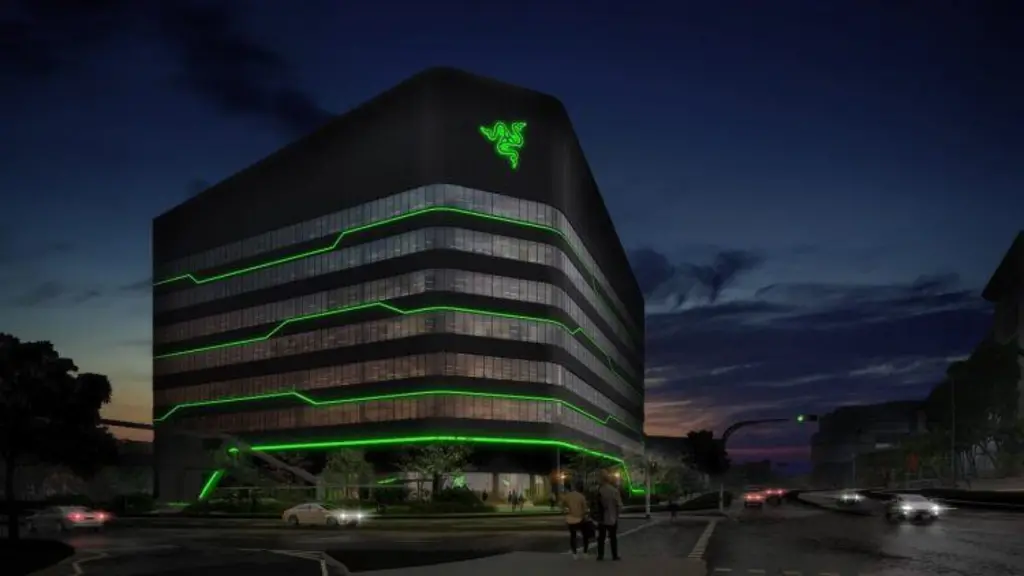
Photo credit: Razer
Razer’s revenue came in at US$1.6 billion, up from US$1.2 billion in the previous financial year.
The company’s net profit, meanwhile, was US$43.4 million, higher than its US$800,000 figure in the previous year. The company’s revenue growth, ongoing gross margin expansion, and productivity improvement were some factors for the boost.
Razer’s hardware segment delivered a 34% YoY growth to US$1.4 billion. According to the firm, its peripheral business maintained its market-leading position across the US, Europe, and the Asia Pacific, with several product launches.
Another highlight was the company’s progress with new categories, such as gaming chairs, consoles, and broadcaster products.
Revenue from its software and services segment also saw a jump of 26% YoY to US$162.5 million. Razer’s services business includes Razer Gold (the virtual credit platform for gamers) and Razer Fintech. Part of the segment is the company’s software unit, which saw nearly 44.1% YoY growth in total user accounts to 177.7 million. Its monthly active users surged by 30% YoY, spurred on by factors such as its gaming, rewarded play, and livestreaming activities.
Razer’s “others” category also registered an 84% jump in revenue to US$4.6 million, powered by the performance of its THX certification services and Respawn products.
In overall figures, its gross profit margin – the difference between sales and the cost of the goods as a percentage of net sales – improved to 24% from 22.3% in the previous financial year.
The company’s adjusted EBITDA on a non-GAAP (generally accepted accounting principles) basis stood at US$96.1 million, an increase of 115.5%.
Razer defines adjusted EBITDA as profit/loss from operations added back with depreciation and amortization, share-based compensation expense, restructuring expense, impairment of long-lived assets, and merger and acquisition expenses.
See also: GoTo Group’s financial health in 4 charts
Grim outlook
Razer has cautioned about what could be a difficult year ahead for the gaming firm.





Stay updated on the go with our mobile app.
Get latest insights with smoother, more personalized experience through TIA mobile app.