
Welcome to The Offset! Delivered once a month via email and through the Tech in Asia website, this free newsletter breaks down the biggest stories and trends in greentech. Get it in your email inbox by registering here.
Hello reader,
If you own an electric vehicle, you know how expensive the rechargeable lithium-ion batteries that power these machines are. The reason they are so expensive is the cost of the materials in the batteries.
The prices of lithium, a key mineral used in EV batteries, has skyrocketed in recent months as supply failed to keep up with demand. EV makers and miners worldwide are scrambling to find alternatives because if the shortage continues, it might put the brakes on the growth of the booming market.
Tune in closely if you own an EV or are considering buying one.
Let’s look at the big headlines this month so you know what to expect. Enjoy reading!
– Nicole
DEEP READS
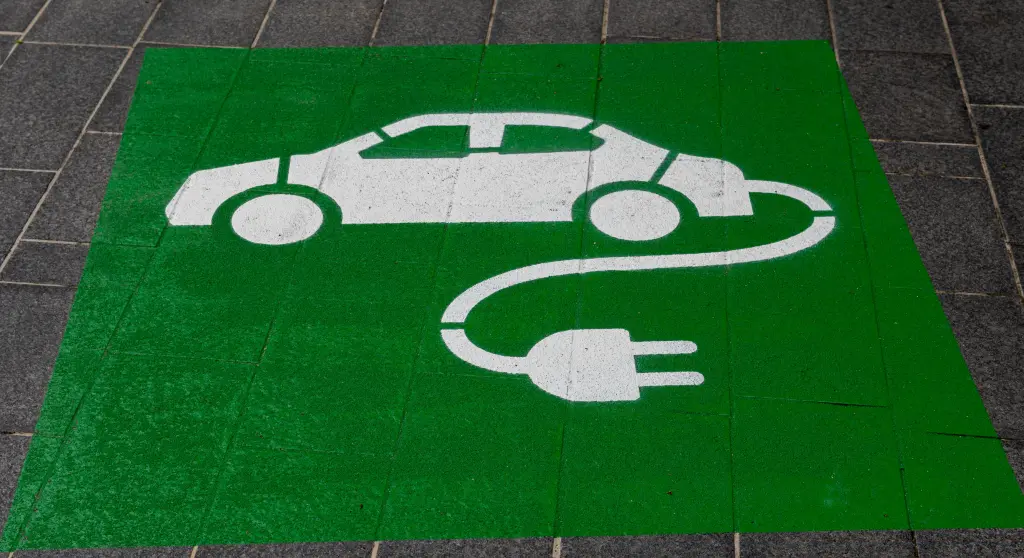
Image credit: Unsplash
Lithium crisis threatens electric car boom after 500% surge
Lithium, a critical component of most electric-car batteries, is in short supply after the EV market has seen a boom over the last few years.
The metal, which has been termed “white oil,” has gotten more expensive since the start of this year. In April, prices of lithium carbonate – the compound extracted from the ground – skyrocketed 432% from a year ago, according to Benchmark Mineral Intelligence.
The pandemic and the Russia-Ukraine war exacerbated the lithium crisis. Some fear that if the supply shortage continues, it could reverse years of efforts to make affordable EVs that could compete on prices with gasoline-powered cars. Some car manufacturers, including Tesla, BYD, and Xpeng, have already raised sticker prices.
However, the problem is not that Earth is running out of lithium – even though it may seem like it. The problem is that mining operations aren’t keeping up with demand.
Car manufacturers have poured time and money into developing vehicles over the past few years, but the same can’t be said about downstream processes. Lithium mining requires massive investment and time.
A quick way to tackle the lithium shortage is to ramp up output from existing lithium mining operations. This comes with some constraints, though. For example, brine-lithium producers’ ability to bump output quickly may be limited by their permits and the time it takes to extract lithium minerals from the brine.
Lithium producers might need to find new deposits to meet demand in the long term.
Mining countries like Australia, Canada, China, and the US all have new lithium mine development projects planned. China, for example, discovered a new lithium mine in the Qinghai-Tibet Plateau in February.
Many new developments, however, are met with resistance from local communities and activists because of the high environmental cost associated with lithium mining and processing. The fact that the lithium mining process is intensive in both energy and emissions is getting harder to ignore.
It’s all the more relevant because many consumers buy EVs because they are supposed to be better for the environment. However, startups are jumping at the chance to innovate the lithium supply chain in a bid to make it less resource intensive.
Direct Lithium Extraction (DLE), for example, is a promising technology that could make the production of the metal singnificantly faster. Other alternatives to lithium-ion batteries, including solid-state and sodium-ion batteries, are also being explored.
But it will take years before these new solutions can compete with existing battery technologies. It is likely that the lithium shortage won’t go away anytime soon.
For the time being, the EV industry has little choice but to continue relying on pollution-riddled mines while searching for something better.
TRENDING NEWS
You can also check out Tech in Asia’s coverage of Asia’s greentech scene here.
1️⃣ Exxon shareholders back board, vote against faster carbon emission cuts
Shareholders of US-based oil producer Exxon Mobil backed the company’s board and its energy transition strategy, voting against most proposals to speed up cuts to carbon emissions.
Only 28% of investors voted in favor of a proposal from a Dutch activist group that called on the company to set and publish medium- and long-term targets for emission reductions in line with the Paris agreement.
Why it matters:
The outcome of the vote is a shift from last year’s meeting, when activist investors secured three seats on the company’s board. Since then, Exxon, Chevron, and other major oil producers have won investor support for to their climate strategies as concerns over energy security and fuel prices mount.

Image credit: World Economic Forum
2️⃣ Corporations pledge to buy green at Davos gathering
More than 50 corporations from wide-ranging sectors – including Mærsk, Amazon, and Apple – joined the First Movers Coalition at the World Economic Forum in Davos, Switzerland. Members of the new coalition have pledged to buy aluminum, steel, and other commodities made via less carbon-intensive processes.
Why it matters:
The new coalition aims to decarbonize heavy industry and long-distance transport sectors, which are responsible for 30% of carbon emissions, and to create demand for “greener” versions of industrial materials.

Image credit: TechCrunch
3️⃣ Adam Neumann’s blockchain-based redemption story now sponsored by a16z
Flowcarbon, a new crypto project founded by controversial WeWork founder Adam Neumann, has raised US$70 million in VC funding led by a16z crypto, with participation from a long list of big-name investors, including General Catalyst, Samsung Next, and Invesco Private Capital. Flowcarbon’s protocol allows green projects to sell tokenized carbon credits to companies looking to reduce their carbon footprints.
Why it matters:
There has been skepticism around Flowcarbon and similar crypto projects. Carbon trading experts argue that putting carbon credits on the blockchain, which would make them easier to be bought and sold, would not really help solve any real problems with carbon credits and offsets.
4️⃣ South Korea’s Hyundai makes $16.5b EV push
South Korean automaker Hyundai Motor Group plans to invest US$16.5 billion over the next eight years to expand its EV production in its home country. The conglomerate, which owns Hyundai, Kia, and Genesis, aims to produce 1.44 million EVs a year by 2030.
Why it matters:
The car giant’s latest push is part of its target to capture a larger share of the global EV market. The automaker is investing billions in building new EV and battery manufacturing facilities in Georgia in the US.
5️⃣ Japan to launch first exchange for carbon emissions trading
Japan Exchange Group (JPX) plans to establish the country’s first market for trading carbon credits. The exchange aims to set up a market inside the Tokyo Stock Exchange and launch a pilot project in September. The market is expected begin full-scale operations next April.
Why it matters:
Under the plan, businesses in Japan can buy carbon credits through the market to meet emissions reduction targets. In contrast with the emission trading system in the European Union, participation by companies in Japan is voluntary, and there are no penalties for failing to meet their goals.
Carbon markets have become one of the most widespread tools used to combat climate change, although questions about their effectiveness remain.
STARTUP WATCH
1️⃣ Hong Kong climate tech startup secures $6m in Nomura-led round
Allinfra, a Hong Kong-based climate tech startup, has raised US$6 million in a series A funding round led by financial services firm Nomura. Founded in 2018, Allinfra allows users to store, use, or monetize climate-relevant information on a blockchain-based network.
The new funds will be used to expand its climate change-focused products, including a dashboard that tracks a company’s environmental preservation performance, as well as a tokenization platform that allows investors to buy and sell renewable energy panels and other infrastructures.

Image credit: Unsplash
2️⃣ Sequoia’s Surge leads $7.4m round of SG climate-tech firm
Singapore-based climate-tech startup Unravel Carbon has raised US$7.4 million in a seed round led by Sequoia India’s Surge. Other investors including Alpha JWC, Amasia, XA Network, Rebel Fund, Global Founders Capital, and Google executive Bradley Horowitz participated in the round.
The company focuses on helping Asian companies track and reduce their carbon emissions. One of the solutions Unravel Carbon offers converts companies’ accounting data into full supply chain carbon data and generates customized climate pathways to reach net zero.
3️⃣ Planet FWD secures $10m to help consumer products industry track carbon emissions
Planet FWD, a carbon assessment startup, has raised $10 million in a series A led by Acre Venture Partners and Congruent Ventures. The company plans to continue developing technology for the consumer products industry to measure and reduce its carbon footprint more accurately.
4️⃣ Billionaire Steyer backs climate tech firm Regrow Ag
Agritech startup Regrow Ag has secured $38 million in a series B led by billionaire Tom Steyer’s Galvanize Climate Solutions, with participation from Salesforce founder Marc Benioff’s TIME Ventures and Rethink Impact, alongside existing investors, including trader Cargill and Microsoft’s M12. Founded in 2018, Regrow Ag aims to help accelerate the shift to climate-friendly farming.

Image credit: Unsplash
5️⃣ Solid-state battery company Natrion nets $2m
Lithium battery maker Natrion has raised US$2 million in seed funding led by Chicago-based TechNexus Venture Collaborative with participation from Tamarack Global, Mark Cuban, and Illinois Ventures. The startup makes a polymer-ceramic component for EV batteries, which it says improves charging speed and longevity.
That’s it for this edition – we hope you liked it! Do subscribe to continue receiving The Offset.
See you next month!
Stay updated on the go with our mobile app.
Get latest insights with smoother, more personalized experience through TIA mobile app.
Recommended reads
 SEA financials tracker: Moladin’s revenue rises 6% in 2025
 Flipkart’s costly late push into quick commerce and food delivery
 Inside Singapore’s government team that kills its own products
 Once an IPO hopeful, SCI Ecommerce nears collapse
 Who’s betting big on ChatGPT ads? Not Asian brands
 VC tracker: Granite Asia launches US$50 million fund
 GCash trims IPO ambitions to meet market realities
 Igloo CEO eyes global M&A: ‘We have an appetite to grow more’
 Why SBI paid a premium for Ajaib amid a tough market
 OpenAI warns building for today will cause technical debt





Editing by Arpit Nayak, and Shravanth Vijayakumar
(And yes, we’re serious about ethics and transparency. More information here.)





📅 Upcoming Events
22 October 2026
Payoneer x CSPN Summit 2026