Zen Soo · · 3 min read
Race is on for Grab, Ant Financial, WeChat to gain an edge in financial services
In Southeast Asia, over 95 percent of companies are small and medium-sized enterprises (SMEs), many of which find it difficult to gain access to funding. Now, technology companies like Grab, Ant Financial, and Tencent’s WeChat are hoping to fill the market gap by offering financial services like loans and payments.
Grab, the ride-sharing company that has now expanded into everything from food delivery to mobile payments, said on Tuesday that it is making a “full-scale push into lending and insurance,” starting with its home market of Singapore.
Partners that are part of Grab’s ecosystem would be able to take out loans, while drivers could also pay for insurance that covers them only when they are driving.
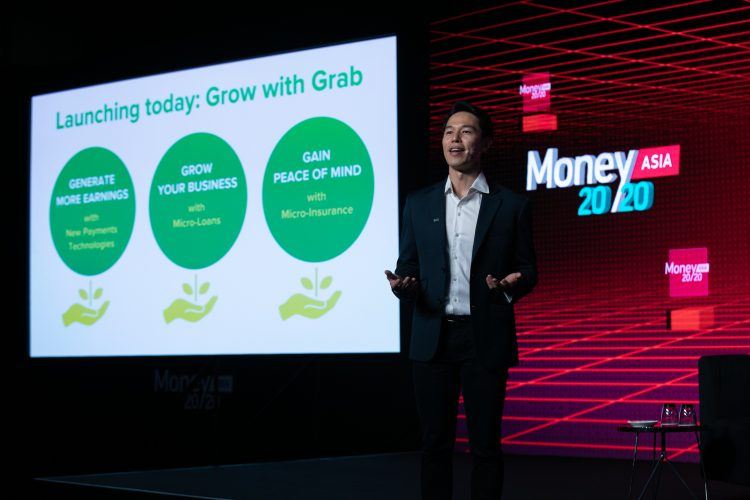
Reuben Lai, senior managing director of Grab Financial, onstage at Money 20/20 2019 in Singapore / Photo credit: Grab
“Drivers will be able to pay as they drive and switch seamlessly between personal and auto insurance […] this lowers the effective cost of operating for drivers,” said Reuben Lai, senior managing director at Grab Financial, at a media briefing during the Money 20/20 conference in Singapore.
Lai said that SMEs and consumers would also be able to take out loans from Grab, which allows them “to move outside of the platform to buy big-ticket items.”
In a push to encourage more consumers to use Grab’s ecosystem of services, it also announced its new Pay Later product, a service that lets users pay for the Grab services they have used at the end of the month or in monthly installments.
Grab’s move into financial services in Southeast Asia mirrors that of Ant Financial, Alibaba’s financial affiliate. Over the last decade, Ant Financial has become one of China’s leading providers of mobile payments as well as financial services, such as its money market fund Yu’e Bao and consumer lending products like Huabei.
Ant Financial has also made a play in Southeast Asia, investing in a variety of mobile payment wallets, including GCash in the Philippines and TrueMoney in Thailand.
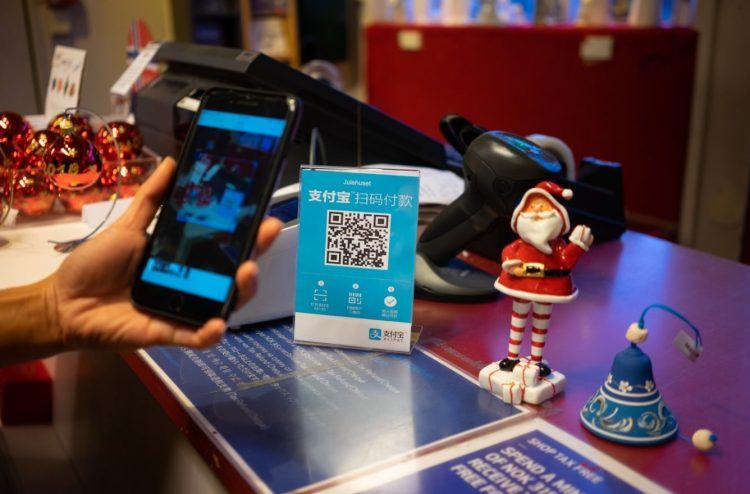
Photo credit: Ant Financial
“Use cases are the foundational elements to build a global payments business, and frankly today, we are in the first innings of mobile payments,” said Douglas Feagin, Ant Financial’s president of international business, during a panel.
“There are players, including a number that our partners are using […] ride-sharing or other types of digital goods to get started, but that’s only the tip of the iceberg,” said Feagin. “As soon as you get people to adopt, you can build connections into financial services systems, with banks and other players […] for the whole ecosystem.”
Small businesses are the ones that will see the biggest impact when it comes to mobile payments and financial services, according to Feagin, as they will be able to better market to customers and even sell online via Ant Financial’s platforms.





Stay updated on the go with our mobile app.
Get latest insights with smoother, more personalized experience through TIA mobile app.