- Premium Content It takes our newsroom weeks - if not months - to investigate and produce stories for our premium content. You can’t find them anywhere else.
 Terence Lee · · 5 min read
Qiq is looking to fix a major flaw in shared transport networks
It’s hard to describe what Qiq Global does in a sentence, but I’ll try: the Singapore-headquartered company is attempting to create the transportation network of the future.
You might ask, “Aren’t there already loads of startups doing that?” Perhaps, but hear me out.
Shared transport networks like electric scooter-sharing services are bogged down by a huge bottleneck: their batteries. Qiq says it has found a way to overcome this issue.
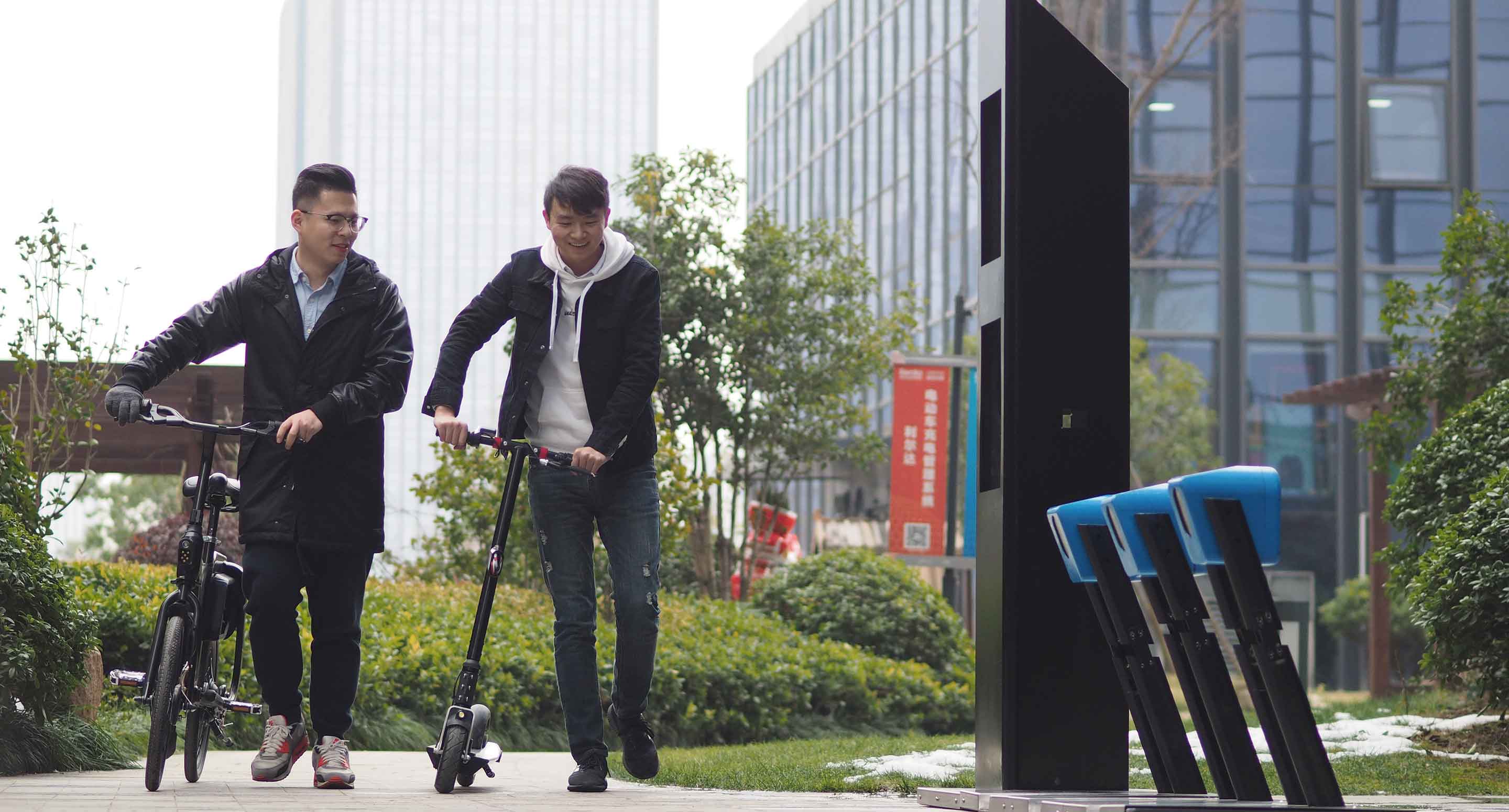
Photo credit: Qiq Global
Lithium-ion batteries contain massive amounts of energy, making them ideal for things that require electricity over a sustained period of time. However, this ability is not without trade-offs: their capacity to store power degrades quickly, and it takes hours to fully charge them.
Sure, lithium-ion batteries are good for your smartphone. It often sits idle, after all, and you’d typically charge it a few times a day at most. You’re also likely to change your device every few years, so the fast deterioration of the battery isn’t a concern.
Similarly, electric cars stay inactive most of the time, so the same is true of their batteries.
But the nature of transportation is rapidly evolving. Ride-hailers Gojek and Grab have ushered in an era of shared transportation in Southeast Asia, and scooter-sharing services have launched in Singapore and Jakarta.
These new models have fundamentally transformed how vehicles are used. No longer do they just ferry their owners to and from regular destinations like homes and offices. Instead, vehicles are hitting the road more often to bring multiple people to various places around the clock.
Such usage can quickly wear out the batteries of electric vehicles and increase costs. Long charging times also mean that a vehicle is out of commission for a large chunk of the day.
Qiq believes that supercapacitors are the answer to this problem.
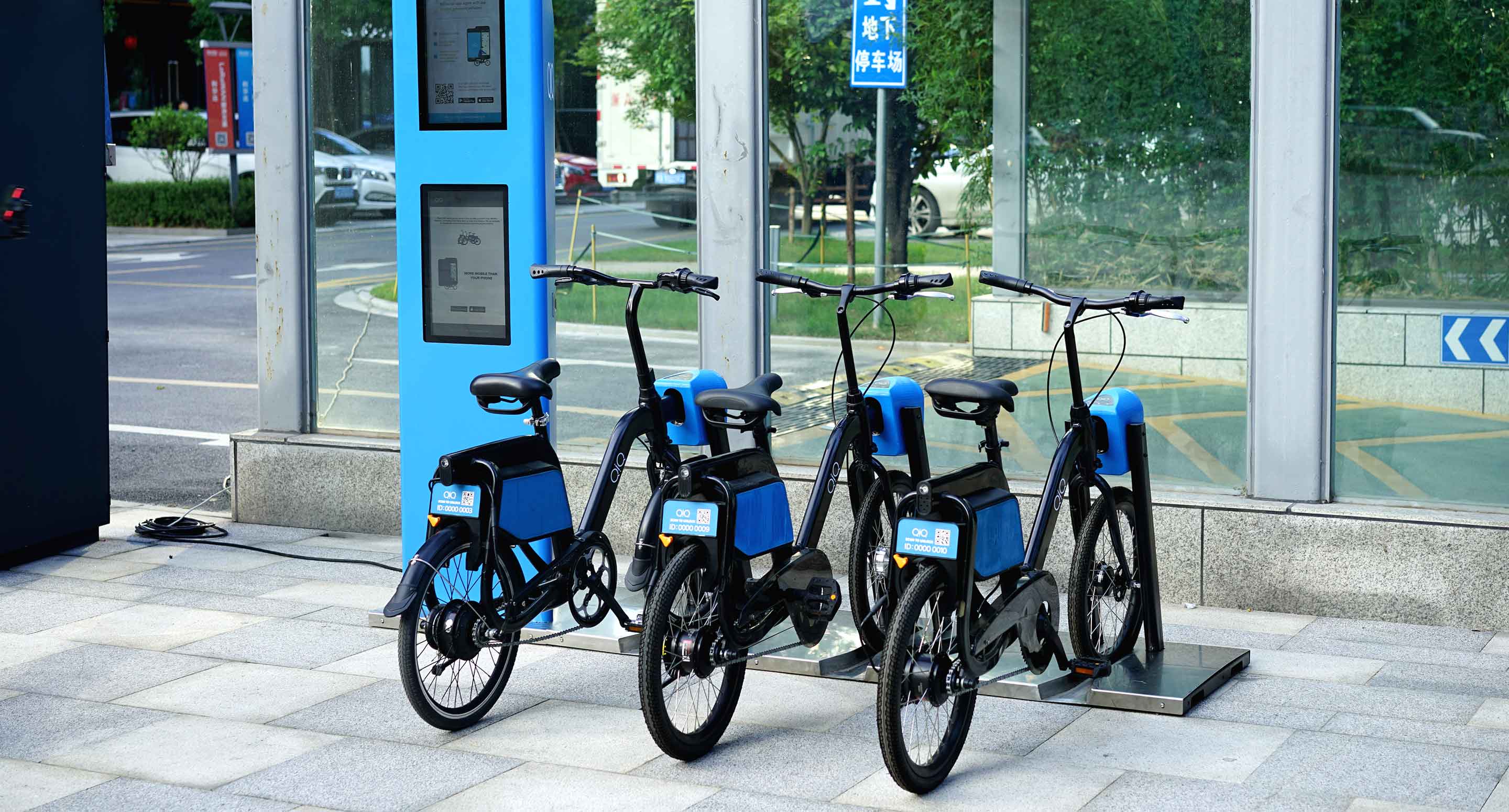
Photo credit: Qiq
Like batteries, supercapacitors are power-storing devices. While they can hold less energy in general, they make up for it by being more power dense, which means they can release more electricity at once.
Sweetening the economics
Competing with gas stations
Stay ahead in Asia’s tech landscape
This is premium content. Subscribe to read the full story.
It’s raising US$20 million to jumpstart a factory for its tech.
We know this is not ideal. ⌛ Sign up in 20 seconds. Cancel anytime.
Our subscriber community includes professionals from these companies:





Stay updated on the go with our mobile app.
Get latest insights with smoother, more personalized experience through TIA mobile app.