- Insights This article was written by a TIA community member. Insights pieces undergo the same rigorous editorial process that newsroom-produced articles have.
 Ivy Yang · · 5 min read
Apps vs. alliances: the SEA playbook of rivals Tencent and Ant
At the recent Singapore Fintech Festival (SFF), Tencent and Ant Group signaled their renewed ambitions for global growth. The Chinese giants were the event’s grand sponsors.
These companies dominate China’s digital payment space and have chosen Southeast Asia as the launchpad for their vision. Their presence at SFF reflects their focus on cross-border payments – a sector projected to reach US$250 trillion in global flows by 2027.

Image credit: Timmy Loen
Driven by international trade, ecommerce, and expanding supply chains, this surge translates into US$200 billion in annual revenue for payment service providers, according to Citigroup.
For Tencent and Ant, capturing even a fraction of this market would provide substantial growth, yet their strategies reveal differing visions of how to succeed outside China.
Downloads vs. collaboration
Tencent’s approach to cross-border payments remains tied to its messaging platform Weixin. Therefore, Southeast Asian users have to be part of the Weixin ecosystem to access services run under Tenpay Global, the international payment solution under Tencent.
For overseas users, this typically involves downloading WeChat, the version of Weixin for non-mainland China users. While this is convenient for Chinese tourists and expats, Tencent’s “download-first” model is ill-suited to Southeast Asia’s highly interoperable payment networks.
See also: Will Bilibili abandon gaming fanbase to fight ByteDance, Tencent?
In countries like Singapore and Thailand, for instance, users can rely on services like PayNow and PromptPay. These are not standalone apps; instead, they’re systems embedded in local banking apps, enabling cross-border transactions without requiring additional downloads.
Tenpay Global secured a major payments institution license in Singapore, signaling Tencent’s intention to capture regional market share.
In addition, to introduce its palm recognition technology for digital payments in international markets, Tencent announced a partnership with Visa at this year’s SFF.
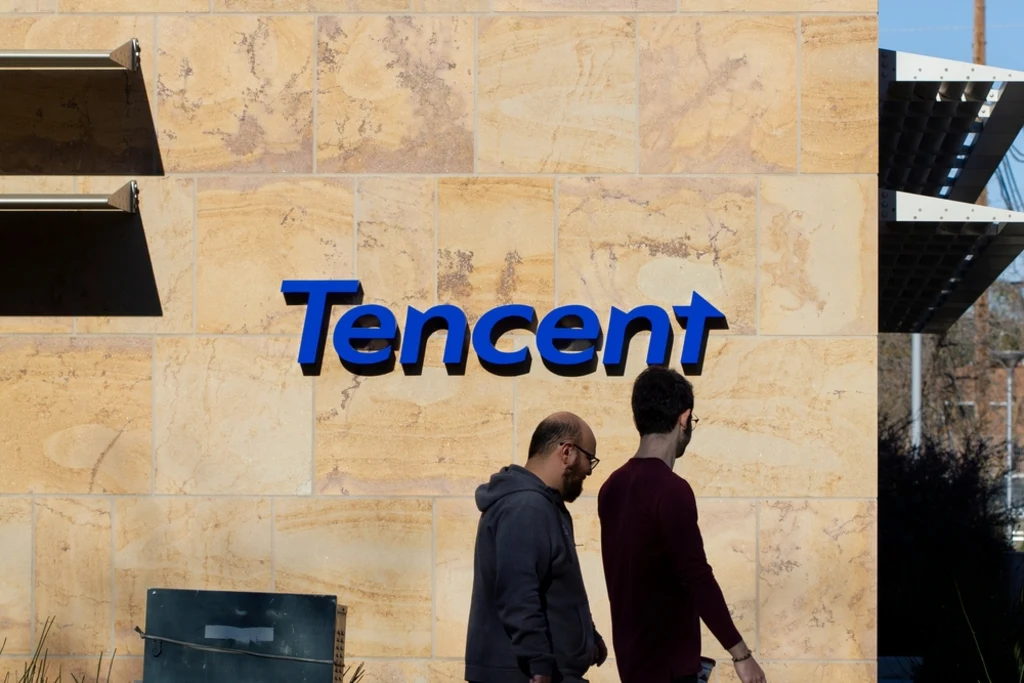
Photo credit: Shutterstock
This may add a small degree of convenience for some users, but fails to tackle the core question of how Tencent will integrate with Southeast Asia’s increasingly open infrastructure. The company’s solution remains anchored to China-focused WeChat and may alienate existing users of local banking tools.
Same goal, different strokes
Stay ahead in Asia’s tech landscape
This is premium content. Subscribe to read the full story.
One has taken a download-first approach while the other is focusing on local partnerships.
We know this is not ideal. ⌛ Sign up in 20 seconds. Cancel anytime.
Our subscriber community includes professionals from these companies:





Stay updated on the go with our mobile app.
Get latest insights with smoother, more personalized experience through TIA mobile app.