Anthony Joh · · 6 min read
CEO of 1st Indonesian Y Combinator firm shares his humbling time at The Valley
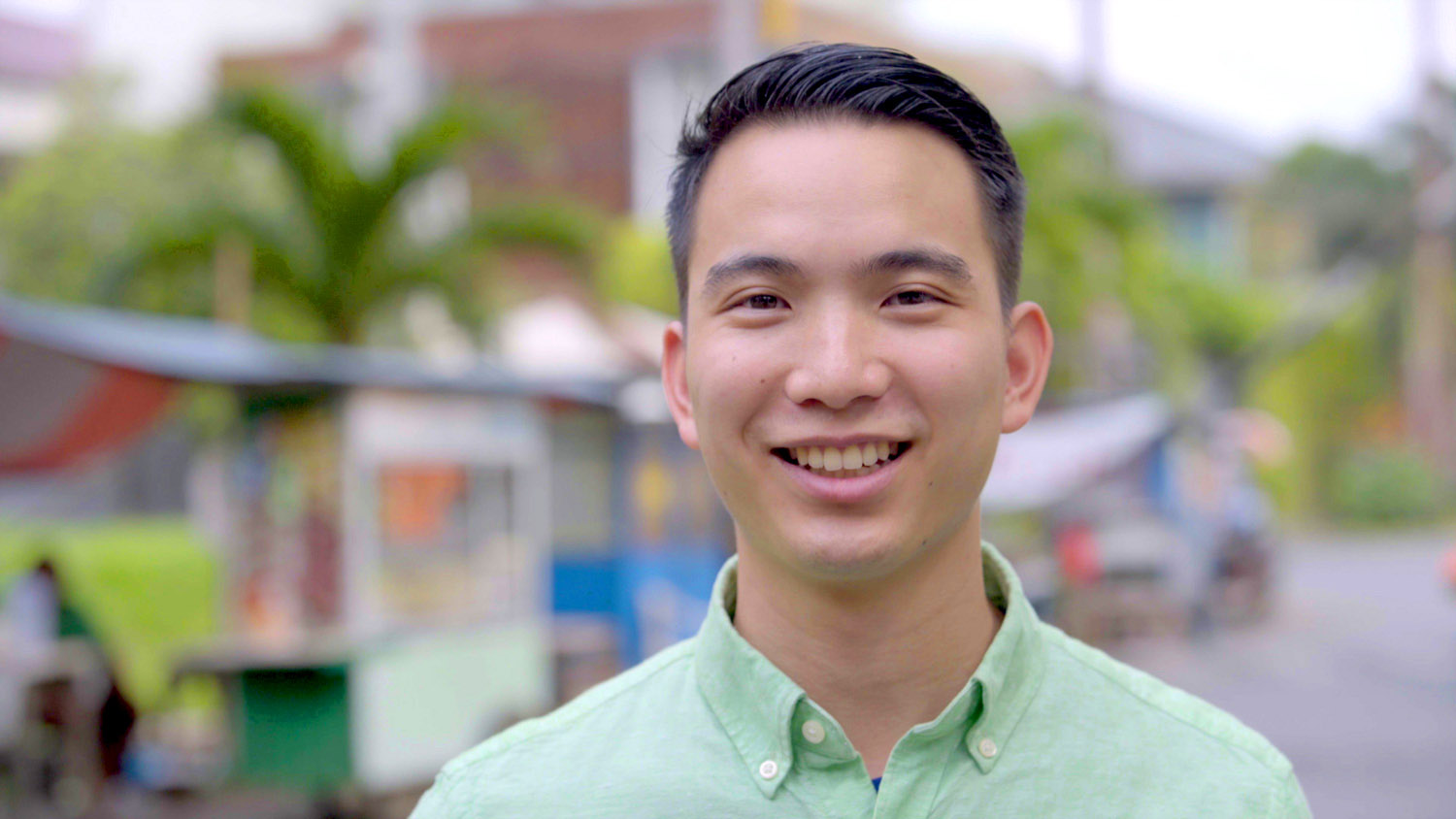
This article is part of Tech in Asia’s partnership with Speak Up Asia where we publish the revised transcripts from the show’s podcast interviews with Asian entrepreneurs. This is heavily revised from the original transcripts. For the full interview, go here.
Moses Lo is the founder of Xendit, an Indonesian finance company that helps facilitate payments through mobile devices. Here, we’ll talk about what he learned working in Silicon Valley and the struggles and rewards of being the first Indonesian startup to be accepted into the Y Combinator program.
How did you get into entrepreneurship?
My dad is an entrepreneur. He bought a business in Australia that was about to go bankrupt and turned it around. That changed our family’s livelihood.
I saw the transformation and benefit from entrepreneurship, and it’s always been in my blood since. I needed to beat my dad, so I had to find something that was going to be bigger and better.
I couldn’t do it in Australia because Australia just doesn’t have enough of a tech scene, so I wanted to go to the US. I went to the US and that gave me the opportunity to build a Silicon Valley-style startup.
Why Silicon Valley? And how was it for you there?
For me it was like, “OK Australia, you have great people, but there’s a brain drain.” The best Australians leave, and typically if you’re in the tech world, you leave for America. I had to go discover why. So, MBA was this chance to be in Silicon Valley for two years and discover what I needed to do.
The first thing that investors always talk about is the team. So, I spent the first year just looking for people.
I was a bit too methodical. I had an Excel spreadsheet of everyone I met, my thoughts on compatibility ratings—that kind of thing. It ended up being much easier to find the co-founders I ended up founding Xendit with. I didn’t need all those formulas; I just needed a dinner or two.
Having an MBA at Berkeley was all about being exposed to the Valley, discovering how Valley companies do it, what’s so special about them, and then finding the founders I could build something with.
But what surprised me were the paradigm shifts I had to adapt to. For example, one of the guys who helped teach an entrepreneurship class there had 20 or 30 years at Bessemer Venture Capital. He opened the India office and was on the Forbes Midas List five times. I went to him with some ideas, but about five minutes in, he just said—in a very nice way—“Moses, shut up. If your idea is not worth a billion dollars, don’t come talking to me about it.”
He’s actually much kinder than the way I remember it, but this told me a few things. It was like my brain needed to shift from how to make an impact at the million-dollar level to how to make an impact at the billion-dollar level.
My dreams were not big enough, and he was kind of guiding me saying, “The fact that you’re now in the Valley, the fact that you’re here at Cal, means that you can be the kind of person who builds a billion-dollar company.” It was extremely empowering and humbling at the same time.
So that’s one example of why the Valley is special: because it takes a certain kind of person to think that they can change the world, but those are the ones who actually can.
What was the catalyst that pushed you to create your company?
What was it like being the first Indonesian company in Y Combinator?
What kind of things did you learn at Y Combinator?
Was it challenging at all when you came back to Indonesia?





Stay updated on the go with our mobile app.
Get latest insights with smoother, more personalized experience through TIA mobile app.