 Karen Chiu · · 3 min read
Even prisons accept mobile payments in China’s cashless society
To read more news from Tech in Asia, sign up for our daily newsletter here.
You’re an inmate at a Beijing prison. You run out of toothpaste, so you decide to buy a new tube at the commissary. But wait, you don’t have enough cash.
Fear not. There might be money in your electronic wallet.
Digital payment is ubiquitous in China, especially now that the technology is (literally) going behind bars, forming part of the Beijing government’s plan to build what it calls a “smart prison.”
Using Alibaba’s payment app Alipay, family members can now pass money to a prisoner. First, they take a photo of the inmate’s national ID card. Once it’s verified, the inmate can receive a maximum of 1,000 yuan (around US$147) each month from a relative.
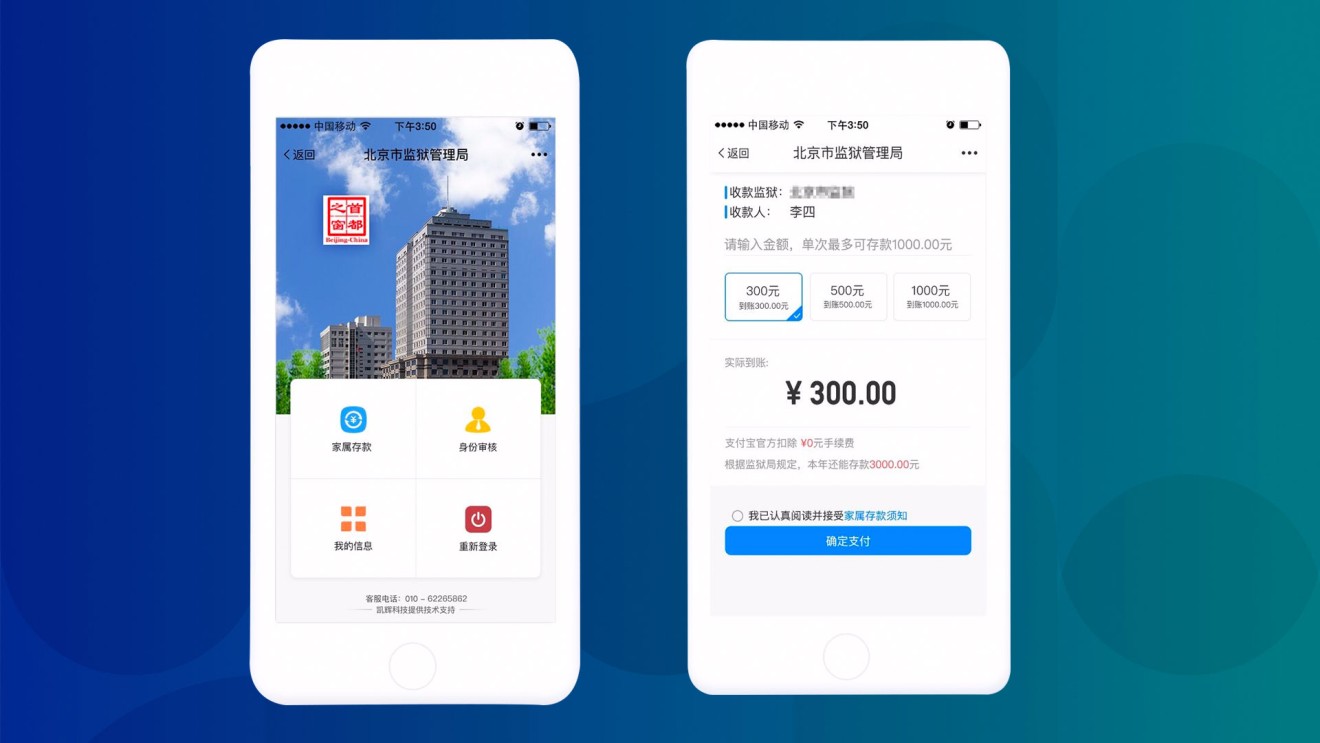
The Beijing Municipal Prison says online payment is available on ecommerce platforms and through medical services in its facilities. / Photo credit: Beijing Municipal Prison
For better or worse, the proliferation of smartphones and apps has provided security agencies with new tools to do their jobs.
Beijing’s citizens, for example, can pay traffic fines with Alipay or WeChat Pay. Offenders only have to scan a QR code on their traffic tickets. For bikers and jaywalkers who are caught red-handed, they even have the option to pay on the spot by scanning a QR code provided by the officer – perfect for those who are in a rush.
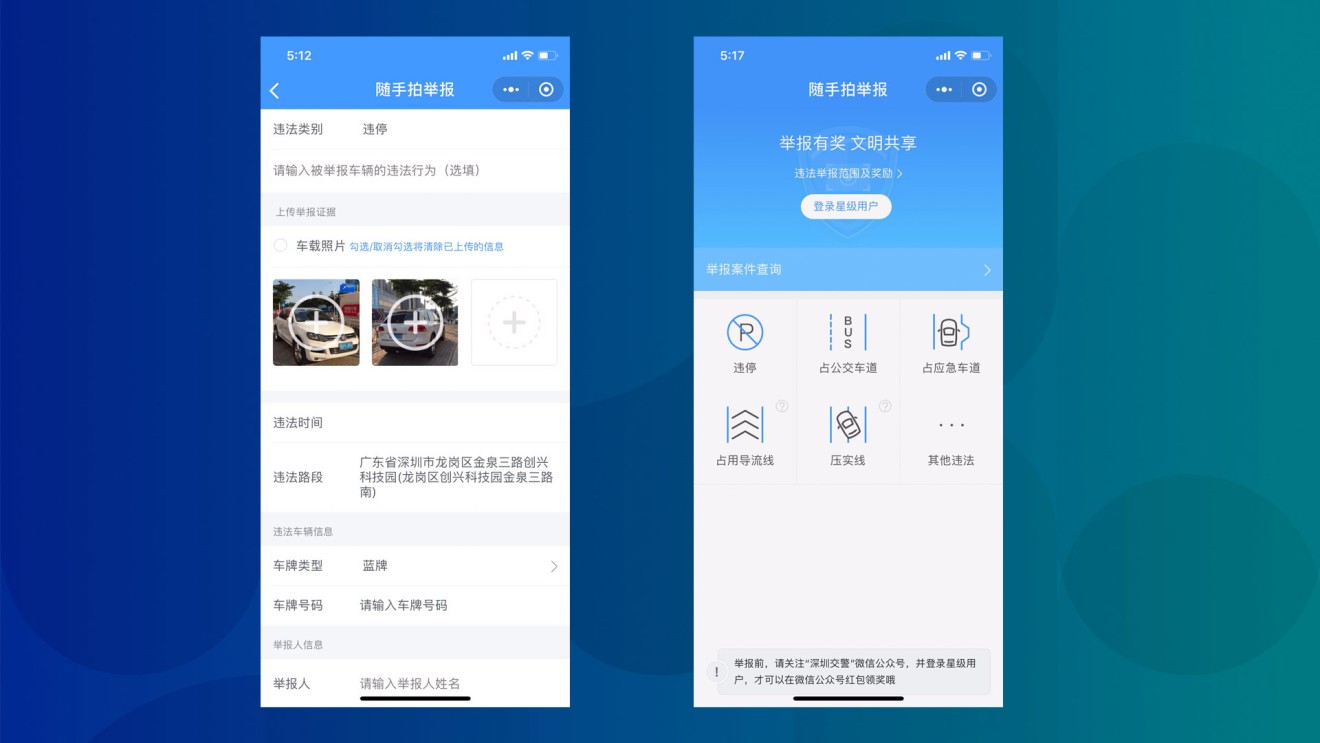
Smartphones are also giving private citizens an easier way to participate in policing themselves. In the southern tech hub of Shenzhen and other cities, people can report traffic violations to police through Alipay and WeChat.
Informants are asked to fill out a form and provide information such as the car plate of the offending vehicle and photos of the scene. Users are required to grant the app access to their GPS location.
For all that work, the Shenzhen Traffic Police say they will reward money to successful informants. The amount ranges from 20 yuan (US$2.96) – for reporting on someone driving on a lane reserved for public vehicles – to 20,000 yuan (US$2,957) – for a serious car crash involving more than three deaths.





Stay updated on the go with our mobile app.
Get latest insights with smoother, more personalized experience through TIA mobile app.










📅 Upcoming Events
22 October 2026
Payoneer x CSPN Summit 2026