Stefanie Yeo · · 4 min read
Pop Quiz: Navigating Asia’s crypto regulation landscape (and why these rules matter)

The past year has been a challenging one for the Web3 scene, to say the least.
Global venture funding into Web3 startups dropped by 76% year on year in the second quarter of 2023. Events such as Terra’s crash, Three Arrows Capital’s liquidation, and FTX’s collapse sent shockwaves through the sector.

Photo credit: Hasbi Sahin / Shutterstock
These incidents have shone the spotlight on regulations in the industry, highlighting the importance of having better rules and protections in place.
In this regard, Asia has been at the forefront of digital asset regulation, which means that Web3 firms looking to tap into its markets will have to play by a more stringent and advanced set of rules.
As Asia works to enact better frameworks around digital assets, let’s put your knowledge of its countries’ crypto regulations to the test:
I’ve got new rules, I’ve got them
How did you fare? Whether or not you’re an expert on these rules, you’ve probably realized that there are lots of different regulations across the various markets in Asia – and this is a good thing.
“A clear regulatory framework does a number of things,” says Yam Ki Chan, vice president of strategy and policy at Circle, the firm behind the stablecoin USDC. In his view, having regulations in place creates an environment for these digital assets to go mainstream.
“First and foremost, you put in place the appropriate consumer and investor protections, which is important if you want to get mass adoption,” he explains. “Second, recognition of these assets by regulatory bodies allows traditional companies, especially publicly listed ones, to hold on to these assets, transfer them, and even pay with them.”
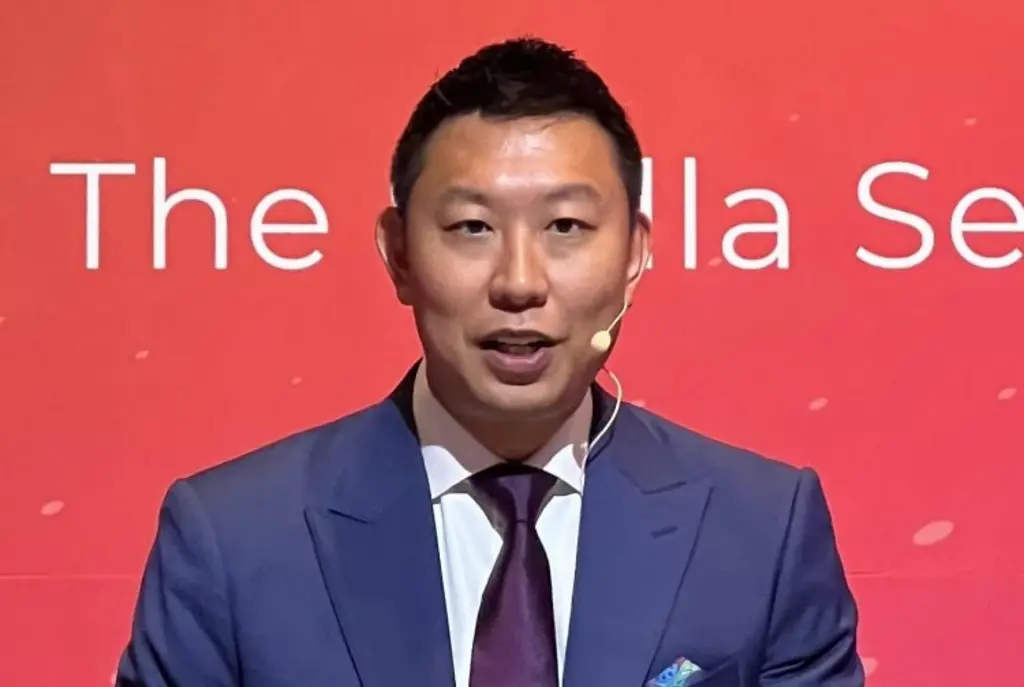
Yam Ki Chan, vice president of strategy and policy at Circle / Photo credit: Circle
Crypto firms also benefit from having a clear framework to work with instead of existing in a regulatory limbo, allowing them to plan for the long term and strike up partnerships with institutional players.
This clarity lays the foundations for the “transformative potential” of Web3 to take shape – for example, the use of stablecoins to change the way Asia moves its money.
“The economic opportunity around cross-border payments, trade financing, and remittances is enormous,” says Chan. Unlike places such as Europe, where trade is usually settled in a single currency, businesses and consumers in Asia often operate across multiple denominations, leading them to lose money in foreign exchange fees, time, and working capital.
This can be addressed by stablecoins, which would create the right rails to drive more efficient transactions across different markets.
Additionally, Asia is already in a prime position to lead the Web3 charge, and having the right regulations in place would enable that growth. According to Chan, Asia’s tech-savvy and largely young population as well as its growing tech talent are laying the foundations for Web3 champions to emerge.

Photo credit: Shutterstock
“What I’m hearing from policymakers today is that with this new development of Web3, you can rewrite the rules of who can be leaders in the space,” he shares. “There’s no reason why Asia-based businesses can’t be a serious player in this arena.”
It helps that Asian regulators are forward-looking. Case in point: Asia implemented real-time payments systems, such as India’s United Payments Interface and Singapore’s PayNow, ahead of other markets like the European Union and the US.
“All of these were led by regulators,” Chan remarks. “The regulators here are actually quite forward-leaning – they are constructive, and they are trying to find ways to advance and grow the economy.”
To a bigger and better future
Chan envisions that all these regulations will help create an environment where people would be able to “move money at the speed of the internet,” just like sending an email, without having to think about specific cryptocurrencies or stablecoins.
This aligns with Circle’s goal of improving financial access for everyone through its services.
“When we get to that state, we expect to see increased economic opportunity for businesses, for people to have more money in their pocket from remittances,” he says. “If we’re able to do that and increase the economic pie for people in Asia, then we’ve done something good.”
To that end, the firm has begun some trials in a number of Asian markets, such as partnering with Grab to pilot a blockchain-enabled wallet. It’s also working with Taiwan FamilyMart and BitoGroup in Taiwan on a “points-to-crypto” loyalty program, as well as with Coins.ph in the Philippines to lower the cost of remittances through USDC.
And all this is just the tip of the iceberg on what Web3 could achieve.
“Think about Web2 – people needed to come together to define standard protocols, processes, and systems for us to have the world wide web as we know it today.” Chan points out. “It’s part of how we work, fit, and create new technologies that are going to truly cross borders.”
As Web3 takes flight, Asia will serve as a model for Web3 regulation around the globe, driving growth in the sector.
“Regulations provide scalability, interoperability, and resilience to build something new,” Chan says.
Circle is evolving finance with USDC, a regulated and fully reserved digital currency pegged to the US dollar.
Follow Circle on LinkedIn to stay updated on its journey.
This content was produced by Tech in Asia Studios, which connects brands with Asia’s tech community. Learn more about partnering with Tech in Asia Studios.
Stay updated on the go with our mobile app.
Get latest insights with smoother, more personalized experience through TIA mobile app.
Recommended reads
 Who pays for AI in your language?
 MoneySmart grows revenue by 26% in 2025, but AI threatens margins
 The truth about AI language models: No one wants to pay for them
 Tracking AI hiring in Singapore: OpenAI, Anthropic, and more
 Korea’s physical AI ambitions meet the factory’s bottom line
 SEA financials tracker: Moladin’s revenue rises 6% in 2025
 On‑demand services lift Line Man Wongnai’s 2025 revenue to $544m
 Flipkart’s costly late push into quick commerce and food delivery
 Inside Singapore’s government team that kills its own products
 Once an IPO hopeful, SCI Ecommerce nears collapse





Editing by Jonathan Chew and Lorenzo Kyle Subido
(And yes, we’re serious about ethics and transparency. More information here.)