- Premium Content It takes our newsroom weeks - if not months - to investigate and produce stories for our premium content. You can’t find them anywhere else.
 Melissa Goh · · 10 min read
For PM Wong, sustaining SG’s position as top tech hub calls for tough choices
Singapore welcomed its fourth prime minister, Lawrence Wong, on May 15 – 20 years after the last change of guard.
In his first speech following the inauguration, Wong listed several priorities for his government, including adapting the city-state to a new world order, ensuring that its people keep pace with technological advancements, and strengthening the social compact.
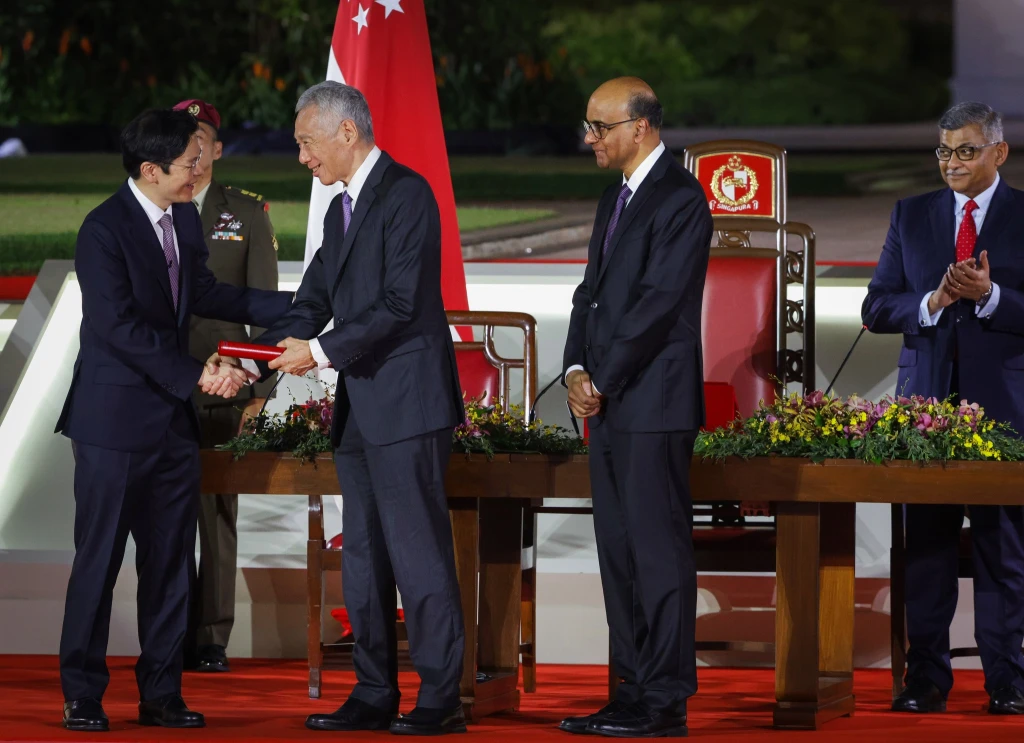
Singapore Prime Minister Lawrence Wong was sworn in on May 15, 2024. / Photo credit: Ministry of Communications and Information
Founders, investors, and academics also have their own wishlist. They say that the new leadership must also consider how Singapore can maintain its competitive edge, sustain its attractiveness as a destination for capital and talent amid the rising cost of living, and potentially rethink manpower policies that have made it difficult for many tech startups to hire and sustain growth.
Many of these decisions, though, involve difficult trade-offs that Wong and his cabinet will have to agonize over.
The thorny issue of talent
Singapore ranked eighth on a global list of startup ecosystems in 2023, hailed for having a high concentration of billion-dollar companies and its connectivity to the world. In 2022, an index released by the Asian Development Bank said that Singapore had the world’s best digital environment and support system for entrepreneurs.
The city-state’s stellar scores on countless global rankings, however, can mask deeper issues.
The shortage of talent has been “a bottleneck” for companies, Mohammad Sherafatmand, CEO and founder of deeptech firm Hydroleap, tells Tech in Asia.
The shortfall has been particularly acute in areas requiring technical and operational expertise, he notes. His startup, which uses electrochemical techniques to treat industrial wastewater, can “barely find” automation engineers in Singapore. And even when it does, hiring locals is extremely expensive.
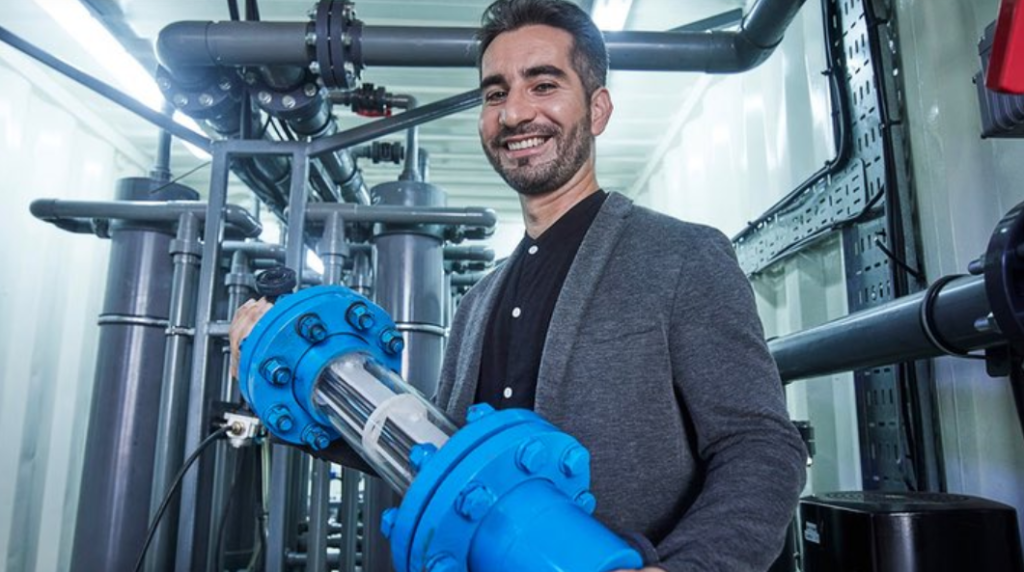
Hydroleap founder and CEO Mohammad Sherafatmand / Photo credit: Hydroleap
Hiring a foreigner from another country for the same role, however, would entail applying for an employment pass (EP), which comes with a minimum qualifying salary of S$5,000 (US$3,700). That number will go up to S$5,600 (US$4,200) by January 2025, when new guidelines are implemented.
This policy, however, might not be politically easy to reverse.
By raising minimum salary requirements for foreign professionals, the government had hoped to incentivize firms to prioritize hiring locals amid public discontent over perceived competition for job opportunities stemming from an influx of foreigners.
High costs pricing out skilled labor
A fast-eroding competitive edge
The remarkable success of Singapore Inc.
Making a dent in deep tech
Winning games
Stay ahead in Asia’s tech landscape
This is premium content. Subscribe to read the full story.
Founders and investors fret over rising costs, talent shortage, and an eroding competitive edge. Tackling each of these issues has trade-offs.
We know this is not ideal. ⌛ Sign up in 20 seconds. Cancel anytime.
Our subscriber community includes professionals from these companies:





Stay updated on the go with our mobile app.
Get latest insights with smoother, more personalized experience through TIA mobile app.