- Premium Content It takes our newsroom weeks - if not months - to investigate and produce stories for our premium content. You can’t find them anywhere else.
 Samreen Ahmad · · 8 min read
The Pinduoduo model takes hold in India
Growing up in the small town of Gaya in India, I have memories from my childhood of how shopping was a social affair for us. This was in the 1990s when ecommerce was nothing but a fantasy and names such as Amazon and Flipkart did not exist in the country.
When there were celebrations and festivals, shopping was the most important part. It meant my family members and I had to squeeze into our white Maruti Omni van – a popular family car in Indian households at that time – to go to our favorite apparel shop, Roopam. The store would give us heavy discounts since my family and our neighbors would bulk our orders together.
The same was true for daily essentials – my extended family would shop together at the neighborhood mom and pop store for a better price. We also chose to buy from these particular shops, as we trusted the shopkeepers for quality products.
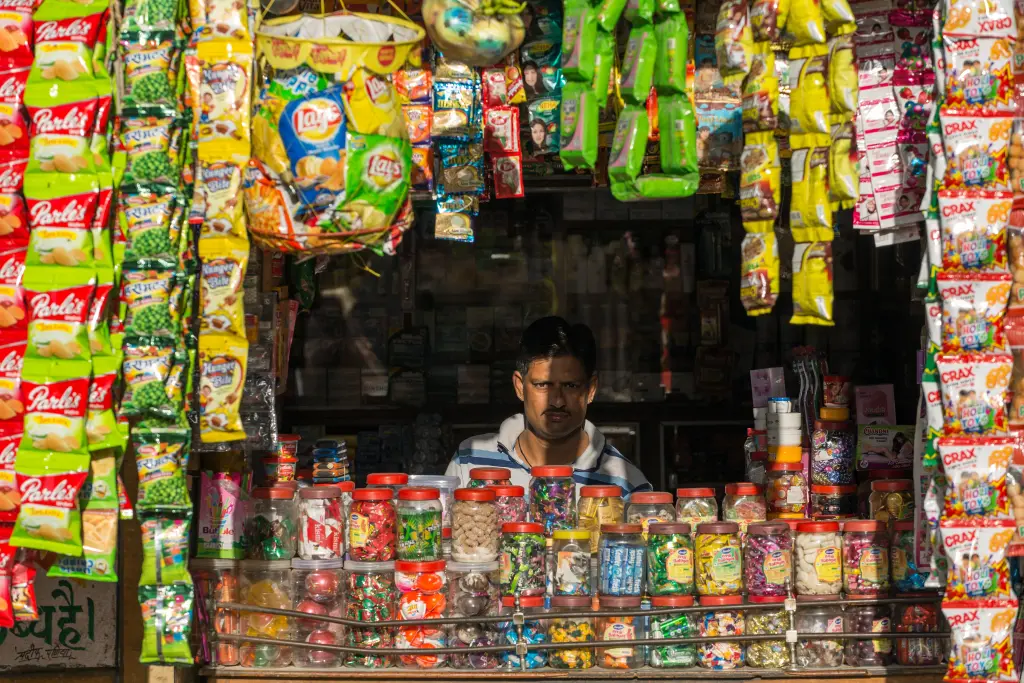
Photo credit: 123rf
Twenty years later, trust is still a relevant factor while shopping in India. As ecommerce makes inroads in the country’s rural villages, especially after the Covid-19 pandemic entered the scene, shopping in small towns continues to be largely based on social recommendations.
The next wave of consumers in India, made up of the 400 million first-time online customers from Tier 2 and Tier 3 towns, will still shop based on this principle, said Roshan Farhan, founder and CEO of social commerce startup Gobillion, citing its own internal research.
Eyeing this potential customer base, Gobillion is translating the real-world shopping experience to an online one. Backed by Y Combinator, Gobillion supports a group-buying model similar to Chinese social commerce major Pinduoduo, where customers can form teams with their friends and family to buy items together online, building trust through community engagement and saving money in the process.
“These customers [from small towns] wanted access to a social buying experience and lower prices, and they weren’t being served. We believe this is an important and useful problem to solve,” Brad Flora, group partner at Y Combinator, tells Tech in Asia.
Gobillion’s journey started last year, when then management consultant Farhan called up his childhood friend Kulapradip Bharali, who is a fitness enthusiast, to ask for his recommendation on the best health supplements to use. While Farhan had browsed several ecommerce platforms, Bharali’s opinion mattered to him.
This compelled the duo to start thinking about the buying behavior of people from places outside major cities.
Pinning hope on the Pinduoduo model
Gobillion, which was officially launched in February this year, is seeing a 70% increase in its customer base month on month purely through word of mouth, its founders share. At the core of the company lies the Pinduoduo model.
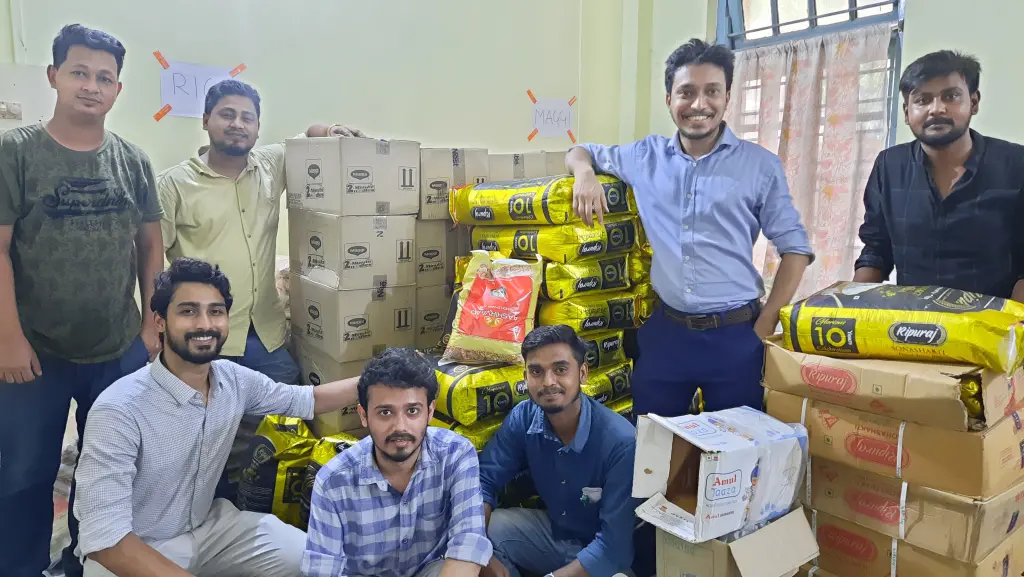
Team Gobillion is applying Pinduoduo’s group-buying experience for groceries in India / Photo credit: Gobillion
The Chinese social commerce giant became the second-largest ecommerce platform – just behind Alibaba – in China in just six years. Pinduoduo has a market cap of US$119 billion with an active buyer base of 824 million as of March 2021.
The shapes and sizes of Indian social commerce
Beyond the metro areas
Gobillion’s future plans
Stay ahead in Asia’s tech landscape
This is premium content. Subscribe to read the full story.
Y Combinator-backed Gobillion has taken a page out of Pinduoduo to encourage group buying in rural towns in India.
We know this is not ideal. ⌛ Sign up in 20 seconds. Cancel anytime.
Our subscriber community includes professionals from these companies:





Stay updated on the go with our mobile app.
Get latest insights with smoother, more personalized experience through TIA mobile app.