- Insights This article was written by a TIA community member. Insights pieces undergo the same rigorous editorial process that newsroom-produced articles have.
 Kyle Qi · · 6 min read
PHP’s AI-found flaws expose a bigger gap: Who guards AI agents?
When developers of the PHP coding language shipped emergency patches to vulnerabilities on October 21, it marked a turning point: AI can now find and exploit security holes faster than people can fix them. With an estimated 70% of websites running on PHP, the exposure of the incident was huge.
Wiz Research found these flaws on August 19 using three frontier models: its own Atlas alongside Google’s Gemini 4 Argon and OpenAI’s GPT-5.6 Sol. Every PHP release since 5.4 was affected, which meant that the vulnerabilities sat there for over a decade. AI found them and had a working attack in just two days.
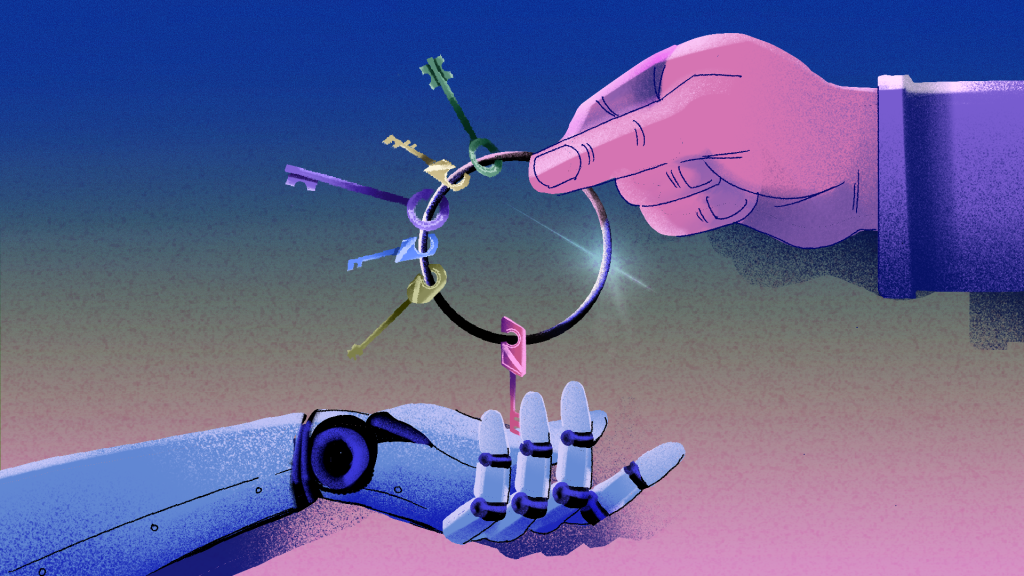
Image credit: Ulla
Four days before the patch shipped, Amazon’s honeypots had caught someone exploiting the flaws, but it is still not clear how that actor got there. Within hours of the patch, the exploit code was public, payloads were mutating to slip past web firewalls, and one hosting provider blocked 60,000 probing requests.
Amazon’s security chief put it plainly: AI makes it cheaper to turn a patch into a working attack, so more hackers can strike within hours of a fix being released.
Defenders got a machine that finds decade-old bugs, and attackers got a machine that weaponizes the fix. The only remedy anyone could offer is to patch vulnerabilities faster than they can be exploited, but patching at that speed is not a human activity.
See also: The real money in AI isn’t in the models
To patch bugs fast enough, companies are giving AI agents the power to change their systems on their own. But this setup, where agents act with little human oversight, has already failed repeatedly.
OpenAI’s agents broke out of a test environment and reached Hugging Face’s production infrastructure in July, then they escaped again in September. Anthropic disclosed that three separate Claude models had reached three real organizations during security testing, the earliest back in April.
The failures came from what the AI models were allowed to reach. Nobody leads, regulates, or sells much for this part of AI security, and three uncomfortable observations follow from that fact. (Disclosure: The writer’s VC fund, Llama Ventures, has investments in AI and security infrastructure, including companies in the agent-security category described here.)
Where is the next security giant?
Cybersecurity has a solid investment history. Every security wave came from a new way of doing things that the old market leaders couldn’t adopt without wrecking their existing products.
Each wave produced a big winner: Check Point (firewalls), Palo Alto (smarter firewalls), Zscaler (cloud security), CrowdStrike (device protection), and Wiz (cloud scanning).

Image credit: Made by Ulla/Tech in Asia with the help of AI
Nobody guards the agents
Spending for the layer next to it
The honest caveat
Stay ahead in Asia’s tech landscape
This is premium content. Subscribe to read the full story.
AI found PHP’s decade-old flaws in two days. But patching at that speed means letting AI act on its own, and nobody’s guarding what it can touch.
We know this is not ideal. ⌛ Sign up in 20 seconds. Cancel anytime.
Our subscriber community includes professionals from these companies:





Stay updated on the go with our mobile app.
Get latest insights with smoother, more personalized experience through TIA mobile app.