 Steven Millward · · 4 min read
Right place at the right time: how two Australians created China’s most perfect startup
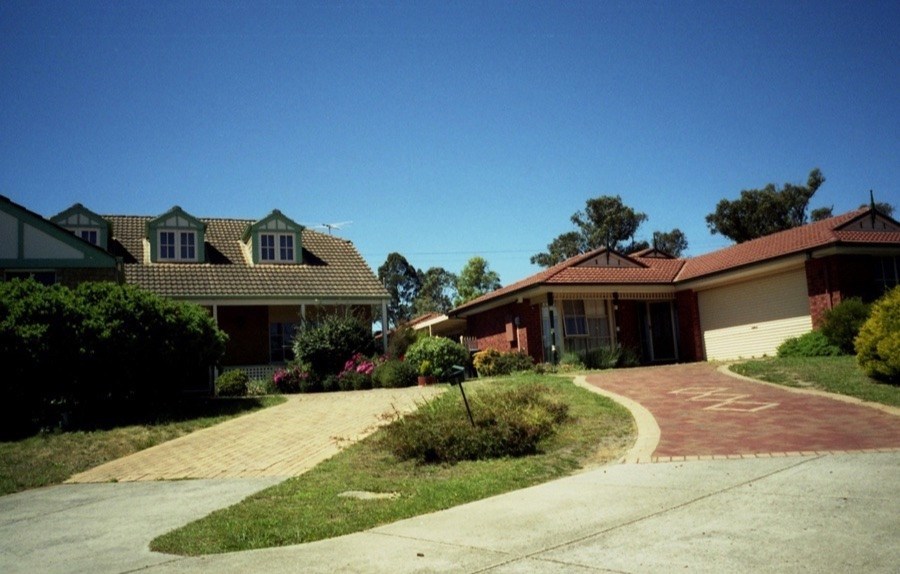
Homes in Melbourne, Australia. Photo credit: Ikue.
Middle-class and wealthier Chinese have been snapping up billions of dollars worth of overseas property in the last few years. It’s still a growing trend. In the first six months of this year, Chinese people invested US$5.4 billion in property outside of their own nation. Those numbers from real estate services firm Jones Lang LaSalle found that US$1.4 billion of that figure was ploughed into private residences. Those homes away from home are now big business, and one startup saw it all coming and how perfect an opportunity it would be.
That site, Juwai, was founded by two Australians – a bit of a rarity for China’s startup landscape. Started up in 2011, it arrived in the right place at the right time to ride atop this property boom.
Simon Henry, the co-CEO of Juwai (pictured below), explains to Tech in Asia that the idea was formed from something overheard on the street in Hong Kong:
“My co-founder and co-CEO, Andrew Taylor, was working in Hong Kong and liked to explore the city on the weekends. He kept hearing a new dialect, Mandarin, and realized that large numbers of [mainland] Chinese were buying property in Hong Kong. He asked himself, Hong Kong is only so big, so where will these buyers go next? That’s when he realized the potential for an international property portal for Chinese buyers. At that time, Chinese investment in overseas real estate was still very small. It has since grown very quickly.”
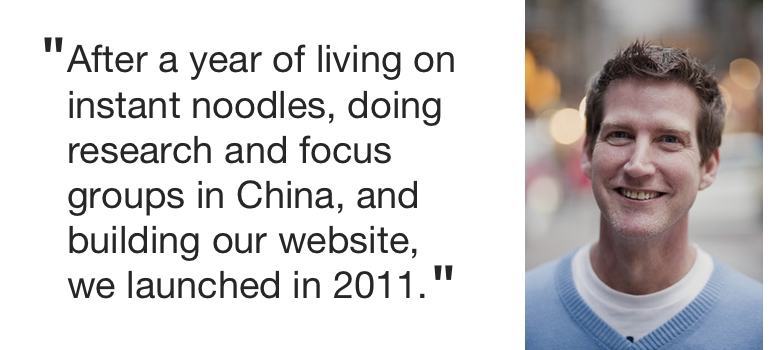
Henry says that the rush for overseas homes isn’t that unusual, in that Chinese people with a decent amount of money in the bank or some other investments simply have “the same desires as buyers from other countries.”
He adds: “They are either going for a lifestyle benefit or to diversify with stable long-term investments in other locations. Many Chinese buyers feel like they are building a legacy for generations of their family members to enjoy it in the future.”
Others say that different factors come into play. CNBC recently called the flight from China, along with a great deal of assets, “the largest and most rapid wealth migrations of our time.” China’s wealthy now have an estimated US$450 billion stashed in offshore assets. The homes are simply the most visible aspect of that outflow. Some shady factors might also be in play, such as corrupt businesspeople or officials moving their loot out of the country before they get caught in an ongoing clampdown on government graft. But for other Chinese nationals, it’s all quite innocent – it’s a chance to leave to a country with cleaner air and a better quality of life. Australia, Canada, the US, and the UK are top destinations.
“We survey every buyer and they tell us they are motivated by lifestyle, investment, and their children’s education, as well as emigration,” explains Henry.
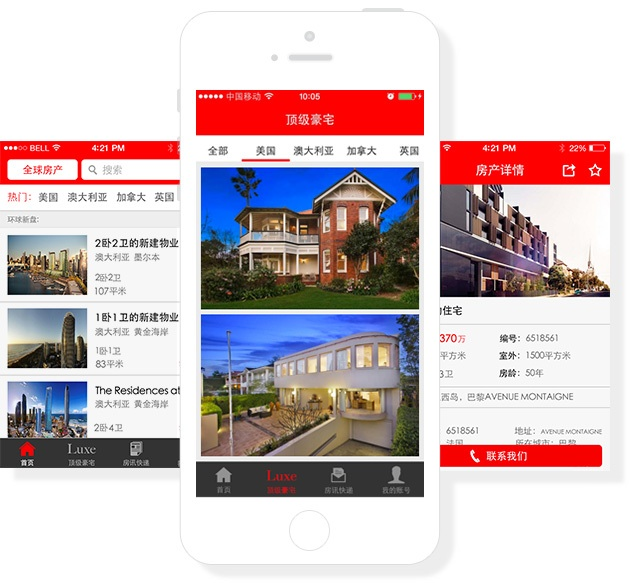
The Juwai boss believes that the anti-corruption drive will not slow the growth in overseas homes. “At the same time China has been clamping down on corruption, it has been loosening up its capital controls. So, you have observers like the Bank of England saying that Chinese investments overseas could triple over the next several years. As a result, we are not seeing Chinese buying overseas slow down, but increase.”





Stay updated on the go with our mobile app.
Get latest insights with smoother, more personalized experience through TIA mobile app.









📅 Upcoming Events
22 October 2026
Payoneer x CSPN Summit 2026