- Insights This article was written by a TIA community member. Insights pieces undergo the same rigorous editorial process that newsroom-produced articles have.
 Shekhar Tripathi · · 6 min read
Another reason to consider South Korea’s ‘creative economy’
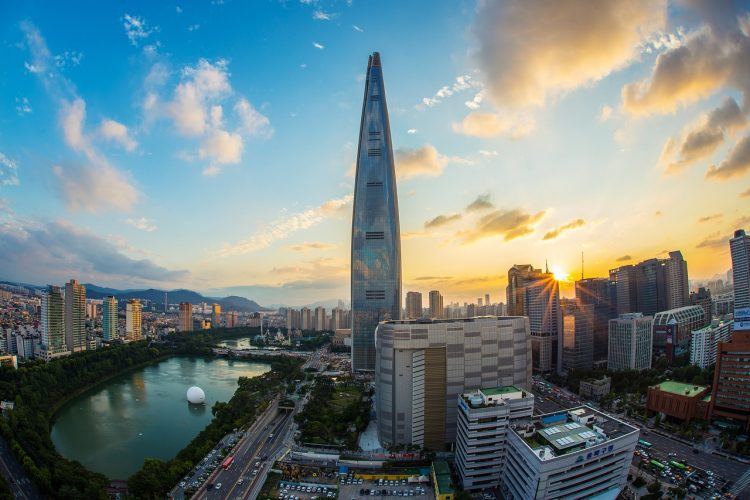
Photo credit: Zjaaosldk.
Proudly wearing T-shirts emblazoned with their company logo, motivated by an enthusiastic ambition of changing the world, and renouncing the “established way,” Korean entrepreneurs have joined the global startup tribe. Just like the fabled hwarang warriors of third-century Korea, these entrepreneurs, who are the modern-day warriors, have a vision to create a better world.

Photo credit: Tech for Korea.
While South Korea does not appear in headlines as much as VC markets like India, China, and Singapore, the global investment community cannot afford to underestimate the lucrative opportunity the country offers.
Over the past year, I have been an active participant in various South Korea-focused investment events, including Softwave and Invest Korea, which have all played an active role in putting the focus on the country’s innovative and active tech startup scene. Here’s what I learned:
- There is strong government support for entrepreneurs in the core tech sectors.
- The propensity of Korean entrepreneurs to take risks is increasing, leading to more young people wanting to start their own businesses or work for an early-stage company.
- An advanced technology infrastructure, in addition to the strong cultural focus on higher education, has created a deep technology talent pool.
- The technological depth of entrepreneurs needs to be augmented with management expertise to help with commercialization. Function-specific and sector-targeted accelerators and incubators could help fill this gap.

Building a future from the successes of the past
South Korea attributes much of its economic success to its chaebols or conglomerates. Groups like Hyundai and Samsung have played a pivotal role in helping develop the country to become a leading powerhouse in automotive, consumer electronics, applied materials, and other high-tech sectors. These companies have created the technical and management depth needed to scale their businesses in Asia and around the world.
The Asian financial crisis in 1997 resulted in a significant reduction in the number and scale of chaebols. While some companies managed to sustain themselves and even thrive in the modern integrated economy, new entrants in emerging sectors are facing a gap in the market.
The Korean government has stepped up by putting significant focus on developing a “creative economy” with an objective of making South Korea one of the top seven countries in the world for startups. Multiple startup and investment events are being organized all over the country to promote this vision.
Korea Trade-Investment Promotion Agency (KOTRA) has taken the lead. (I have had the privilege to attend and contribute to the most recent event in Singapore which showcased top Korean startups to leading investors.) The government has launched an initiative of setting up 17 government-mandated, conglomerate-run incubation centers. Spark Labs, in collaboration with chaebol Hanjin that operates Korean Air, has recently launched a government-backed IoT innovation center, which aims to build the IoT industry in Korea. Large organizations like Korea Telecom and SK Telecom have also been active supporters of the startup ecosystem within and beyond the country.
While, working with large companies is often a lengthy process, startups can significantly benefit from the experience, networks, and capital that these partners bring to the table.
What’s in it for VCs?
Opportunities abound — but some challenges remain





Stay updated on the go with our mobile app.
Get latest insights with smoother, more personalized experience through TIA mobile app.









📅 Upcoming Events
22 October 2026
Payoneer x CSPN Summit 2026