 Samantha Cheh · · 5 min read
The pandemic hit rural SMEs hard. Here’s how Shopee helps them bounce back

When the pandemic upended the Malaysian economy, the impact was especially dire for SMEs, who saw their share of the national gross domestic product decline in 2020 and again in 2021.
This is a worrying development, as SMEs account for 98% of all Malaysian establishments, many of which are located in rural or semi-rural areas.
In general, these small businesses tend to lag behind larger firms in digital transformation, and tech adoption is especially low among rural entrepreneurs due to a lack of internet infrastructure, key talent, and hardware. With 60 million new consumers coming online thanks to the pandemic, these SMEs need to pick up digitalization in order to survive.
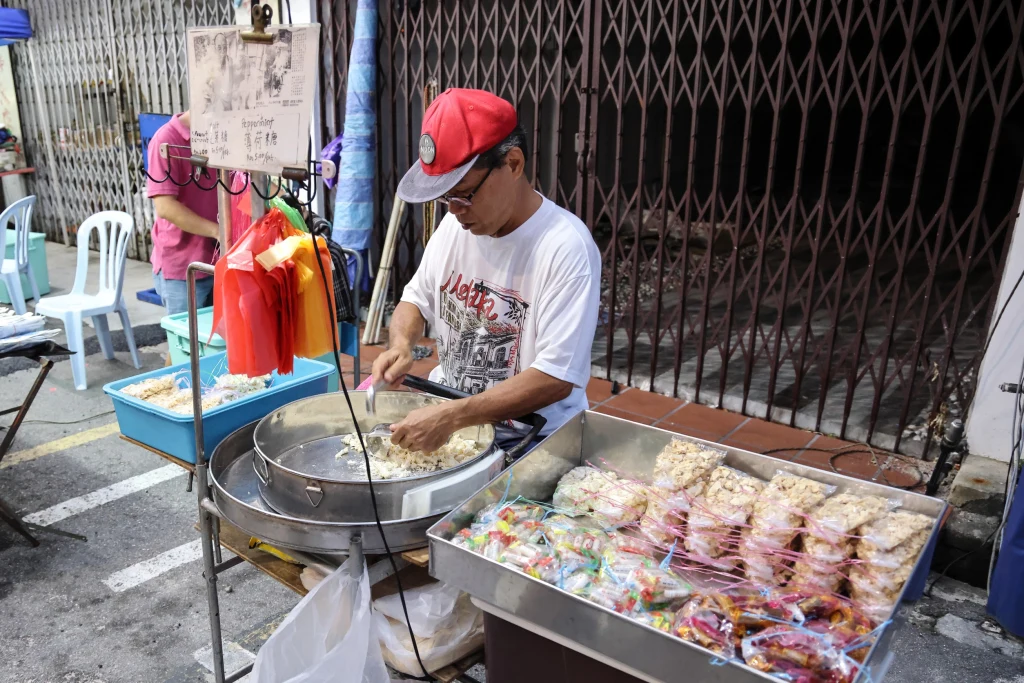
Photo credit: oqba / 123RF
All of this has created a digital divide that has only widened with the pandemic, an issue that the government is addressing with a 21 billion ringgit (US$4.7 billion) investment and a network of IT centers for entrepreneurs to help them access free training and facilities.
The potential that digitization unlocks
Though internet connectivity in the country’s less urban areas is still far from perfect, the pandemic has shown that just having a basic connection could have a transformative effect for entrepreneurs in these locations. Mohd Ghazali, a former teacher from the Sabak Bernam district, is one example.
“During the first lockdown in March 2020, I spent most of my time preparing and conducting home-based teaching and learning,” he recalls.
He began selling his wife’s sambal pecal, a spicy peanut-based sauce, on ecommerce platform Shopee as a way to kill time and earn a little extra income. Previously, she’d only been selling it offline.
Before opening his online store, Mohd Ghazali and his wife struggled, as their reach was limited to how many people he could physically meet, how many jars he could carry, and the cash-only payments he could accept.
All that changed with Shopee: the entrepreneur’s business became much easier to run with digital tools that helped to promote his products, conduct transactions online, and manage logistics.
What started out as a humble venture has since become a thriving online business. He now earns an average of 30,000 ringgit (US$6,740.00) a month and has expanded his product line to include local snacks.
“With digitalization, rural entrepreneurs have the opportunity to bring their products, such as fresh produce or handicrafts, to a wider audience without high costs,” says Kenneth Soh, the head of marketing campaigns for Shopee Malaysia.
Soh adds that SMEs in these areas are often at a bigger disadvantage than their urban counterparts who benefit from more readily accessible internet connections and their technical know-how. Complex and expensive logistics further complicate the matter.
“We want to reduce these barriers and help sellers access the benefits of the digital economy,” says Soh.
Connecting buyers and sellers
Shopee launched in Malaysia in 2015 with the goal of helping sellers connect to more buyers and scale online quickly.
“First-time entrepreneurs can easily open a store on Shopee and manage all aspects of their operations with ease – from deliveries and payments to inventory management and marketing,” says Soh.

Kenneth Soh, head of marketing campaigns for Shopee Malaysia / Photo credit: Shopee
Mohd Ghazali shares that having access to a variety of tools for functions like marketing and logistics at zero cost helped him make the most of his available resources. Meanwhile, the free online classes he attended via Shopee University, a multilingual seller training program, enabled him to increase sales and traffic to his store.
Shopee’s interface is an end-to-end ecosystem with tools and solutions such as livestreaming capabilities and cashback programs. Mohd Ghazali points to features such as Shopee Ads and shipping discounts as key promotional solutions that led to the success of his wife’s sambal pecal business.
“I probably would not have been able to be where I am today without the reach that Shopee is able to provide,” he says.
Putting power back into sellers’ hands
For Khairul Azmi, who is the son of farmers from the small fishing port of Tok Bali, Shopee helped his parents regain control over their lives.
“My mother and stepfather… plant corn and sweet potatoes and rely on middlemen to collect the produce to sell in Cameron Highlands,” he says. “We had no control over the price of produce, as that’s usually determined by the middlemen.”
When Covid-19 hit, Khairul’s parents saw their incomes dwindle as the brokers they worked with shuttered operations or demanded steep discounts.
“I decided to help by setting up a Shopee store to directly sell to consumers,” he says. “It wasn’t difficult, very little tech knowledge is required – it’s like setting up a social media account.”
From his home in Kuala Lumpur, Khairul could remotely manage his parents’ orders and marketing initiatives.
“Whenever I receive an order, Shopee’s platform auto-generates an airway bill which I send to my family through WhatsApp,” he explains. “They then print it out, harvest the produce, pack, and ship out within 24 hours.”
By cutting out the go-between, Khairul says his parents sold their entire stock within two months, collecting 100% of the proceeds.
“We gained more autonomy and control over the way we run our business,” he says.
Supporting the community
The success of Mohd Ghazali’s sambal pecal store has enabled him to support not just his children but also local farmers whose livelihoods were affected by the pandemic.
“I purchase an average of 400 kilograms of produce from farmers in my village every week at a slightly higher price to help them increase their revenue,” he says.

Mohd Ghazali Anuar runs a store on Shopee selling a peanut-based sauce / Photo credit: Shopee
His earnings have also enabled him to employ underprivileged workers as a way of giving back to his community.
“It’s not much, but it helps,” he says. “When you help others grow, you will receive blessings.”
Mohd Ghazali’s story shows how important SMEs are to the continued recovery and growth of the overall Malaysian economy. When rural entrepreneurs are supported, there are both tangible and intangible knock-on effects.
Similarly for Khairul, his parents’ store has helped spread the word of the quality of Tok Bali corn.
“The most popular corn in the market is from Cameron Highlands, but most people don’t know that there aren’t many corn plantations there,” he says. “Most of the time, that corn was purchased in Tok Bali.”
“Maybe now there will be more support given to farmers there.”
Shopee is the leading ecommerce platform in Southeast Asia and Taiwan, where customers and merchants are connected in an ecosystem for an easy and secure online shopping experience. Shopee is committed to supporting rural entrepreneurs in Malaysia by providing them with the tools and services they need to scale and succeed.
To find out more about how Shopee can support your entrepreneurial journey, click on this link.
This content was produced by Tech in Asia Studios, which connects brands with Asia’s tech community. Learn more about partnering with Tech in Asia Studios.
Stay updated on the go with our mobile app.
Get latest insights with smoother, more personalized experience through TIA mobile app.
Recommended reads
 Amazon India begins laying off 1,000 staff
 Baby steps: Why Indonesia’s parenting market is drawing investors’ eyes
 Amazon and Salesforce to cut 25,000 staff in total
 Ex-Ovo execs’ insurtech firm pivots to project management, lending
 Indonesia’s FDA to Halodoc: Take down listings of prohibited drugs
 Alibaba-backed Pakistani ecommerce firm to slash 11% of headcount
 Carousell names Ox Street founder as head of luxury
 Sociolla CEO to step down
 Indonesian regulator holds e-pharmacies responsible for selling restricted drugs
 The World Bank bets on blockchain to fix the carbon market





Editing by Winston Zhang, Nathaniel Fetalvero, and Jaclyn Tiu
(And yes, we’re serious about ethics and transparency. More information here.)





📅 Upcoming Events
22 October 2026
Payoneer x CSPN Summit 2026