This article summarizes an episode of Sequoia Capital’s video series featuring Palo Alto Networks CEO Nikesh Arora.
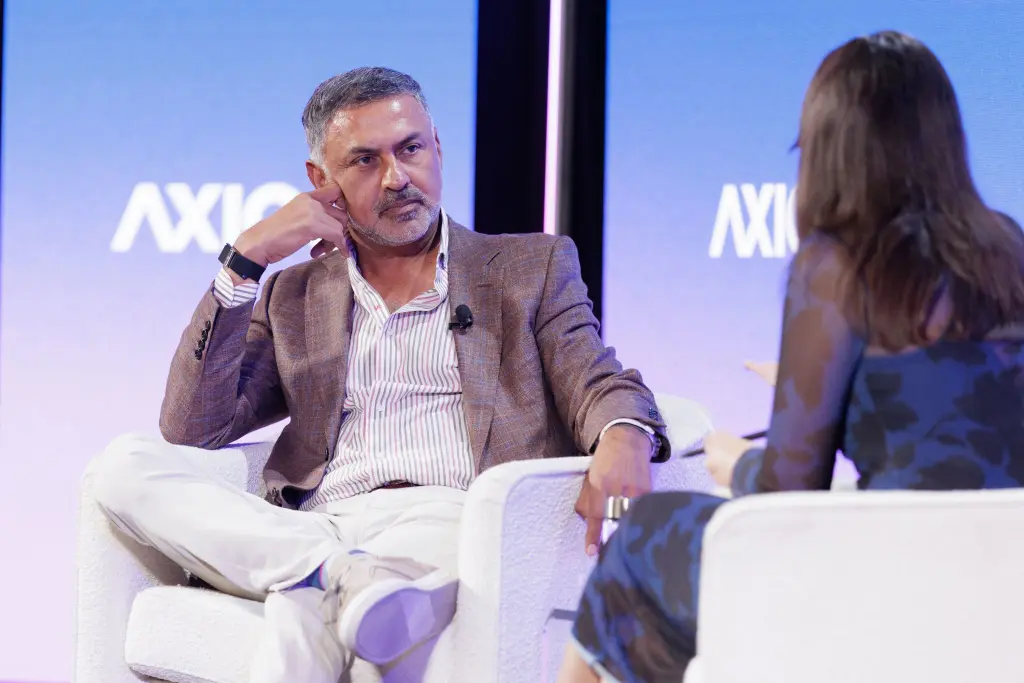
Nikesh Arora, CEO of Palo Alto Networks/ Photo credit: Palo Alto Networks
Nikesh Arora, CEO of Palo Alto Networks, knows that most tech acquisitions fail. Employees leave, momentum slows down under company rules, and the acquired company loses what made it work. His solution flips the usual power structure in acquisitions to keep employees and help the company’s system grow faster.
A different way to buy companies
This plan is not just an idea. Arora has used it in over 25 acquisitions to add new companies and make them long-term sources of growth for his security system.
- Put founders in charge: Founders proved they could move faster and make better decisions with fewer resources. They should lead the acquired team, not report to an internal manager.
- Speed up their plan: The first step is to remove company slowdowns, which often means giving them more engineers to help them move faster.
- Plan the product’s future together: The integration plan and the product’s long-term direction must be agreed on before the acquisition closes. This alignment is a condition of the deal.
- Change how founders are paid: Founders return up to half of their existing equity over three years. In exchange, they receive a new, larger equity package tied to future performance.
Giving up control
In a typical acquisition, the buyer’s managers take over the startup’s team. Arora argues this almost guarantees failure.
Arora says, “These guys kicked our ass in the market with fewer resources and moved faster than us. So they must know things better than us. So they have to come and run this instead of our people. The founders become the bosses of our people.”
New ways to motivate founders
Keeping founders motivated after an acquisition is a core challenge. Once their equity turns into cash, the urgency and drive that built the company can fade.
Arora explains the stock plan, “We tell the founder, we’re buying your company. You have to unvest half your stock [over] three years. But we will top it off between 25 and 40% … So, we’ll give more equity to them. That’s the only time I can give them tremendous amounts of equity because [it’s] part of a structured deal.”
The problem with small updates
Arora’s acquisition strategy was not just about growth. It was designed to fix structural problems in how his company built products.
Agree before you sign
Fights after a merger often come from product disagreements that appear after the deal is signed. To avoid this, Arora makes the shared product plan a required step of the review process.
Arora notes, “We design an agreed product roadmap before we sign the final terms. If you don’t agree, the good news is you don’t have to sell to me.”
When work is not progress
In an early product review after he became CEO, an engineer showed Arora a list of 60 new features. Arora saw this as a challenge. He argued that if the product team could not remember the list, the sales team would not be able to explain it to customers.
Arora challenged the engineer, “Is that going to help you sell more firewalls? … How the hell are my sales people going to learn 60 new features which are going to be for free?”
Why listening to customers can be a mistake
Why a founder’s idea is most important





Stay updated on the go with our mobile app.
Get latest insights with smoother, more personalized experience through TIA mobile app.