 Osman Husain · · 13 min read
Pakistan doesn’t want to be left behind in the Uber revolution

To say that ridesharing and taxi startups are doing well in Asia would be a massive understatement. GrabTaxi, the undisputed leader in Southeast Asia, has achieved unicorn status despite only being in operation for a little over three years. With over 3.8 million mobile app users and 75,000 taxis on the streets, the startup has well and truly arrived. In China, local startup Didi Kuaidi is estimated to churn out approximately 3 million rides every single day. There’s a similar battle in India, where Uber, Ola, and TaxiForSure are locked in a dead heat against each other.
Venture capital firms haven’t been afraid in backing these on-demand transport startups to the hilt either. Uber is valued at US$50 billion, despite rumors of bleeding losses and negative cash flow. GrabTaxi secured US$250 million in series D funding late last year to continue its aggressive expansion plans. And, in India, Uber seems to be determined to improve its image and swat away competition by announcing plans to invest US$1 billion in the country.
Investors are clamoring to back these startups while the general public happily try out new ways of getting around.
Getting ripped off
It’s easy to credit the traction witnessed by ridesharing startups to a wider view of the efficiency and efficacy of the sharing economy. While this is precisely what made Uber so disruptive in Western markets, Asia is a totally different beast altogether. GrabTaxi and Didi Kuaidi do not depend on the peer-to-peer model for their supply of cars; instead they tap into existing cab drivers and convince them to use their app to find customers.
Obviously, this requires massive amounts of fieldwork as well as monetary incentives for cabbies, but it’s clear the efforts are paying off. Part of the reason local startups have been able to beat Uber at its own game has been their willingness to get their hands dirty and lock in supply. Uber’s reluctance to localize its model hasn’t helped either.
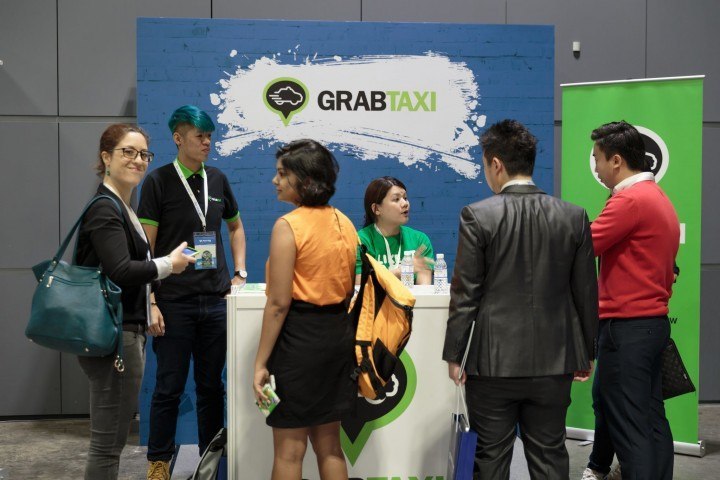
It’s also fair to say taxi services in most of Asia are unreliable, inefficient, and borderline risky. Metered cabs are few and far between, with drivers preferring to set pre-determined, often exorbitant rates instead. Cars are usually not maintained very well, and the experience can be fraught with risk, especially for women and disorientated tourists.
That’s a big part of the reason why Anthony Tan, GrabTaxi’s founder and CEO, chose to build an on-demand taxi app. “We started GrabTaxi because the taxi system in Malaysia was a mess. Drivers weren’t making enough money and hated their jobs. Women couldn’t go around safely. We needed to do something about it,” he explained to Tech in Asia earlier this year.
GrabTaxi is now expanding fast across the region. It’s not hard to see why people need it. First, consumers were aware that startups like GrabTaxi would only accept drivers into their database after strict background and verification checks. They felt safe and comfortable. Drivers understood they would be tracked through GPS and therefore forced to be on their best behavior.
Second, rates were pre-determined and set by the company, and not based on the individual whims of the driver. Consumers had choice in payment options, with both cash and credit cards accepted. Most importantly, however, startups harnessed the power of the internet to break down barriers to information. They created direct links between demand and supply, and provided a monitoring system which, although Orwellian, ensured complete transparency. The model worked.
Pakistan rolls in
All this talk of on-demand transport in Asia usually centers on markets like China, India, Indonesia, or Singapore.
Pakistan, however, is not on the map.
Grassroots growth
Stuck in traffic
Trust is hard (and expensive)
Culture and technology adoption
The tuk-tuk problem





Stay updated on the go with our mobile app.
Get latest insights with smoother, more personalized experience through TIA mobile app.










📅 Upcoming Events
22 October 2026
Payoneer x CSPN Summit 2026