 Osman Husain · · 5 min read
In Pakistan, a startup helps people beat energy shortages with solar panels
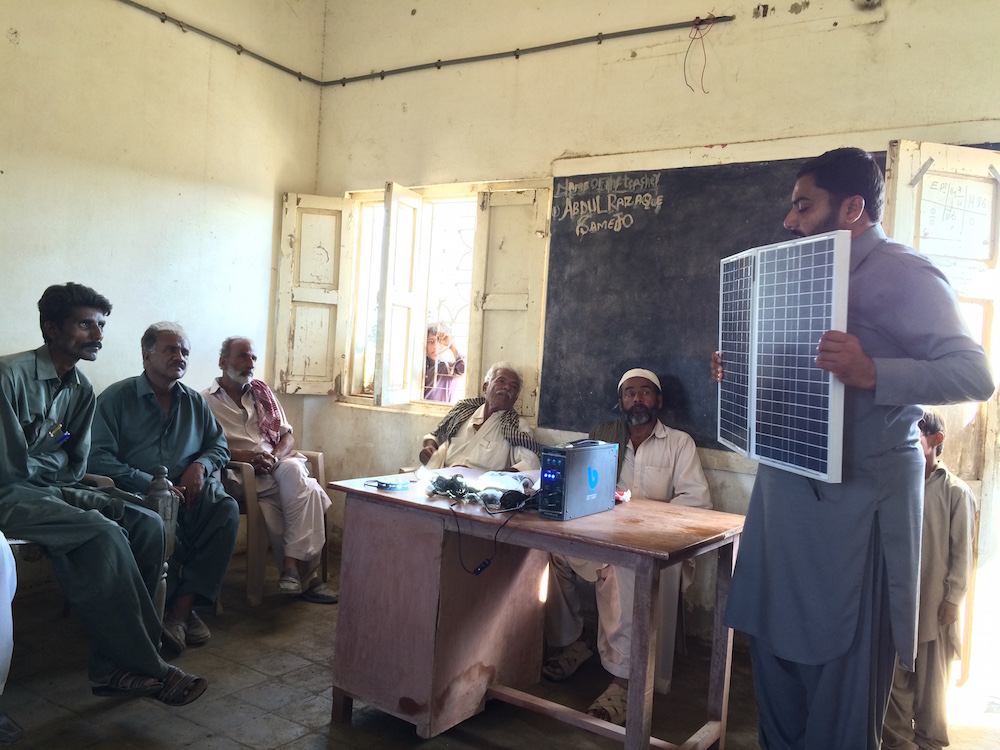
Crippling power shortages leading to lengthy outages are commonplace in Pakistan. With the government struggling to modernize antiquated infrastructure, people and businesses can face up to 16 hours daily of no electricity supply, especially during the brutally hot summer. Life comes to a screeching halt as small retailers, cottage industries, and households are unable to afford alternative sources of power generation.
Policy experts have estimated that Pakistan will require approximately US$20 billion of investment in the power sector to meet forecasted demand by the year 2020. This figure does not include the money required to address issues such as line losses, wastage, and theft – which are all shockingly high. Simply put, the problems are endemic and solutions are few and far between.
Unfortunately for those at the margins of society, this problem is much worse. Rural communities are almost completely ignored by utilities companies as the spread-out population makes it unfeasible to justify the high cost of investing into the provision of electricity. Faced with a severe paucity of funds, the Pakistani administration has prioritized upgrading power supply for urban and semi-urban areas, leaving people in the rest of the nation to fend for themselves.
Lights out
Life for the vast majority of the un-connected rural populace ends after sunset. People are unable to watch television, study, visit relatives, or even maintain small businesses such as restaurants and tea stalls. The predominance of subsistence-based agriculture means that families are unlikely to go hungry, but opportunities for socioeconomic advancement are out of the question.
For Jeremy Higgs, co-founder of Pakistan-based startup Eco Energy Finance, this conundrum presented an opportunity. Passionate about social entrepreneurship, Jeremy has prior experience in the country managing the Network of Organizations Working with People with Disabilities, which worked towards training disabled people with a view to help them gain employment or start their own business. In 2012, Jeremy founded the green-tech business along with Shazia Khan with the aim to provide “solar energy for poverty alleviation and a sustainable future.”
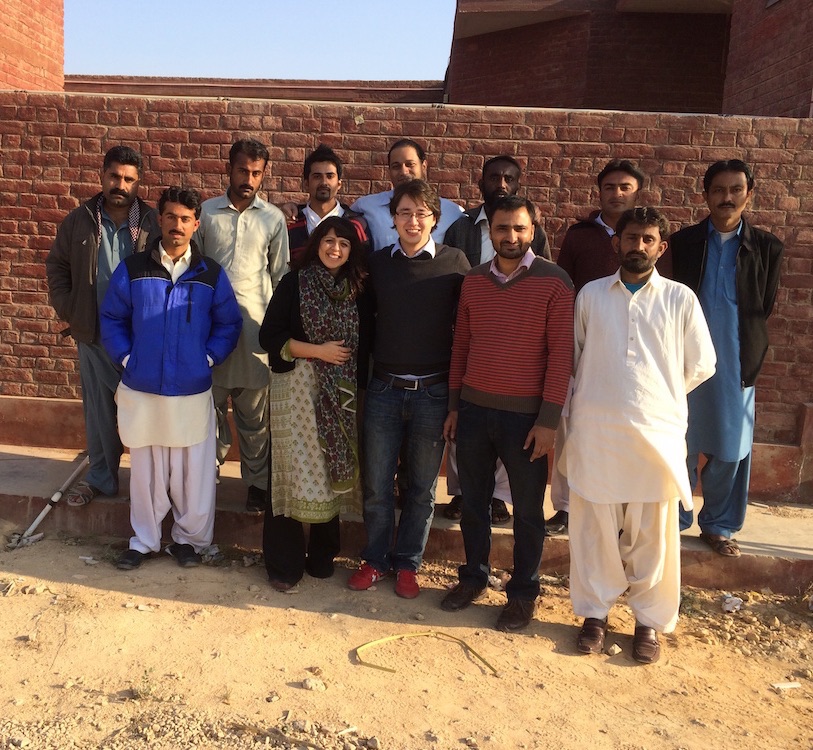
The Eco Energy Finance team.
Initial funding for Eco Energy Finance came in the form of a US$200,000 grant from the GSM Association Innovation Fund and some private donors which helped the duo to hire a team and source their initial batch of products – solar lanterns. “Approximately 70 million people in Pakistan are ‘off-grid’, and therefore not covered by the existing system,” explains Higgs. “The opportunity for success is vast, but it is critical to create a model that is both accessible and affordable.”
See: Popinjay dreams of making poverty a thing of the past for Pakistani women
On the grid with solar panels
Higgs and Khan got a chance to refine and focus the business when they were accepted into Invest2Innovate, a four-month startup mentoring program in Lahore that supports early-stage enterprises and helps them scale their ideas. During the incubation process, their model was tweaked, incorporating aspects of technology that would help in remote monitoring of the solar energy devices as well as to gather data and analyze metrics.
Eco Energy Finance offers two products for sale – one is a solar lantern which can either be purchased up front for around US$10, or in four monthly installments of US$3 each. The second is a solar panel, which is also available for either outright purchase or on a monthly installment plan. The panels are sourced directly from British manufacturer BBOXX and come with a two-year warranty. There are no recurring costs.





Stay updated on the go with our mobile app.
Get latest insights with smoother, more personalized experience through TIA mobile app.









📅 Upcoming Events
22 October 2026
Payoneer x CSPN Summit 2026