 Miguel Cordon · · 3 min read
Asia’s agrifood sector needs $800b over the next decade, study finds
An estimated cumulative investment of US$800 billion above existing levels will be needed over the next 10 years to grow Asia’s agrifood industry to a sustainable size, according to a joint report by PricewaterhouseCoopers, Rabobank, and Temasek.
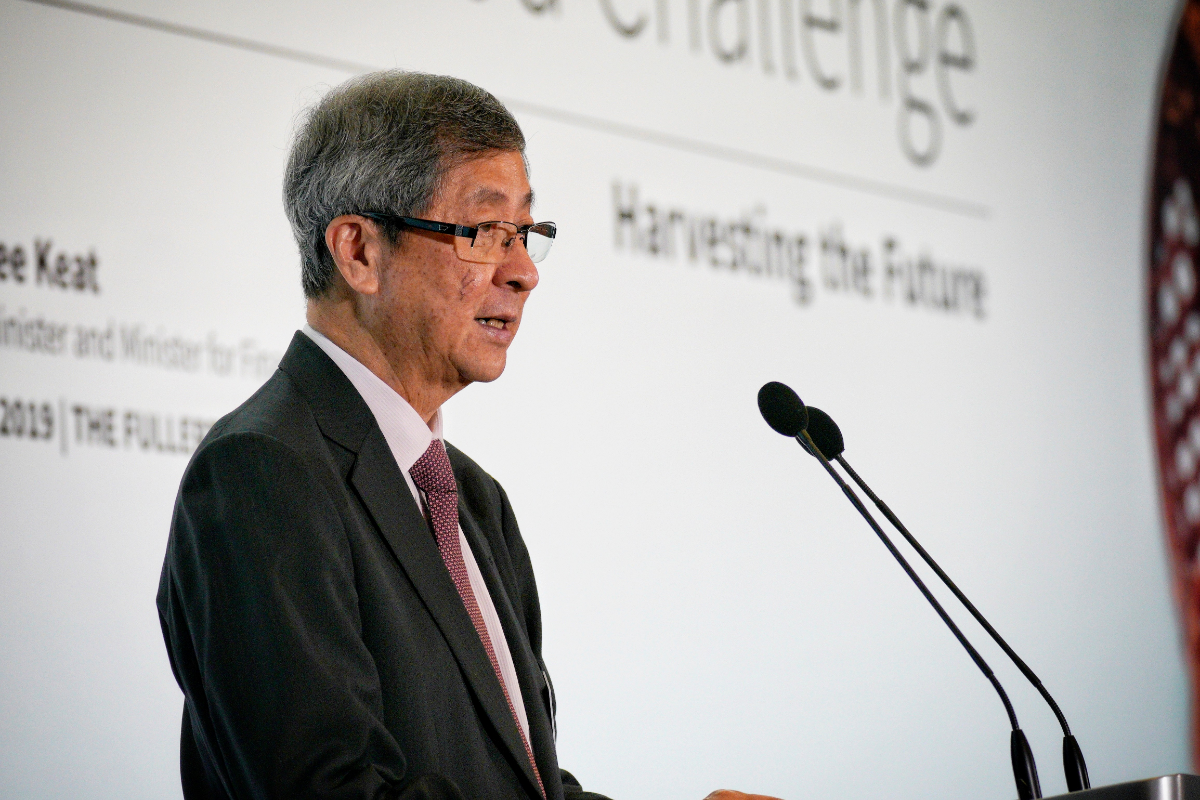
Temasek Holdings chairman Lim Boon Heng speaking at the Asia Food Challenge dinner
Around US$550 billion will be needed to enable key requirements around sustainability, safety, health, and convenience. The remaining US$250 billion will drive increased quantities of food. These numbers imply a total annual investment requirement of US$290 billion in 2030, more than double compared to the current US$130 billion, the Asia Food Challenge Report showed.
The agrifood industry in Asia, however, faces a number of challenges, including changing consumer requirements, climate change and environmental degradation, and population growth, which is projected to reach 250 million by 2030.
The region is also expected to more than double its total spend on food to more than US$8 trillion over the next decade from US$4 trillion in 2019.
The study identifies technology as a critical enabler in meeting the shifting needs of Asia’s agrifood sector. Technologies like big data, robotics, blockchain, internet of things, alternative proteins, and modern aquaculture would help increase yields, reduce waste, and shorten the supply chain, among others.
However, there is a lack of investment in the industry, as investors are still building their understanding of the sector and new technologies, the study found. In addition, the pre-commercial nature of many technologies can lead to longer timelines for returns.
As such, the report showed that Asia is lagging behind its Western peers. Despite its small size, Israel houses over 700 agrifood tech startups. Deals in the country also have a value per capita at around US$20, close to US$24 in the US. By comparison, deals in China have an implied investment per capita of US$2.5, while those in India have US$1.8.
And though global investments in agrifood tech firms have been going up over the years, the bulk of them go to those in the downstream sector.
According to Matilda Ho, founder and managing director of China-based foodtech accelerator VC firm Bits x Bites, more than 80% of investments in food innovation startups have been in downstream, which includes meal delivery and ecommerce firms.
It includes the likes of Alibaba’s Ele.me, which was the most funded Asian agrifood tech firm from 2012 to 2019 after raising a total of US$3.3 billion. India’s Swiggy came in second with roughly US$1.5 billion, followed by China-based fresh food startup Miss Fresh with US$1.4 billion.
“To transform the food system and address its key challenges like protein security, nutrition, and waste, we need to invest in upstream and midstream technologies that can adapt to the needs of the Chinese supply chain,” Ho said.
According to the report, cities like Bangalore, Beijing, Hong Kong, Mumbai, Shanghai, Shenzhen, Singapore, and Tokyo have the potential to become global agrifood powerhouses through positive regulatory environments for startups, a deep pool of investors, and a large amount of talent.
Singapore has already made moves in an effort to become a leader in urban agriculture and aquaculture tech, with plans to open an 18-hectare agrifood innovation park by 2021. Government agencies have also formed the FoodInnovate initiative in 2018 to advance the agrifood sector and strengthen its support structure for startups.





Stay updated on the go with our mobile app.
Get latest insights with smoother, more personalized experience through TIA mobile app.











📅 Upcoming Events
22 October 2026
Payoneer x CSPN Summit 2026