This article summarizes an episode of a16z’s video series featuring Travis Kalanick, founder and CEO of Atoms.
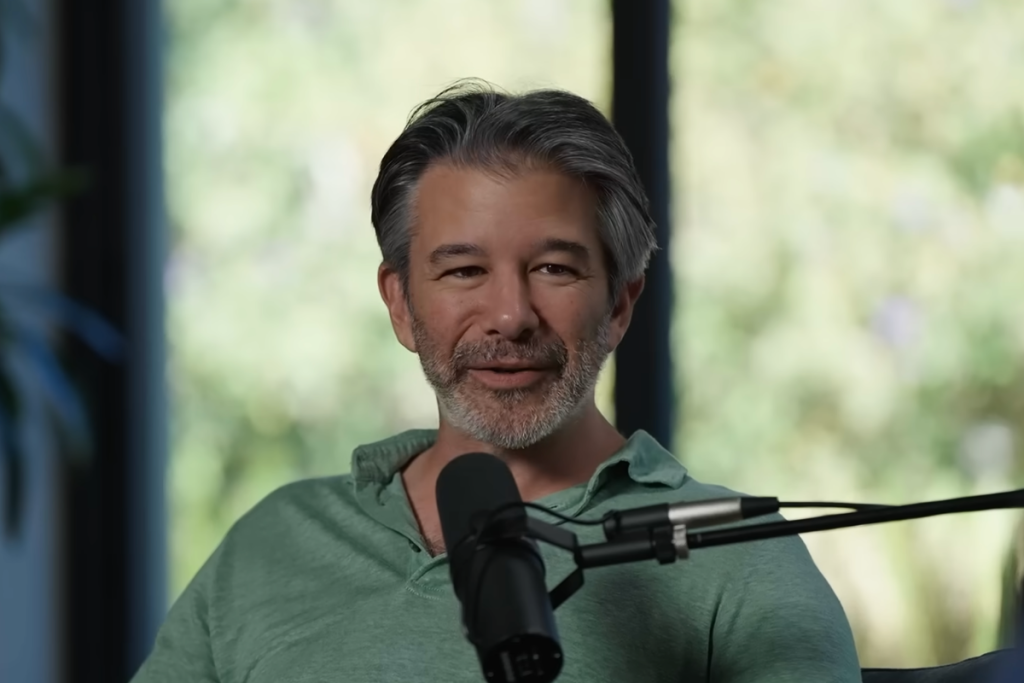
Travis Kalanick, founder and CEO of Atoms / Photo credit: a16z
AI in physical industries is limited by physical assets, not software. These assets must be rebuilt to work like computer hardware.
Travis Kalanick, CEO of Atoms, a company building automated physical infrastructure, and founder of Uber, argues that automation requires companies to own and manage their physical infrastructure.
Turning buildings and logistics into networks is a key way to generate the data AI needs to improve operations.
Redesigning physical assets as hardware
Translating industrial work into a digital framework demands that executives rethink physical infrastructure.
Kalanick views this operational shift as a design necessity, explaining that “a CPU manipulates bits. What manipulates atoms? Manufacturing. Storage stores bits. What stores atoms? Real estate.”
This computing perspective changes the sequence for building an industrial business:
- Hardware first: Design physical workflows to run like a computer system before selecting software.
- Asset ownership: Control buildings and equipment to ensure operations yield reliable data.
- Cross-disciplinary teams: Force physical workers to learn basic computer science while developers gather real-world training metrics.
AI breaks traditional kitchen economics
Applying this computing logic to food delivery reveals a path to profitability:
- Consolidate dispatch spaces: House cooking and delivery routing in the same building to eliminate logistical delays.
- Deploy automated preparation: Utilize robots for standardized food assembly to reduce human labor expenses.
- Transition to self-driving delivery: Manage fleets of autonomous machines to drop courier costs from US$12 per order down to US$1.
Relying on this dense network of shared spaces removes the staffing challenges that plague current platforms like CloudKitchens.





Stay updated on the go with our mobile app.
Get latest insights with smoother, more personalized experience through TIA mobile app.